Kalshi Rolls Out New Safeguards After Insider Trading Concerns Hit Prediction Markets
Kalshi's new rules force traders to disclose their employers before trading high-risk markets flagged for insider trading or manipulation.
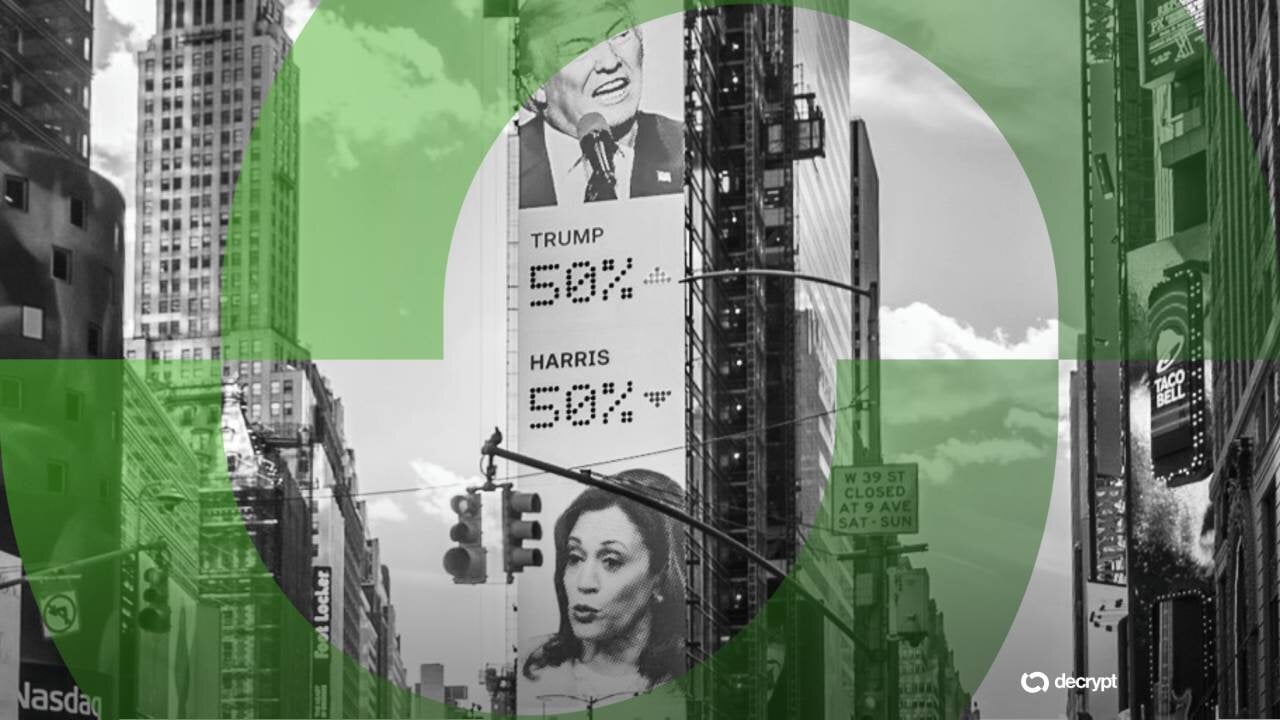
Kalshi's new rules force traders to disclose their employers before trading high-risk markets flagged for insider trading or manipulation. This repor
Read Full Story at Decrypt →Why This Matters
Prediction markets like Kalshi operate in a regulatory gray area where financial speculation collides with public interest, making transparency a critical safeguard. The new disclosure rules signal a shift toward treating these platforms more like traditional financial markets, where conflicts of interest can undermine integrity.
Background Context
Prediction markets have long flown under the radar, operating as niche platforms where users bet on geopolitical events, election outcomes, and corporate milestones. Unlike stock markets, they’ve lacked robust oversight, leaving gaps for manipulation—especially when traders hold insider knowledge of the events they’re betting on.
What Happens Next
If these safeguards prove effective, regulators may pressure other prediction markets to adopt similar rules, potentially accelerating pressure for broader oversight. But enforcement will be the real test—will disclosures deter bad actors, or will loopholes persist in an already opaque system?
Bigger Picture
This reflects a growing trend of financialization in speculative markets, where even non-traditional platforms face scrutiny akin to Wall Street. As prediction markets gain traction, they’re increasingly caught between innovation and the need for regulatory guardrails.




