Kosovo holds third election in 16 months
Kosovo is holding an early parliamentary election called after the previous parliament was unable to elect a president by a March deadline. The election is the third in 16 months , with the unstable…
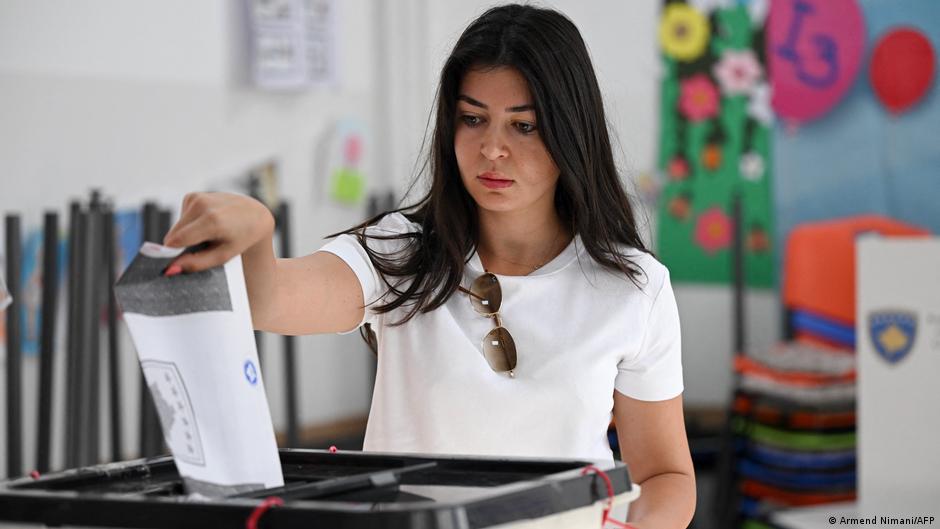
Kosovo is holding an early parliamentary election called after the previous parliament was unable to elect a president by a March deadline. The elect
Read Full Story at DW World →Why This Matters
Kosovo’s repeated elections underscore a systemic failure to resolve its political deadlock, signaling deeper institutional fragility that risks undermining its Euro-Atlantic integration. The inability to elect a president—despite multiple attempts—reflects not just partisan gridlock but also the erosion of public trust in governance mechanisms designed to bridge ethnic divides. For a country aspiring to EU membership, these repeated electoral cycles risk stalling reforms and emboldening nationalist factions.
Background Context
Since declaring independence from Serbia in 2008, Kosovo has operated under a political system that requires cross-community consensus, particularly for presidential elections. The latest impasse stems from disputes between the ruling Vetevendosje party, which seeks to assert sovereignty over Serbia’s claims, and opposition groups that demand concessions, including the normalization of relations with Belgrade. The constitutional requirement to elect a president by March—a largely ceremonial role but symbolically critical—has become a flashpoint for these tensions.
What Happens Next
The outcome of this election could determine whether Kosovo’s political class finally breaks the cycle of instability or doubles down on polarization. If no coalition emerges with a clear mandate, pressure may mount for constitutional reforms to streamline presidential elections. Meanwhile, international actors, including the EU and U.S., may intensify mediation efforts to prevent further backsliding. Watch for shifts in voter turnout among Kosovo’s Serb minority, whose participation could tilt the balance.
Bigger Picture
Kosovo’s electoral turmoil mirrors broader challenges in post-conflict democracies, where institutional weaknesses and ethnic divisions often outlast formal peace agreements. The repeated failures to form a stable government highlight how unresolved sovereignty disputes—like Kosovo’s recognition dilemma—can cripple even well-intentioned governance structures. As global attention shifts to Ukraine and the Western Balkans’ EU accession, Kosovo’s crisis serves as a cautionary tale about the costs of prolonged political limbo.






