Kosovo PM wins snap vote, but with no majority
Kosovo Prime Minister Albin Kurti 's Vetevendosje party on Sunday won the most votes in a snap election, yet failed to secure enough votes to govern alone. Results from almost all polling statio…
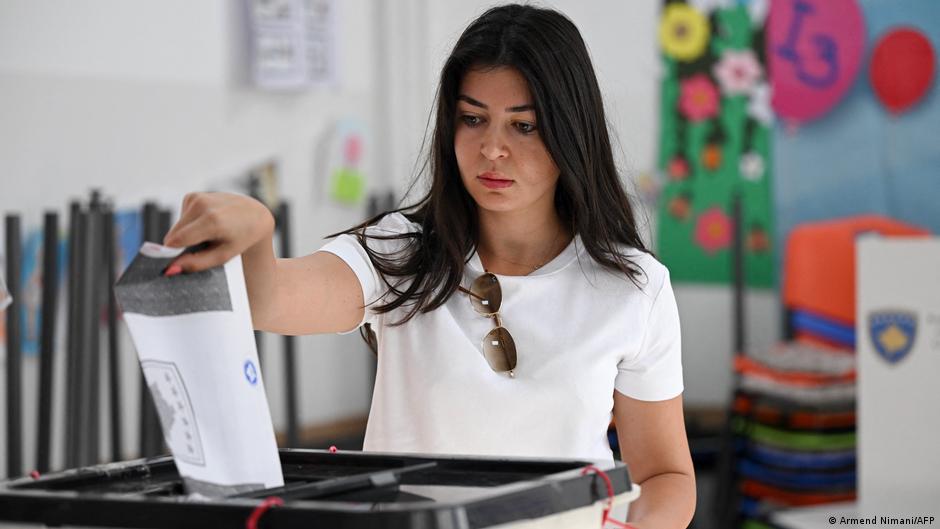
Kosovo Prime Minister Albin Kurti 's Vetevendosje party on Sunday won the most votes in a snap election, yet failed to secure enough votes to gove
Read Full Story at DW World →Why This Matters
The outcome underscores the deep fragmentation in Kosovo’s political landscape, where even a decisive electoral victory may not translate into stable governance. It reflects broader disillusionment with traditional parties and a growing demand for direct action on issues like corruption and economic stagnation, yet the lack of a majority risks prolonging institutional paralysis.
Background Context
Kosovo’s political gridlock stems from years of ethnic tensions and a fragmented parliament where no single bloc can govern without fragile coalitions. Kurti’s Vetevendosje, once a protest movement, has become the dominant force, but its inability to secure a majority highlights the limits of its confrontational approach in a deeply divided society.
What Happens Next
Coalition talks will likely drag on for weeks or months, with Kurti forced to negotiate with smaller parties that may extract concessions in exchange for support. Meanwhile, public frustration could escalate if economic grievances remain unaddressed, potentially fueling further unrest or a fresh political realignment ahead of the next election.
Bigger Picture
This election is part of a wider trend across the Balkans, where populist or reformist parties gain ground but struggle to govern effectively amid entrenched divisions. The result may embolden opposition forces while deepening skepticism about whether electoral democracy alone can deliver meaningful change in the region.






