La NASA avanza hacia la misión Artemis III en 2027 y anuncia a su tripulación
Read this release in English here. La NASA dio el martes otro paso hacia una de las misiones tripuladas más complejas de la historia reciente al ofrecer nuevos detalles sobre Artemis III y anunciar a…
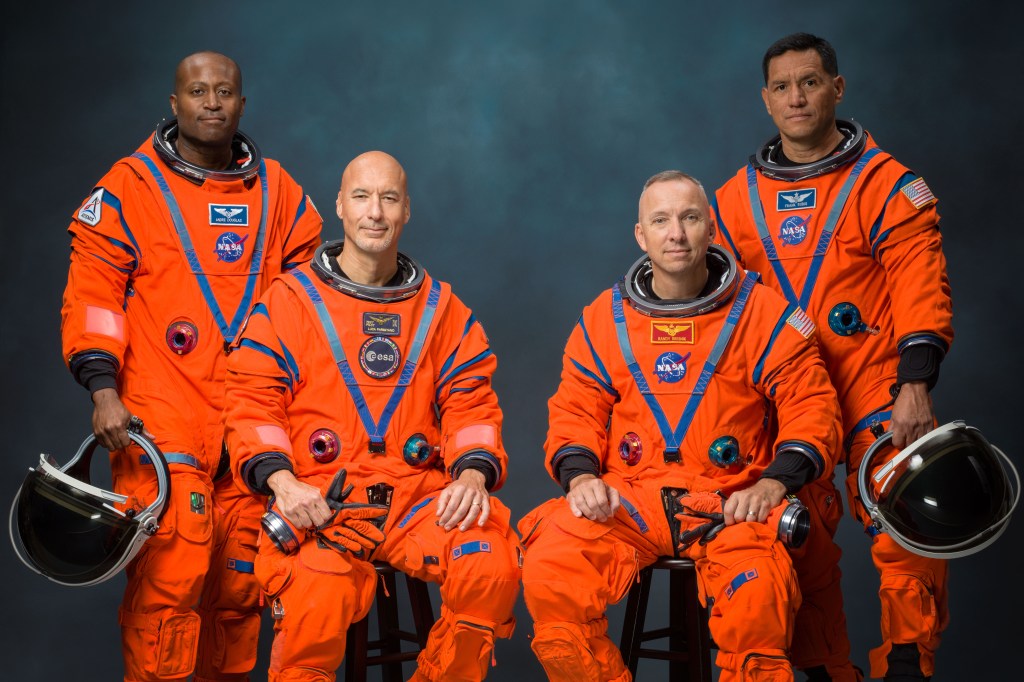
Read this release in English here. La NASA dio el martes otro paso hacia una de las misiones tripuladas más complejas de la historia reciente al ofrec
Read Full Story at NASA →Why This Matters
The announcement of Artemis III’s crew and the mission’s 2027 timeline represents a pivotal moment for NASA’s long-term lunar ambitions, signaling not just a return to the Moon but a sustained push toward establishing a permanent human presence beyond Earth. This mission could redefine the parameters of international space cooperation, commercial partnerships, and scientific discovery, setting the stage for deeper exploration of the Moon’s south pole—a region believed to hold critical resources like water ice.
Background Context
Artemis III follows decades of incremental progress in human spaceflight, from the Apollo era’s legacy to the International Space Station’s collaborative model, but with a modern twist: private companies like SpaceX and Blue Origin now play a central role in NASA’s infrastructure. The $93 billion Artemis program, authorized by Congress in 2017, is also a response to geopolitical competition, particularly China’s rapid expansion in lunar exploration, which has accelerated timelines and increased stakes.
What Happens Next
With the crew announced, attention will shift to the Artemis II lunar flyby in 2025—itself a testbed for crewed systems—and the uncrewed Artemis I mission’s lessons learned. Technical hurdles remain, particularly around SpaceX’s Starship lunar lander and the development of new spacesuits, while international partners like ESA and JAXA await their roles in future Artemis missions. The 2027 date is ambitious, suggesting NASA may face pressure to adjust timelines if key milestones slip.
Bigger Picture
Artemis III is part of a broader shift in space exploration, where government-led missions are increasingly intertwined with commercial innovation and scientific urgency. The Moon is no longer just a symbolic destination but a proving ground for technologies like in-situ resource utilization and sustainable habitats, which could one day extend human reach to Mars. This mission also underscores the growing role of private capital in space, reshaping the economics of exploration.







