Labour risks handing power to Reform without drastic change, says union leader
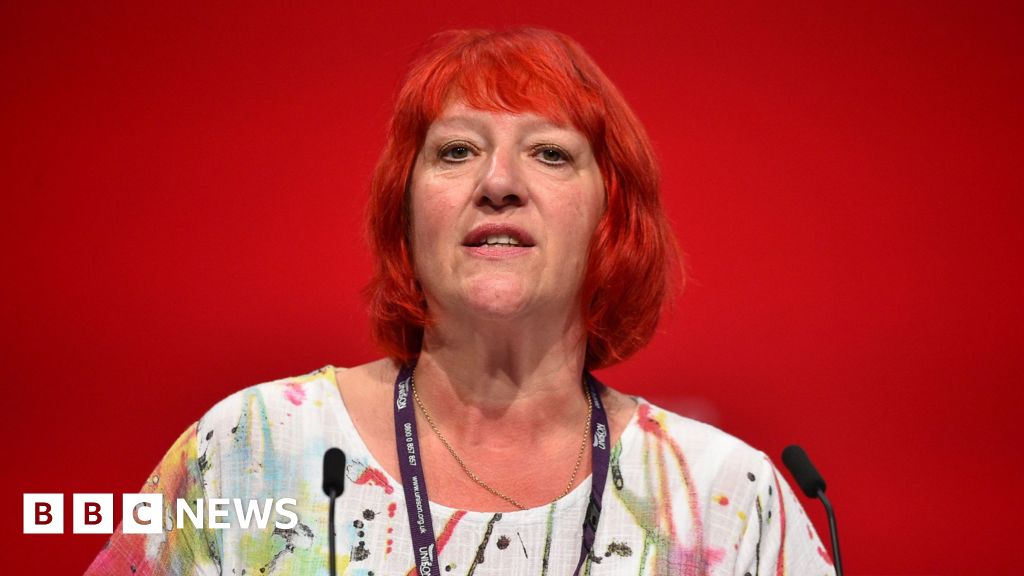
Andrea Egan is about to attend her first conference of the country's biggest union, Unison, as its leader. A grassroots campaigner for more than 30 years, she upset expectations when she defeated th…
BBC Politics — 15 June 2026
Text:
10
0
0
Andrea Egan is about to attend her first conference of the country's biggest union, Unison, as its leader. A grassroots campaigner for more than 30 y
Read Full Story at BBC Politics →
⚡ Quickyla Analysis
Original editorial context — not sourced from the article above
The impending ascent of Andrea Egan to the leadership of UNISON marks a pivotal moment for British Labour—not just in terms of internal dynamics, but as a potential inflection point in the party’s faltering grip on power. Egan’s grassroots ascendancy over establishment-backed candidates signals a shift toward a more assertive, left-leaning agenda, but it arrives at a precarious juncture. With Reform UK’s electoral momentum showing no signs of abating and Labour’s traditional voter coalition fraying, her warnings about the party’s drift toward irrelevance resonate beyond UNISON’s halls. The union’s 1.3 million members—many of them public sector workers—have historically been Labour’s electoral backbone, but their loyalty is no longer guaranteed if the party fails to deliver tangible protections against austerity, wage stagnation, and privatization trends that have accelerated under recent governments.
Egan’s rise also underscores deeper structural tensions within Labour. The party’s cautious, centrist repositioning under Starmer has alienated some of its most committed supporters, creating a vacuum that Reform UK has exploited by blending anti-immigration rhetoric with populist economic grievances. UNISON’s growing disillusionment reflects a broader frustration among organized labor, which has watched as Labour prioritizes fiscal prudence over worker protections—a strategy that risks ceding ground to parties promising more radical solutions. The union’s decision to elevate an outsider like Egan suggests a willingness to push back, but whether Labour can reconcile its electoral pragmatism with the demands of its base remains an open question.
Looking ahead, Egan’s leadership could either serve as a catalyst for Labour’s leftward shift or expose the limits of union influence in a party increasingly beholden to business interests. The next six months will be critical: if Labour continues to sidestep key policy commitments—such as scrapping anti-strike laws or reversing NHS privatization—UNISON’s discontent may translate into active opposition rather than passive disappointment. Meanwhile, Reform’s gains in working-class constituencies highlight a dangerous trend: the erosion of Labour’s monopoly on the left, where economic discontent is increasingly weaponized by right-wing populists. The stakes are clear. Labour’s survival depends not just on winning elections, but on whether it can reconnect with the very forces that once made it unbeatable.
Sources

🏛️ Politics
"Fujimori never again!" Protesters fill streets of Lima ahead of Peru presidential elections

🏛️ Politics
Trump: Reports US, Iran stopped speaking ‘false and erroneous’

🏛️ Politics
Secretary of State Marco Rubio faces questions about Iran war on Capitol Hill

🏛️ Politics
US not 'turning back' on Asia allies, but expects them to boost defence, says Hegseth

🏛️ Politics
Pence: There’s ‘clearly” been an effort to ‘rewrite’ Jan. 6 history

🏛️ Politics
Washington, Silicon Valley brace for AI job losses


