🔬 Science
Live
Lavish Roman villa discovered outside Rome's walls may have been frequented by Hadrian and Marcus Aurelius
The villa, which came to light because it was illegally excavated, was found in an area frequented two millennia ago by the emperors Hadrian, Antoninus Pius and Marcus Aurelius.
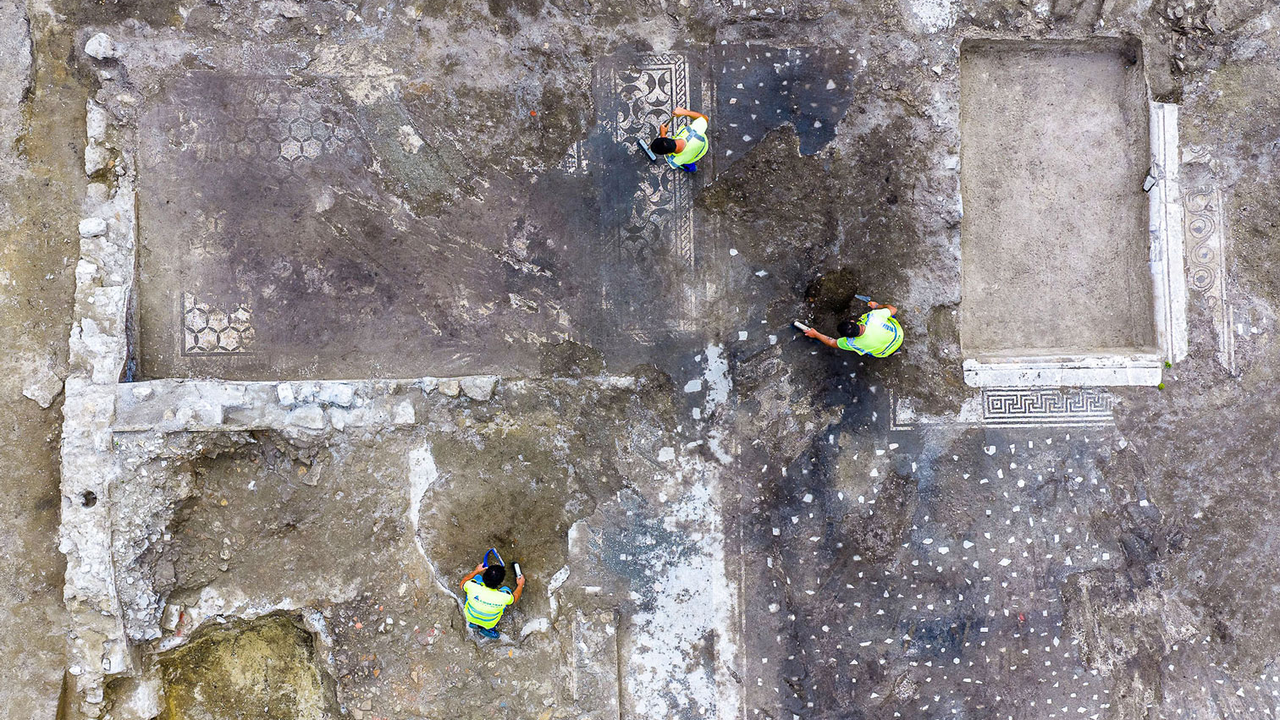
Live Science — 15 June 2026
Text:
21
0
0
The villa, which came to light because it was illegally excavated, was found in an area frequented two millennia ago by the emperors Hadrian, Antoninu
Read Full Story at Live Science →
⚡ Quickyla Analysis
Original editorial context — not sourced from the article above
The discovery of a lavish Roman villa just outside Rome’s historic walls—revealed only after it was illegally excavated—offers a tantalizing glimpse into the private retreats of emperors long associated with the city’s golden age. The site’s proximity to the well-trodden paths of Hadrian, Antoninus Pius, and Marcus Aurelius suggests more than mere coincidence: it underscores how the elite of imperial Rome carved out sanctuaries beyond the crowded, politically charged heart of the city. These emperors, whose reigns spanned the 2nd century CE, were known for their intellectual pursuits, military campaigns, and patronage of the arts—activities often pursued in seclusion. A villa in this location, with its likely grand architecture and strategic placement along ancient roads, would have been an ideal escape from the demands of power, a place where philosophy and governance could blend with leisure.
What makes this find particularly significant is its potential to reshape our understanding of imperial life beyond the public monuments of Rome. While historians have long documented the emperors’ public roles, their private spaces remain elusive. This villa, if further excavation confirms its connection to them, could reveal domestic life in unprecedented detail—perhaps even artifacts or structural features that reflect the cultural tastes of the era. Moreover, the illegal excavation that uncovered it highlights a persistent challenge in archaeology: the tension between preservation and looting. Italy’s cultural heritage is under constant threat from clandestine digs, driven by the black market for antiquities. This case may prompt renewed scrutiny of how such sites are protected, especially in areas with high archaeological potential.
The next steps in the investigation will be critical. Archaeologists will need to carefully assess the villa’s layout, dating, and any inscriptions or decorative elements that could link it definitively to imperial figures. If evidence emerges, it would not only enrich our knowledge of Hadrian’s Villa in Tivoli or Marcus Aurelius’ retreat at Lorium but could also redefine the significance of Rome’s immediate hinterland. For now, the discovery serves as a reminder of how much remains buried beneath modern landscapes—and how fragile that past truly is.
Sources

🔬 Science
El Niño Is Underway

🔬 Science
'Astonishing': James Webb telescope spots the most chemically primitive galaxy in the ancient universe

🔬 Science
Astronomers gaze into the 'Crystal Ball Nebula' and see a vision of our dying sun — Space photo of the week

🔬 Science
NASA Awards Contract for Johnson Space Center Infrastructure

🔬 Science
Bacteria uncover distinct strategy to import rare sugar polymers, crystal structures show

🔬 Science
Putin's quest to avoid the grim reaper: What’s behind the $26 Billion longevity programme?

