🌍 World News
Live
Lawyer of Uganda opposition figure Besigye charged with treason-related offence
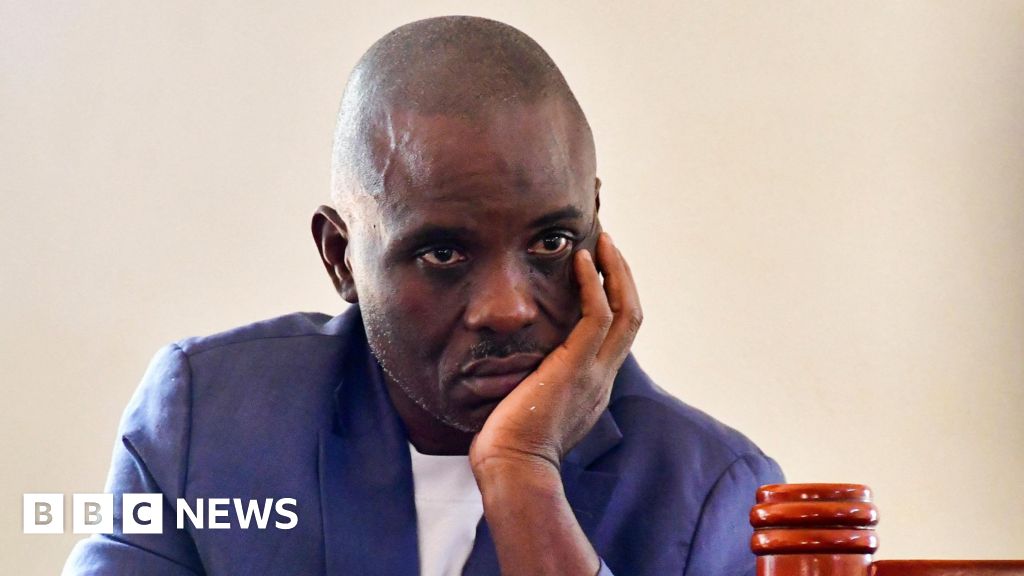
A former Ugandan mayor and lawyer representing detained opposition figure Kizza Besigye, who is on trial for treason, has himself been charged with a treason-related offence. Erias Lukwago appeared …
BBC World News — 18 June 2026
Text:
34
0
0
A former Ugandan mayor and lawyer representing detained opposition figure Kizza Besigye, who is on trial for treason, has himself been charged with a
Read Full Story at BBC World News →
⚡ Quickyla Analysis
Original editorial context — not sourced from the article above
The arrest and treason charge against Erias Lukwago, a prominent lawyer defending Uganda’s detained opposition leader Kizza Besigye, marks a dangerous escalation in the government’s crackdown on dissent. While treason charges are often politically weaponized in Uganda, Lukwago’s case stands out because it directly targets legal representation—a cornerstone of any functioning democracy. This move sends a chilling message to lawyers and activists alike, signaling that even those defending the accused are not beyond state retribution. The broader significance lies in the erosion of institutional safeguards: if legal counsel can be criminalized for doing their job, the rule of law in Uganda is under severe strain, reinforcing perceptions of a state increasingly intolerant of opposition.
The backdrop to this case is Uganda’s long history of suppressing dissent through legal and extrajudicial means. Besigye, a three-time presidential candidate and longtime critic of President Yoweri Museveni, has faced repeated arrests, violent crackdowns, and now treason charges for allegedly fomenting unrest. Lukwago’s involvement adds another layer, as he has been a vocal advocate for electoral reforms and judicial independence. His prosecution could be an attempt to intimidate other lawyers from taking on politically sensitive cases, particularly as Uganda approaches another election cycle. The government’s narrative—that such charges are necessary for national security—contrasts sharply with the reality of a shrinking civic space, where protests are banned, media is muzzled, and opposition leaders are routinely jailed.
What happens next remains uncertain. Lukwago’s case could drag on for months, further draining resources from his legal team as they fight both the charges and the broader campaign to discredit Besigye’s movement. Alternatively, it may serve as a final warning to opposition figures and their supporters before the next election, where Museveni’s hold on power grows increasingly fragile amid economic discontent and generational shifts in the electorate. The international community’s response will also be telling—whether it issues stern condemnations or, as in the past, prioritizes stability over democratic norms. Whatever the outcome, this case underscores a troubling trend: in Uganda, the battle for justice is increasingly waged in courtrooms that are themselves under siege.
Sources

🌍 World News
Agitators outside Delaney Hall set up organized logistics operation before Newark protests began

🌍 World News
Man fleeing police attacked by alligator before continuing his getaway, Louisiana authorities say
🌍 World News
US crude exports hit record high in May as Iran war tightens global oil supplies

🌍 World News
French doctors sound alarm over drinking water pollution

🌍 World News
Iran, Kuwait, Bahrain hit: Is the war in the Gulf escalating again?

🌍 World News
Four people trapped in flooded cave in Laos pulled to safety


