Learning a musical instrument in your 70s could help protect memory
Learning a musical instrument later in life may help keep the brain younger for longer. In a four-year study, older adults who continued practicing maintained their memory performance and showed less…
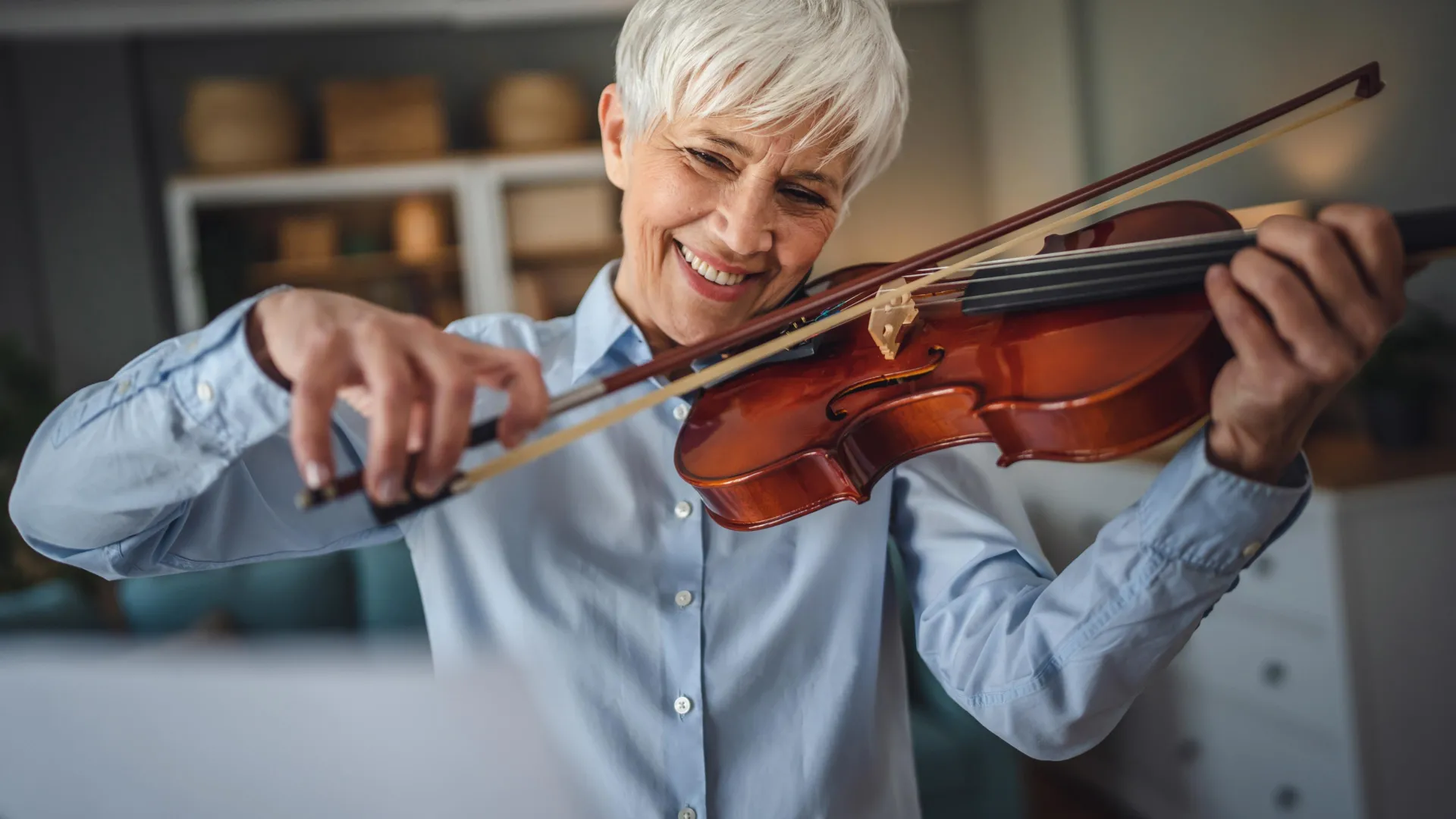
Learning a musical instrument later in life may help keep the brain younger for longer. In a four-year study, older adults who continued practicing ma
Read Full Story at ScienceDaily →Why This Matters
The idea that cognitive decline is inevitable with age is being challenged by evidence that lifelong plasticity—the brain’s ability to adapt—can be harnessed at any stage. This study suggests that structured, engaging activities like music aren’t just hobbies but potential interventions against dementia, reframing aging as a period of growth rather than decline. For policymakers and healthcare systems, it underscores the value of accessible arts programs as low-cost, high-impact tools for public health.
Background Context
Neuroscience has long focused on the "critical period" hypothesis, which posited that brain development peaks in early life, leaving older adults with limited capacity for meaningful change. Recent shifts in cognitive research, however, reveal that even septuagenarians can form new neural connections through complex, multisensory tasks. Meanwhile, the global dementia crisis has pushed governments to explore non-pharmaceutical preventions, as drug-based solutions remain elusive and costly.
What Happens Next
Expect a surge in community music programs targeting retirees, with potential collaborations between gerontologists and music therapists to design standardized curricula. Insurers may begin covering instrument lessons as preventive care, mirroring the rise of gym memberships for physical health. Yet unanswered questions linger about dosage—how often must one practice to see benefits?—and whether these effects extend to those with pre-existing cognitive impairments.
Bigger Picture
This aligns with a growing "anti-aging 2.0" movement that rejects passivity in later life, instead embracing interventions like language learning, dance, or even video games. It also reflects a broader cultural redefinition of retirement from a phase of withdrawal to one of reinvention. If replicated, such findings could accelerate the integration of arts into healthcare, challenging the siloed approach that often separates mental health from creative expression.






