🔬 Science
Live
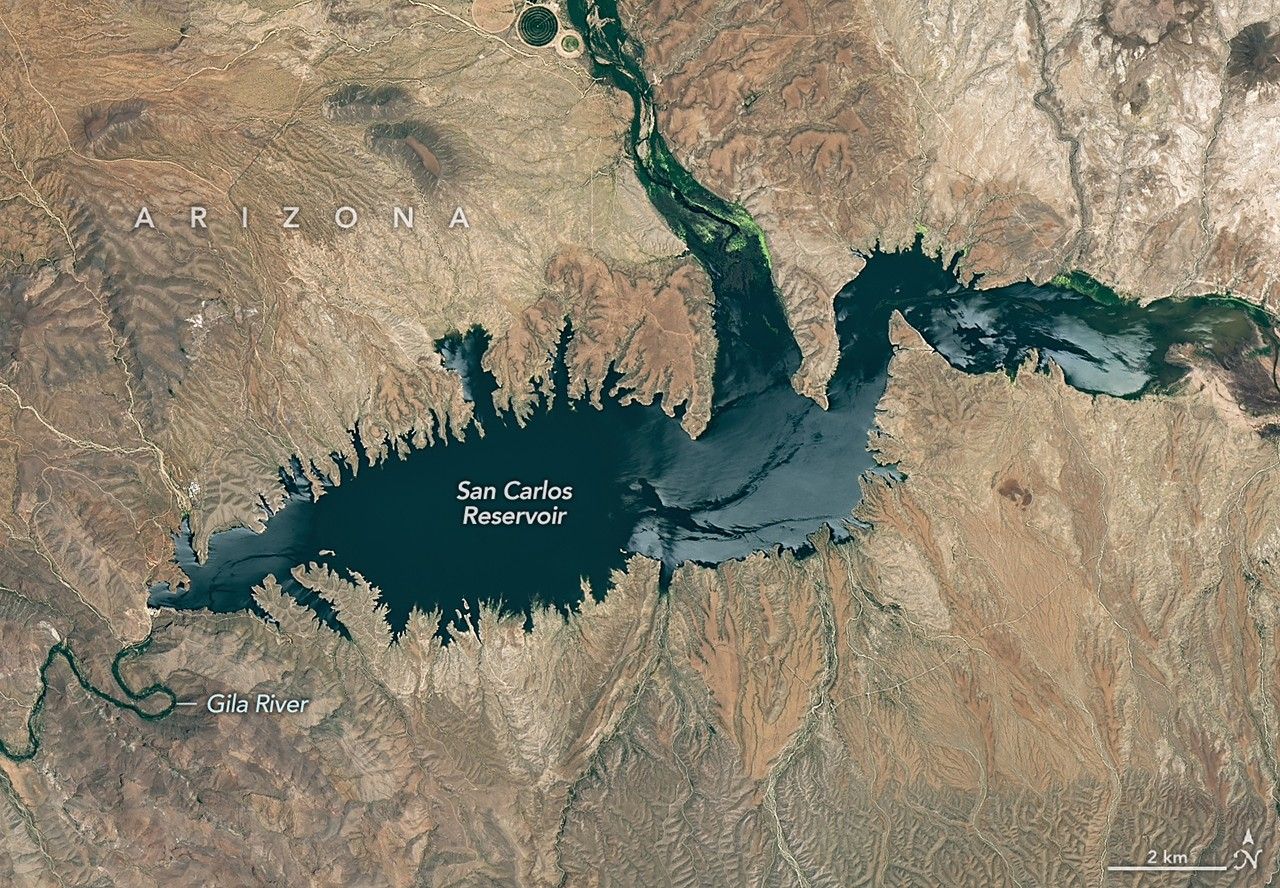
Low Water at San Carlos Reservoir
Drought and water releases drained the Arizona reservoir to levels that have led to widespread fish deaths.
NASA — 16 June 2026
Text:
19
0
0
Drought and water releases drained the Arizona reservoir to levels that have led to widespread fish deaths. This report comes from NASA. The story ce
Read Full Story at NASA →
⚡ Quickyla Analysis
Original editorial context — not sourced from the article above
The plight of the San Carlos Reservoir underscores a harsh ecological and economic reality gripping the American Southwest: water scarcity is no longer a distant threat but an unfolding crisis with immediate consequences. The reservoir, a critical water source for agriculture and tribal communities in Arizona, has reached critically low levels not just because of prolonged drought—now a decades-long fixture—but also due to deliberate water releases that have accelerated its decline. The resulting fish kills are a grim symptom of a system pushed to its limits, where ecological collapse and human needs collide in ways that demand urgent attention.
What makes this situation particularly troubling is the reservoir’s historical role as a buffer against drought. Once a reliable backup for the Colorado River’s shrinking supplies, San Carlos is now revealing the fragility of such systems when overtaxed by climate change, competing demands, and regulatory constraints. The reservoir’s woes also highlight the precarious position of Indigenous communities, including the San Carlos Apache Tribe, who have long relied on these waters for cultural and subsistence purposes. Their voices, often sidelined in water policy debates, are now central to the conversation as environmental degradation forces reckonings over equity and resource allocation.
Looking ahead, the reservoir’s fate may hinge on whether federal and state agencies can balance short-term relief with long-term sustainability. Possible interventions—such as stricter conservation measures, alternative water sources, or even controversial proposals like desalination—will test the political will to prioritize ecological health over entrenched economic interests. Yet even these steps may come too late for the fish and the species that depend on them, raising questions about irreversible tipping points in regional water management.
This crisis is not isolated. From California’s dried-up lakes to the shrinking Great Salt Lake, the Southwest’s water woes are a microcosm of global challenges: rising temperatures, aging infrastructure, and the hardening of water rights that privilege some uses over others. San Carlos Reservoir may soon become a cautionary tale—or, if managed wisely, a case study in adaptation. Either way, its struggles are a bellwether for whether the region can confront its water future before the next drought arrives.
Sources

🔬 Science
'Astonishing': James Webb telescope spots the most chemically primitive galaxy in the ancient universe

🔬 Science
El Niño Is Underway

🔬 Science
Astronomers gaze into the 'Crystal Ball Nebula' and see a vision of our dying sun — Space photo of the week

🔬 Science
Bacteria uncover distinct strategy to import rare sugar polymers, crystal structures show

🔬 Science
NASA Awards Contract for Johnson Space Center Infrastructure

🔬 Science
Repairing DNA damage: Scientists discover a surprising new benefit of melatonin

