🌍 World News
Live
Luigi Mangione will use a psychiatric defense in state murder case
Luigi Mangione will assert a psychiatric defense in his state murder trial in the killing of UnitedHealthcare CEO Brian Thompson, the judge overseeing the case said at a hearing on Wednesday.
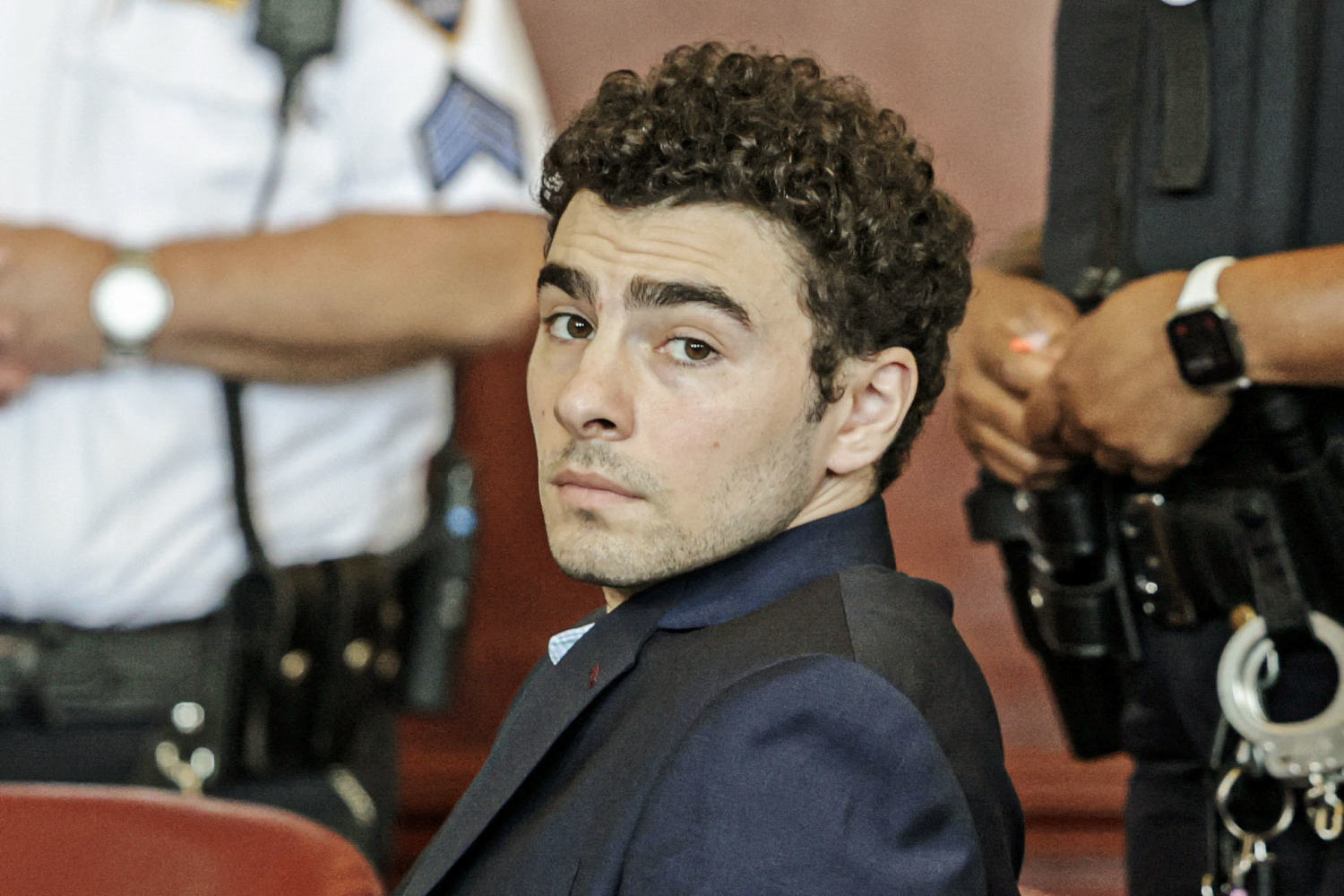
NBC News — 17 June 2026
Text:
19
0
0
Luigi Mangione will assert a psychiatric defense in his state murder trial in the killing of UnitedHealthcare CEO Brian Thompson, the judge overseeing
Read Full Story at NBC News →
⚡ Quickyla Analysis
Original editorial context — not sourced from the article above
The decision by Luigi Mangione to assert a psychiatric defense in the murder trial of UnitedHealthcare CEO Brian Thompson marks a pivotal moment in a case that has already drawn intense public scrutiny. Psychiatric defenses—particularly those invoking insanity or diminished capacity—are rare in high-profile cases, but their invocation here underscores a deeper tension between accountability and the complexities of mental health. While the legal system typically demands clear evidence of mens rea (criminal intent), Mangione’s strategy suggests an acknowledgment that his actions may have been influenced by severe psychological disturbances, raising questions about whether justice can be served through punishment alone in such cases.
Legal observers will note that psychiatric defenses are notoriously difficult to successfully argue in court. Juries often grapple with reconciling medical diagnoses with the moral weight of a violent crime, and prosecutors frequently counter such claims with their own psychiatric experts. The judge’s acknowledgment of the defense signals that Mangione’s mental state will be a central issue, but the outcome remains uncertain. This case also intersects with broader debates about corporate accountability and the mental health crisis among marginalized populations. Thompson’s status as a high-profile CEO adds a layer of public interest, but the core of the matter lies in whether Mangione’s actions stemmed from untreated illness rather than premeditated malice.
Looking ahead, the trial could set a precedent for how future cases involving psychiatric defenses are adjudicated, particularly in high-stakes scenarios where public opinion is already polarized. If Mangione’s defense succeeds, it may embolden more defendants to pursue similar arguments, though legal experts caution that such outcomes remain exceptional. Conversely, a rejection of the defense could reinforce the perception that the legal system prioritizes punishment over rehabilitation for those with mental health challenges.
Beyond the courtroom, this case highlights the urgent need for systemic solutions—better mental health care access, crisis intervention programs, and societal awareness—to prevent such tragedies before they occur. Whether justice is served in a courtroom or through broader policy changes remains an open question, but the debate itself is long overdue.
Sources

🌍 World News
Man fleeing police attacked by alligator before continuing his getaway, Louisiana authorities say
🌍 World News
US crude exports hit record high in May as Iran war tightens global oil supplies

🌍 World News
Agitators outside Delaney Hall set up organized logistics operation before Newark protests began

🌍 World News
French doctors sound alarm over drinking water pollution

🌍 World News
Iran, Kuwait, Bahrain hit: Is the war in the Gulf escalating again?

🌍 World News
Four people trapped in flooded cave in Laos pulled to safety

