🌍 World News
Live
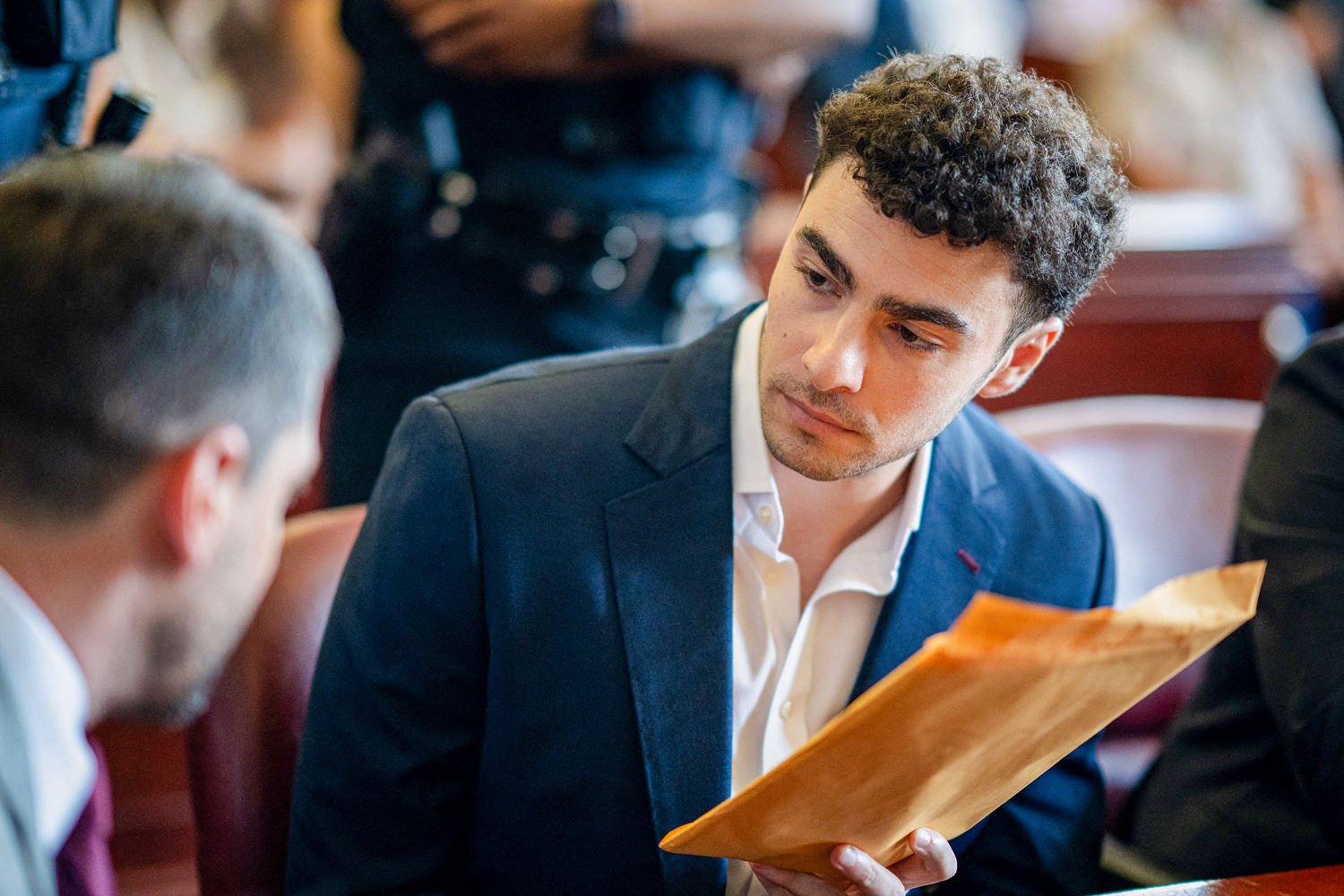
Luigi Mangione withdraws plans to use psychiatric defense in state murder case
Attorneys for Luigi Mangione are withdrawing his psychiatric defense in the state murder trial in the killing of UnitedHealthcare CEO Brian Thompson, documents filed Thursday show
NBC News — 18 June 2026
Text:
23
0
0
Attorneys for Luigi Mangione are withdrawing his psychiatric defense in the state murder trial in the killing of UnitedHealthcare CEO Brian Thompson,
Read Full Story at NBC News →
⚡ Quickyla Analysis
Original editorial context — not sourced from the article above
The decision by Luigi Mangione’s legal team to abandon a psychiatric defense in the murder trial for the killing of UnitedHealthcare CEO Brian Thompson marks a strategic pivot with broader implications for high-stakes criminal cases, particularly those involving corporate figures and violent crime. While the specific reasons behind the withdrawal remain undisclosed, the move underscores how defense strategies in cases with significant public and legal scrutiny often evolve in response to unforeseen challenges. Psychiatric defenses, which hinge on proving a defendant’s inability to discern right from wrong due to mental illness, are notoriously difficult to mount successfully, often requiring extensive expert testimony and risking backlash from victims’ families and prosecutors. Their abandonment here suggests either a calculation that the evidence against Mangione is too strong to overcome with such a defense or a tactical shift toward a different legal argument—one that may prioritize mitigating circumstances over mental incapacity.
This case intersects with broader trends in how the justice system handles crimes tied to corporate power structures. UnitedHealthcare’s prominence in the healthcare industry already amplifies public interest, and the killing of its CEO—regardless of motive—has drawn attention to issues of corporate governance, mental health, and the accessibility of high-profile legal defenses. The withdrawal of the psychiatric argument may also reflect the increasing skepticism toward such defenses in cases where defendants are deemed to possess the cognitive or financial resources to plan and execute a crime, even if their mental state is in question. Legal observers will watch closely to see whether the prosecution’s case leans more on circumstantial evidence, financial motives, or other factors that could obviate the need for an insanity defense.
Open questions linger about what alternative strategies Mangione’s team might pursue, such as diminished capacity arguments or claims of coercion, and whether this shift signals a broader retreat from mental health-based defenses in high-profile cases. The outcome could influence future legal battles where defendants face similar pressures to balance public perception with the most viable path to acquittal or reduced charges. As the trial progresses, the decision to drop the psychiatric defense will be scrutinized not just for its immediate legal impact but for what it reveals about the evolving calculus of criminal defense in an era of heightened scrutiny and media attention.
Sources

🌍 World News
Man fleeing police attacked by alligator before continuing his getaway, Louisiana authorities say
🌍 World News
US crude exports hit record high in May as Iran war tightens global oil supplies

🌍 World News
Agitators outside Delaney Hall set up organized logistics operation before Newark protests began

🌍 World News
French doctors sound alarm over drinking water pollution

🌍 World News
Iran, Kuwait, Bahrain hit: Is the war in the Gulf escalating again?

🌍 World News
Four people trapped in flooded cave in Laos pulled to safety

