Make sex education mandatory, says Labour MP
Relationships and sex education for 16 to 18-year-olds could be made mandatory in a bid to prevent violence against women and girls. The Labour MP for Hitchin, Alistair Strathern, has been pressing …
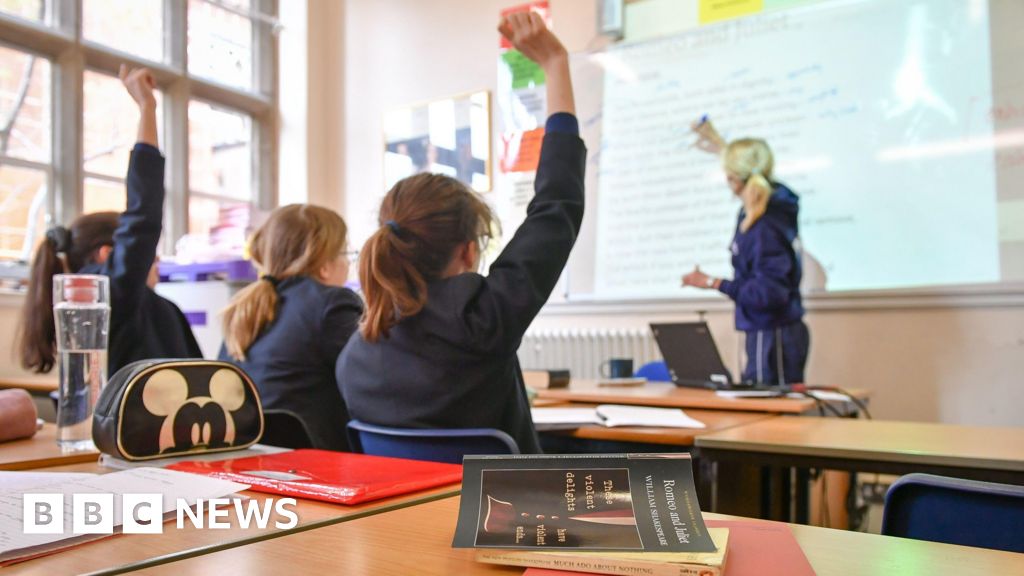
BBC Politics — 17 June 2026
Text:
22
0
0
Relationships and sex education for 16 to 18-year-olds could be made mandatory in a bid to prevent violence against women and girls. The Labour MP fo
Read Full Story at BBC Politics →
⚡ Quickyla Analysis
Original editorial context — not sourced from the article above
The push to make sex education mandatory for older teenagers reflects a growing recognition that formal learning about relationships, consent, and sexual health cannot end at the start of GCSEs. Labour MP Alistair Strathern’s proposal to extend mandatory relationships and sex education (RSE) to 16-18-year-olds arrives amid mounting concern over persistent societal violence against women and girls. While primary and secondary schools in England have been required to teach RSE since 2020, sixth forms and colleges—where many young adults are navigating new relationships, alcohol, and digital spaces—have no such obligation. This gap is significant: research shows that first-year university students, often away from home for the first time, report higher rates of sexual violence, with many citing confusion over consent and a lack of prior education. By making RSE compulsory in post-16 settings, policymakers could address a critical inflection point where legal knowledge meets real-world behaviour.
The debate also intersects with broader cultural shifts. The #MeToo movement exposed systemic failures in how society addresses sexual violence, while campaigns like “Everyone’s Invited” revealed the prevalence of misogynistic attitudes even among younger cohorts. At the same time, social media has transformed how young people form relationships, with blurred boundaries, online coercion, and the normalisation of harmful content posing fresh challenges. Many young adults now enter adulthood without structured guidance on topics like digital consent, porn literacy, or the long-term impacts of sexual violence—issues that were barely on the radar when today’s RSE curriculum was designed.
If this proposal gains traction, the next hurdle will be implementation. Schools and colleges already face resource constraints, and teachers may lack training to deliver sensitive but urgent content. There are also questions of parental rights and cultural sensitivities, particularly around LGBTQ+ topics and faith-based perspectives. Yet the broader trend is clear: societies increasingly treat comprehensive sex education not as optional enrichment, but as a public health necessity. Countries like the Netherlands and Sweden, which introduced early, mandatory RSE decades ago, consistently report lower rates of teen pregnancy and sexual assault. Whether Britain follows suit could determine not just individual well-being, but the shape of its gender equality landscape for generations to come.
Sources

🏛️ Politics
Secretary of State Marco Rubio faces questions about Iran war on Capitol Hill

🏛️ Politics
"Fujimori never again!" Protesters fill streets of Lima ahead of Peru presidential elections

🏛️ Politics
US not 'turning back' on Asia allies, but expects them to boost defence, says Hegseth

🏛️ Politics
Trump: Reports US, Iran stopped speaking ‘false and erroneous’

🏛️ Politics
Pence: There’s ‘clearly” been an effort to ‘rewrite’ Jan. 6 history

🏛️ Politics
Washington, Silicon Valley brace for AI job losses

