🌍 World News
Live
Man apologises for making racist gesture at Korean in World Cup match
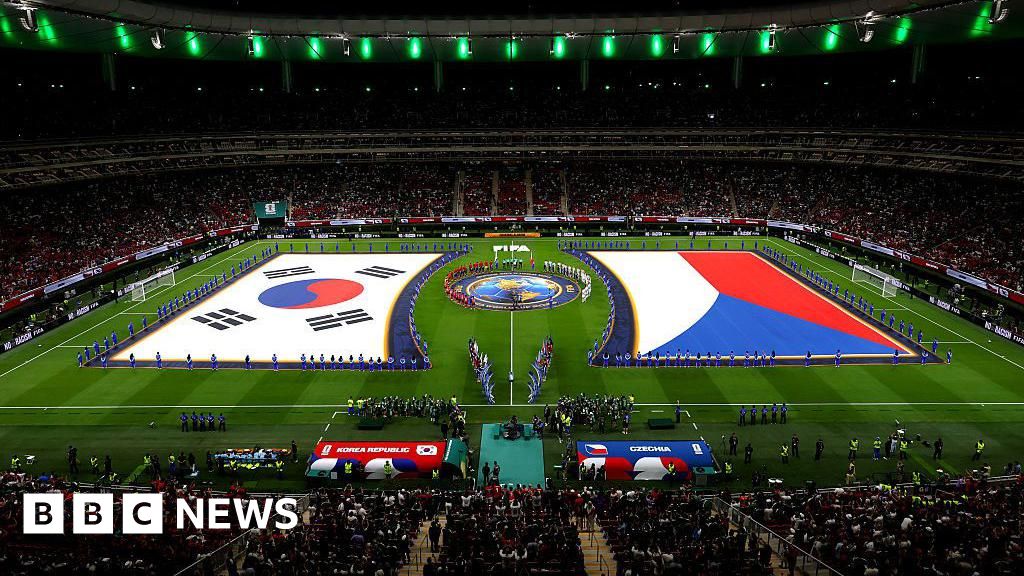
A Mexican man caught on video pulling the corners of his eyes during the World Cup match between South Korea and the Czech Republic has apologised after the clip sparked a backlash. A South Korean c…
BBC World News — 14 June 2026
Text:
34
0
0
A Mexican man caught on video pulling the corners of his eyes during the World Cup match between South Korea and the Czech Republic has apologised aft
Read Full Story at BBC World News →
⚡ Quickyla Analysis
Original editorial context — not sourced from the article above
The viral backlash against a Mexican fan who performed an offensive racial gesture during a World Cup match reflects deeper tensions around global sports culture and the unchecked spread of online outrage. The incident, captured in a widely circulated clip, reignited debates over casual racism in international events where national pride often overshadows sensitivity toward marginalized groups. While the apology issued by the individual may appear as a quick resolution, it underscores a recurring pattern in sports: isolated incidents of cultural insensitivity are met with swift condemnation, yet systemic issues of racial stereotyping in fan behavior and media representation remain largely unaddressed.
This episode also highlights the dual role of social media as both an accelerator of accountability and a catalyst for disproportionate reactions. The clip’s rapid dissemination across platforms transformed a momentary lapse in judgment into a geopolitical talking point, illustrating how digital spaces amplify outrage while often failing to facilitate nuanced dialogue. For South Korean fans, whose national team has faced similar instances of cultural misrepresentation—including past instances of Western media mocking their language or traditions—this incident may reinforce perceptions of double standards in how racism is policed depending on the perpetrator’s background.
Looking ahead, the episode raises questions about the enforceability of anti-discrimination measures in global sporting events. FIFA and host nations have increasingly implemented protocols to combat racism, but gaps persist in educating fans and sanctioning offenders in real time. Will this case lead to stricter penalties for cultural insensitivity, or will it remain an isolated apology cycle? The broader trend suggests that while public apologies can serve as symbolic gestures, lasting change requires proactive education and structural accountability rather than reactive outrage.
Ultimately, the incident serves as a reminder that sports, as a microcosm of global society, cannot escape the racial biases embedded in broader culture. The challenge now lies in whether international governing bodies will treat such moments as isolated scandals or as symptoms of a deeper, unresolved issue.
Sources

🌍 World News
Agitators outside Delaney Hall set up organized logistics operation before Newark protests began

🌍 World News
Man fleeing police attacked by alligator before continuing his getaway, Louisiana authorities say
🌍 World News
US crude exports hit record high in May as Iran war tightens global oil supplies

🌍 World News
French doctors sound alarm over drinking water pollution

🌍 World News
Iran, Kuwait, Bahrain hit: Is the war in the Gulf escalating again?

🌍 World News
Four people trapped in flooded cave in Laos pulled to safety


