🌍 World News
Live
Mangione's lawyers plan psychiatric defence in state murder trial
Lawyers for Luigi Mangione, the man accused of gunning down UnitedHealthcare Chief Executive Brian Thompson, will argue a psychiatric defence at his state murder trial, a judge said on Wednesday. Ac…
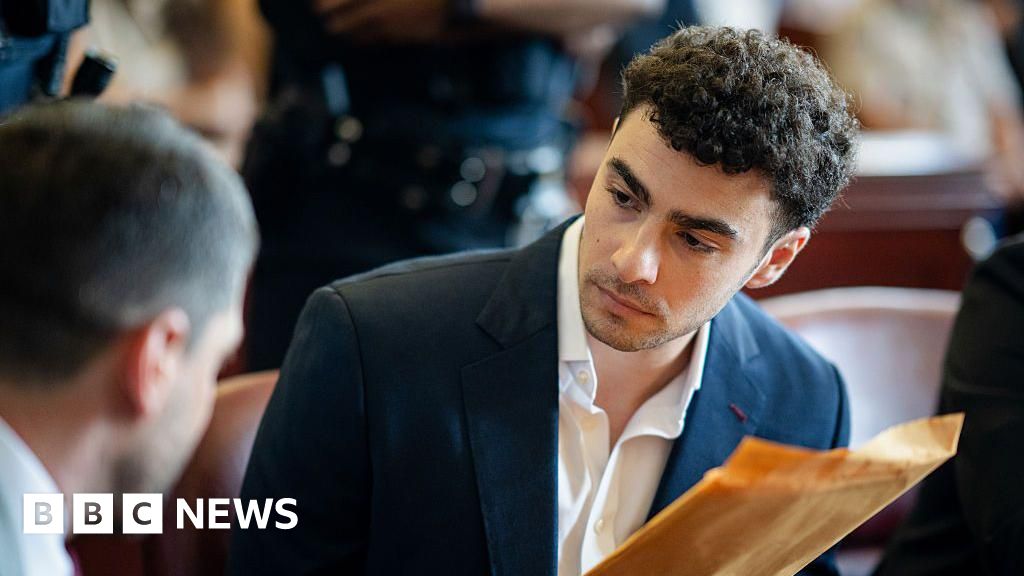
BBC World News — 17 June 2026
Text:
20
0
0
Lawyers for Luigi Mangione, the man accused of gunning down UnitedHealthcare Chief Executive Brian Thompson, will argue a psychiatric defence at his s
Read Full Story at BBC World News →
⚡ Quickyla Analysis
Original editorial context — not sourced from the article above
The decision to pursue a psychiatric defence in Luigi Mangione’s murder trial for the killing of UnitedHealthcare CEO Brian Thompson underscores a critical tension in the criminal justice system: the intersection of mental health and culpability. Mangione’s legal team’s strategy signals an attempt to shift the case from one of cold calculation to one of impaired judgment, a move that could redefine public perception of the crime. If successful, it would raise difficult questions about how society apportions blame when an individual’s mental state disrupts their ability to distinguish right from wrong. This is no small matter; it forces a reckoning with the limits of criminal responsibility, particularly in cases involving high-profile victims, where outrage often overshadows nuance.
Mangione’s alleged actions—allegedly stalking Thompson before the shooting—suggest a disturbing premeditation, yet the psychiatric defence complicates that narrative. Legal experts will scrutinize whether his mental state at the time of the crime was severe enough to negate intent, a threshold that varies significantly by jurisdiction and case law. Background details, such as Mangione’s prior interactions with Thompson or any documented history of mental illness, could become pivotal. If Mangione had exhibited erratic behavior or communicated threats before the killing, prosecutors may argue that his actions were rational, even if his motives were delusional. Conversely, if his mental health history reveals untreated psychosis or paranoid delusions, the defence could gain traction, prompting broader debates about access to psychiatric care and the criminalization of untreated illness.
What happens next hinges on medical testimony. A jury will weigh competing psychiatric evaluations, each shaping the narrative of whether Mangione was a calculating killer or a man ensnared by his own unraveling mind. If the defence prevails, it could embolden similar strategies in future cases, blurring the line between justice and mercy. If not, it may reinforce the view that mental health claims are too often weaponized by defence teams. Either outcome will reverberate through legal circles and public discourse, particularly as discussions about mental health and violence grow more prominent. In an era where mass shootings and targeted violence dominate headlines, this trial could set a precedent—one that either humanizes defendants with severe psychiatric struggles or reinforces a system that demands punitive accountability above all.
Sources

🌍 World News
Man fleeing police attacked by alligator before continuing his getaway, Louisiana authorities say
🌍 World News
US crude exports hit record high in May as Iran war tightens global oil supplies

🌍 World News
Agitators outside Delaney Hall set up organized logistics operation before Newark protests began

🌍 World News
French doctors sound alarm over drinking water pollution

🌍 World News
Iran, Kuwait, Bahrain hit: Is the war in the Gulf escalating again?

🌍 World News
Four people trapped in flooded cave in Laos pulled to safety

