Here are
Jet fuel continues leaking from Joint Base Andrews into Piscataway Creek, contaminating the Chesapeake Bay watershed with hazardous hydrocarbons. Maryland regulators are demanding a cleanup plan or f…
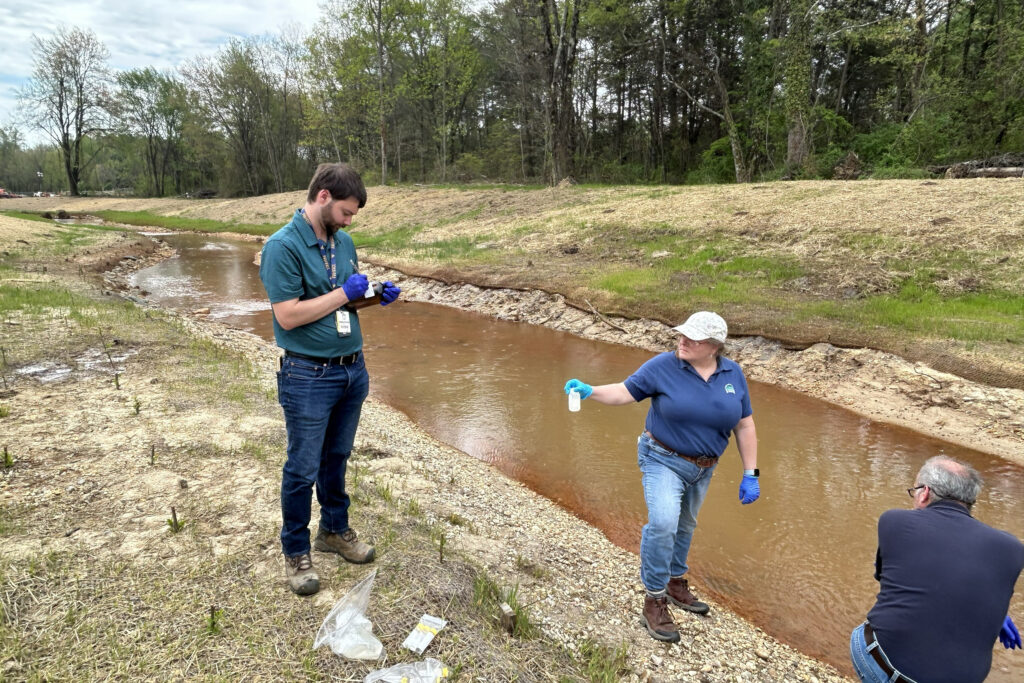
Maryland regulators say jet fuel is still leaking into Piscataway Creek from Joint Base Andrews more than six months after the spill was first reported. The state’s Department of the Environment (MDE) has been monitoring the creek since the leak was discovered in late January 2024. The base, which houses the U.S. Air Force’s air traffic control for Washington, D.C., told MDE it had isolated the damaged fuel system and stopped the leak, but new sampling shows fuel levels are still above safe limits.
The creek feeds into the Chesapeake Bay watershed, a vital area for local fisheries, wildlife and recreation. Residents of Prince George’s County use the water for fishing and kayaking, and the bay is a major source of fresh water for the region. A persistent jet‑fuel leak can poison fish, harm birds, and degrade water quality for people. The MDE’s latest tests found benzene and other hydrocarbons at levels that could threaten aquatic life. The base’s fuel storage system suffered a cracked pipe in a storage tank, and the base’s response involved shutting down the tank and rerouting fuel. However, the MDE’s repeated sampling suggests the crack remains or has widened.
MDE officials now demand a detailed remedial action plan from the base and are considering enforcement action if the leak is not stopped within 30 days. The state will also require the base to conduct more frequent water sampling and to provide a public report on cleanup progress. If the base fails to meet state requirements, MDE could file a lawsuit or seek a federal injunction. Local residents and environmental groups have called for a full independent investigation and for the base to cover the cost of the cleanup. The situation matters because it tests the balance between national security needs and environmental protection, and it could set a precedent for how military installations handle accidental spills in the future.
Read Full Story at Inside Climate News →


