Mass Sloth Deaths in Florida Show Why the Wildlife Trade Is a Pandemic Risk
When pathologists cut open dead sloths from a planned Florida tourist attraction, they found a plethora of pathogens. Parasites, bacteria and viruses were all lurking in animals weakened by grueling …
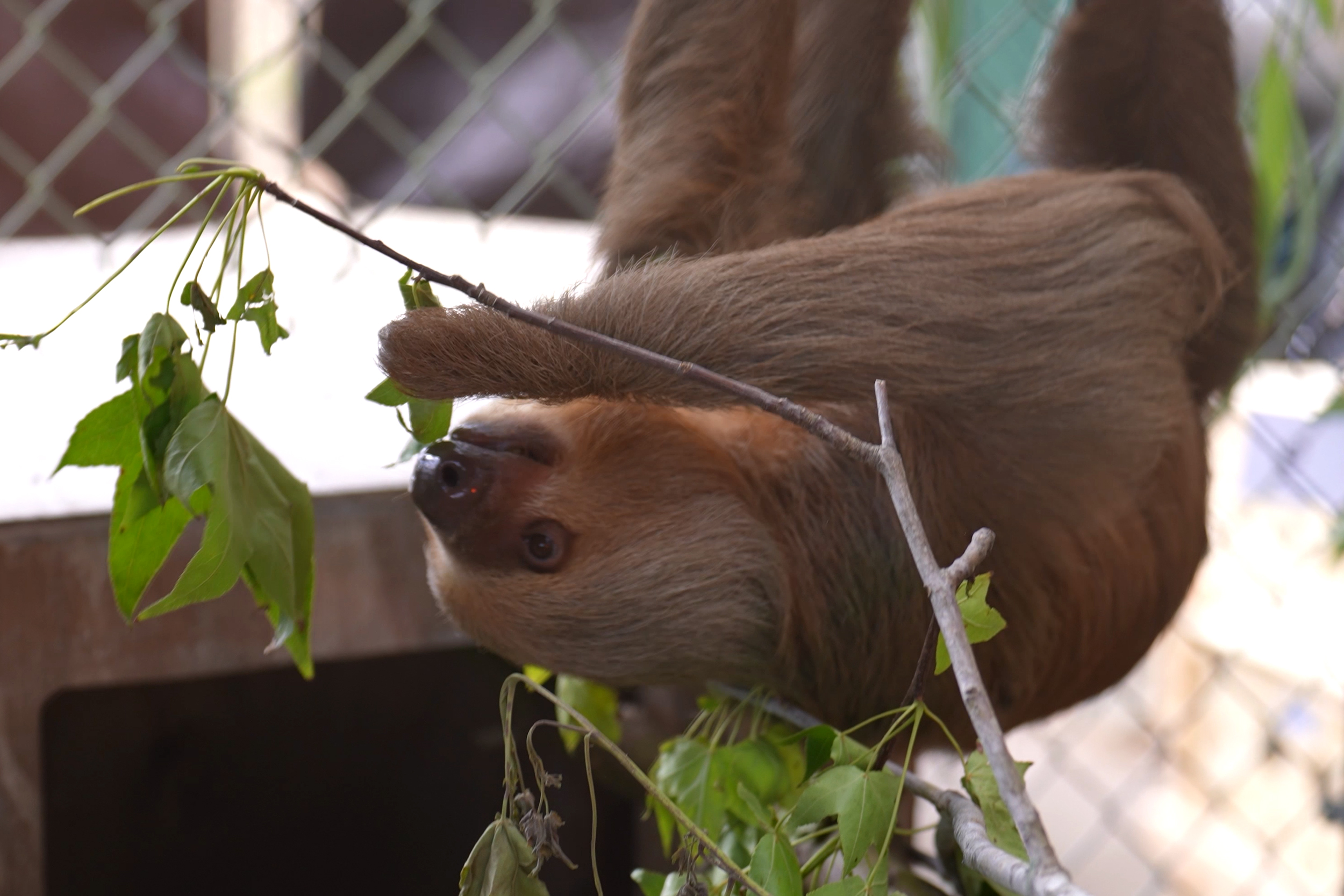
When pathologists cut open dead sloths from a planned Florida tourist attraction, they found a plethora of pathogens. Parasites, bacteria and viruses
Read Full Story at Inside Climate News →Why This Matters
The deaths of 40 sloths in Florida underscore how the wildlife trade isn't just an ecological crisis—it's a public health threat in the making. Pathogens uncovered in the animals, including zoonotic bacteria and parasites, reveal how poorly regulated animal trafficking can incubate the next pandemic before it reaches human populations.
Background Context
Florida's lax wildlife regulations have long made it a hub for exotic animal trafficking, with lax enforcement enabling the movement of species across borders without adequate health screenings. The sloths were destined for a tourist attraction, highlighting how profit motives often override biosafety concerns in industries that profit from wildlife.
What Happens Next
Expect increased scrutiny of wildlife importation practices, particularly in states with known trafficking hotspots. Public health agencies may push for stricter pre-import virological testing, but without federal reforms, loopholes could persist, leaving other regions vulnerable to similar outbreaks.
Bigger Picture
This incident is part of a troubling pattern where globalized wildlife trade networks act as incubators for novel pathogens. As climate change and habitat destruction force more species into closer contact with humans, unchecked animal trafficking isn't just cruel—it's a ticking time bomb for future pandemics.