Mastercard Expands Stablecoin Settlement via Circle's USDC, Ripple's RLUSD and Beyond
Mastercard said it's deepening its commitment to the "always-on" economy, buffing out its stablecoin settlement capabilities.
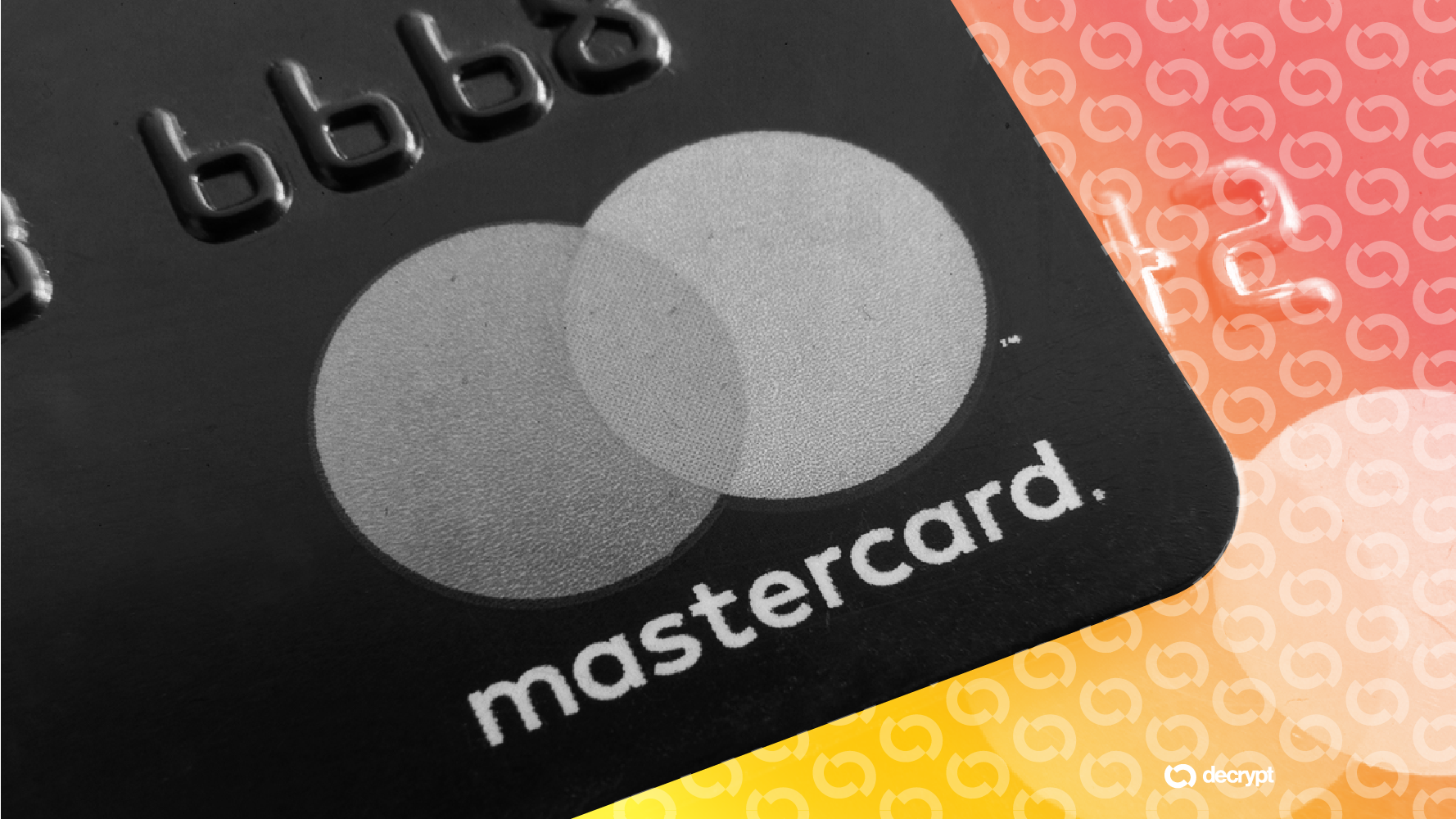
Mastercard said it's deepening its commitment to the "always-on" economy, buffing out its stablecoin settlement capabilities. This report comes from
Read Full Story at Decrypt →Why This Matters
The expansion of Mastercard’s stablecoin settlement capabilities signals a pivotal shift toward real-time, borderless financial infrastructure. By integrating USDC, RLUSD, and other stablecoins, Mastercard is positioning itself at the nexus of traditional finance and decentralized systems, potentially accelerating adoption of blockchain-based payments among institutions wary of volatility.
Background Context
Stablecoins emerged as a workaround to crypto’s price volatility, but their settlement infrastructure has long lagged behind traditional payment rails. Mastercard’s earlier forays into blockchain settlement, like its 2019 partnership with R3’s Corda, hinted at a long-term strategy to modernize cross-border transactions. Regulatory scrutiny, particularly around stablecoins like USDC, has also intensified, with the U.S. and EU pushing for clearer oversight to mitigate systemic risks.
What Happens Next
Expect a domino effect as competitors like Visa and SWIFT respond with their own stablecoin integrations, intensifying the race for interoperability. Regulators may fast-track stablecoin-specific legislation, while banks could accelerate pilot programs to test these rails for large-scale settlements. The wildcard? Customer resistance—whether due to unfamiliarity with stablecoins or distrust in their pegging mechanisms.
Bigger Picture
This move underscores a broader trend: the gradual erosion of the "rails" metaphor in finance, where payment networks are no longer just conduits but active participants in liquidity. As blockchain-based settlement matures, it could redefine the balance of power between legacy institutions and fintech disrupters, with consumer trust becoming the ultimate arbitrage.




