⚽ Sports
Live
McLaren appeal Monaco GP result with concerns over 'sporting fairness'
McLaren have appealed the Monaco Grand Prix result after Alpine driver Pierre Gasly was reinstated to the podium, highlighting concerns over "sporting fairness" and "integrity".
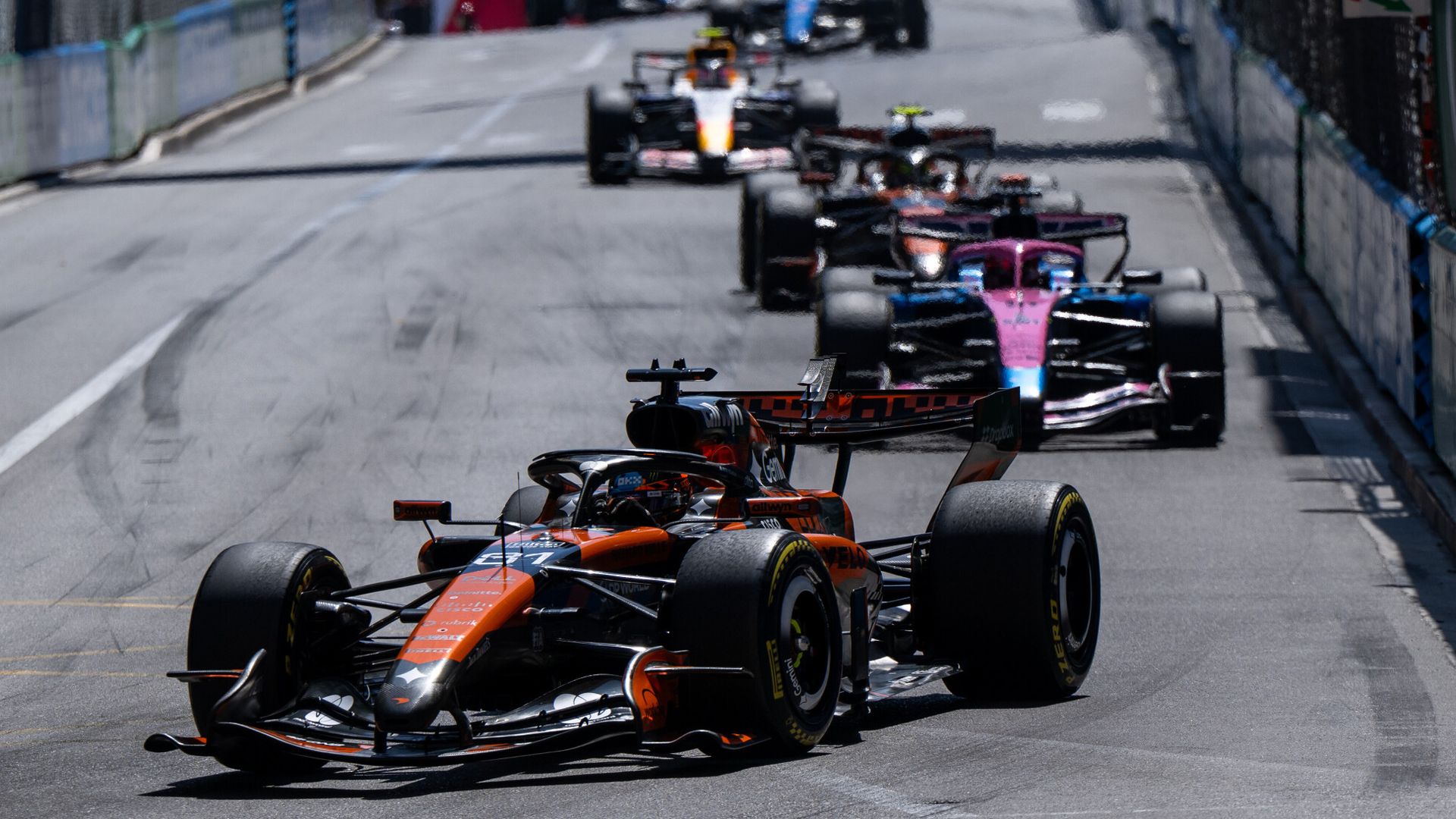
Sky Sports — 16 June 2026
Text:
25
0
0
McLaren have appealed the Monaco Grand Prix result after Alpine driver Pierre Gasly was reinstated to the podium, highlighting concerns over "sporting
Read Full Story at Sky Sports →
⚡ Quickyla Analysis
Original editorial context — not sourced from the article above
The appeal lodged by McLaren over the Monaco Grand Prix result underscores a deeper tension in Formula 1—not just about race outcomes, but about the very rules that govern the sport’s competitive balance. The reinstatement of Alpine’s Pierre Gasly to the podium, despite McLaren’s protest, raises questions about how decisions on track are reviewed and whether the current appeals process truly upholds sporting fairness. For a championship where margins are measured in fractions of a second, the perception of arbitrary or inconsistent rulings can erode fan trust and even influence broader commercial confidence in the sport.
This isn’t the first time such disputes have surfaced in F1. Historically, appeals have been rare, often settled behind closed doors or dismissed on procedural grounds. But Monaco—a race where overtaking is notoriously difficult and strategy hinges on split-second decisions—amplifies the stakes. The reinstatement of Gasly, who originally finished outside the top three before time penalties were adjusted, suggests that even the FIA’s post-race reviews can yield unexpected outcomes. For teams like McLaren, which have invested heavily in performance upgrades this season, the timing of this appeal isn’t incidental. A precedent here could set the tone for how future races are adjudicated, particularly in tight championship battles where every point counts.
Beyond the immediate dispute, the case reflects a broader trend in motorsport: the growing scrutiny of race control’s role in shaping results. With the rise of real-time data and digital verification tools, fans and teams alike expect precision, yet human error or subjective interpretations still play a part. The appeal also dovetails with ongoing debates about whether F1’s governing body should adopt more transparent review mechanisms, akin to those in other major sports, to demystify decision-making for competitors and audiences.
What happens next could either reinforce confidence in the sport’s fairness or deepen skepticism among those who already view F1’s regulatory framework as opaque. If McLaren’s appeal succeeds, it may prompt a wider overhaul of how penalties and results are contested. If it fails, the frustration could linger, fueling calls for reforms—or even for an independent body to oversee race decisions. Either way, this appeal isn’t just about Monaco; it’s about whether F1 can reconcile its high-stakes, high-tech present with the principles of fairness it claims to uphold.
Sources
⚽ Sports
Don’t underestimate young athletes — the NAACP boycott plan could actually work

⚽ Sports
The football fans who went to a World Cup and loved it so much, they stayed
⚽ Sports
Barcelona Is Reportedly Pushing For Roony Bardghji’s Summer Exit

⚽ Sports
Arkansas baseball can't overcome pitching, defensive flaws as 2026 season ends

⚽ Sports
Champions League final: PSG's players and fans 'kept on believing'

⚽ Sports
Egypt to hold open training session for 'limited' number of fans in Spokane ahead of World Cup

