🔬 Science
Live
'Melted in a pot somewhere': Vikings used Islamic silver coins to make their early pennies, study finds
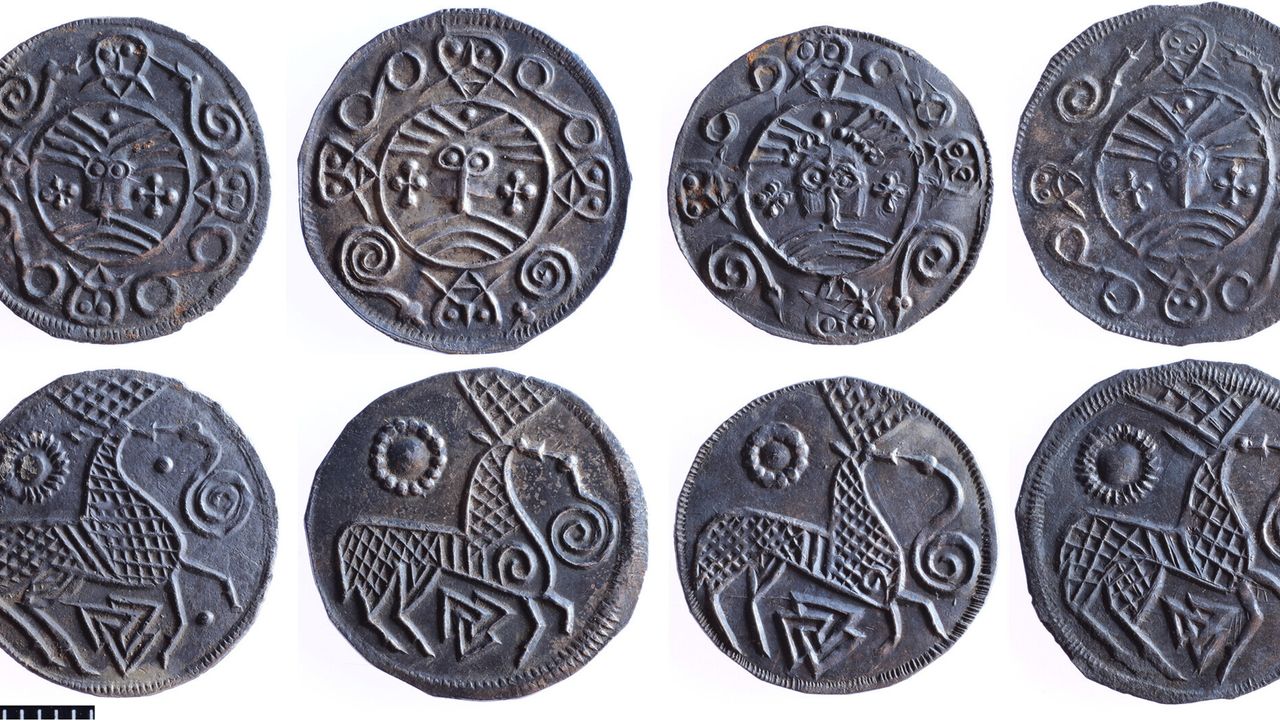
The silver in a Viking Age hoard found in Denmark was from melted-down coins from the faraway Islamic world, a new study finds.
Live Science — 15 June 2026
Text:
27
0
0
The silver in a Viking Age hoard found in Denmark was from melted-down coins from the faraway Islamic world, a new study finds. This report comes fro
Read Full Story at Live Science →
⚡ Quickyla Analysis
Original editorial context — not sourced from the article above
The discovery that Viking Age silver pennies in Denmark were struck from melted Islamic coins reshapes our understanding of early medieval Europe’s economic integration. Beyond the striking image of Viking smiths recasting dirhams into their own currency, this finding underscores a long-overlooked reality: by the 8th and 9th centuries, the Viking world was deeply entangled in a vast trade network stretching from the Caspian Sea to the North Atlantic. Silver dirhams, minted across the Abbasid Caliphate and its successor states, became a global reserve currency, circulating as far west as Scandinavia. Their presence in Viking hoards isn’t just evidence of trade—it reflects how these raiders and traders, often reduced to stereotypes as isolated pagans, were in fact embedded in a sophisticated financial system that predated Europe’s own monetary revival.
What makes this discovery particularly significant is its timing. The Viking Age coincided with the Islamic world’s peak in silver production, particularly after the discovery of new mines in Central Asia. The dirham’s high silver content made it highly desirable, not just for direct trade but as a medium of exchange in Viking settlements from Russia to Ireland. Yet the fact that these coins were melted down suggests a shortage of raw silver in Scandinavia itself—a reminder that even the Vikings, despite their raids, relied on external sources for their most basic economic needs. This dependency challenges the romanticized notion of Viking self-sufficiency and highlights how globalization, in its most literal sense, predates the modern era by centuries.
The study also raises critical questions about the mechanics of this trade. How did Viking silversmiths acquire these coins? Were they obtained through peaceful commerce, tribute payments, or looted from targets along the Volga trade route? And why would they choose to melt down coins bearing Arabic inscriptions—some of which were religious texts—only to reissue them under their own designs? The answers could reveal more about Viking religious syncretism, their attitudes toward foreign authority, or even the practical challenges of minting their own silver currency.
Looking ahead, further isotope analysis of Viking silver hoards could map the precise origins of their bullion, tracing whether the dirhams came from Samarkand, Baghdad, or the Caucasus. If patterns emerge, they might force a reevaluation of how early Europe’s monetary systems were shaped by distant empires—long before the Renaissance or the rise of the Atlantic trade.
Sources

🔬 Science
'Astonishing': James Webb telescope spots the most chemically primitive galaxy in the ancient universe

🔬 Science
El Niño Is Underway

🔬 Science
Astronomers gaze into the 'Crystal Ball Nebula' and see a vision of our dying sun — Space photo of the week

🔬 Science
Bacteria uncover distinct strategy to import rare sugar polymers, crystal structures show

🔬 Science
NASA Awards Contract for Johnson Space Center Infrastructure

🔬 Science
Repairing DNA damage: Scientists discover a surprising new benefit of melatonin

