🌱 Environment
Live
Microsoft’s Clean Energy Reversal Collides with Virginia’s Climate Goals
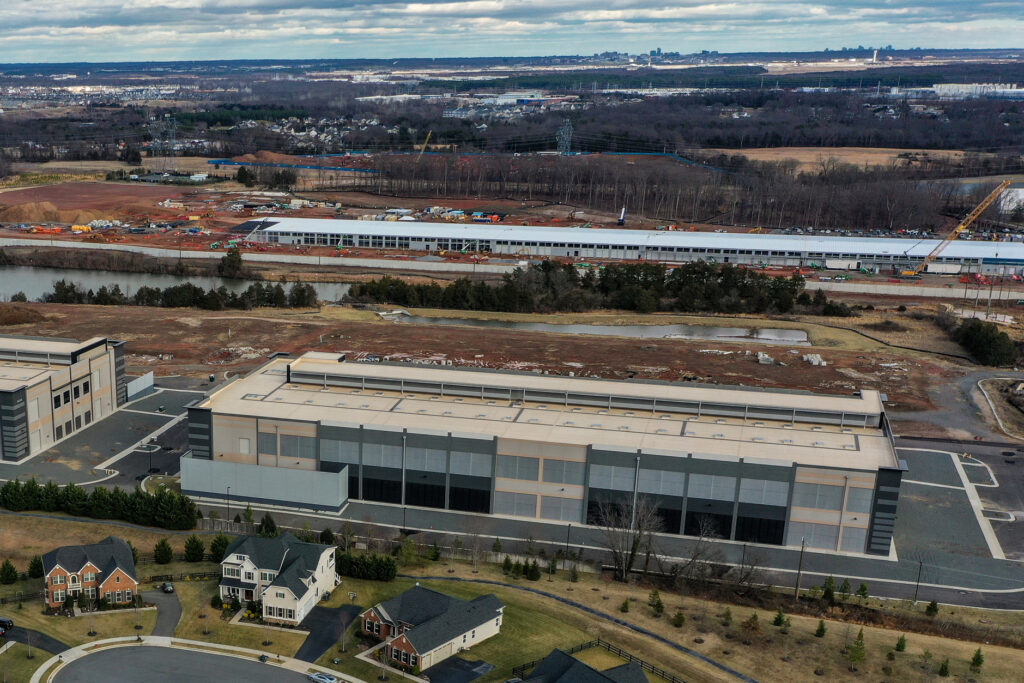
One of the world’s most profitable technology companies could be abandoning an ambitious clean-energy goal in Virginia as it races to build electricity-hungry data centers. Several of the company’s f…
Inside Climate News — 15 June 2026
Text:
25
0
0
One of the world’s most profitable technology companies could be abandoning an ambitious clean-energy goal in Virginia as it races to build electricit
Read Full Story at Inside Climate News →
⚡ Quickyla Analysis
Original editorial context — not sourced from the article above
Microsoft’s decision to scale back its clean-energy commitments in Virginia amid a surge in data center construction reflects a growing tension between corporate sustainability pledges and the realities of energy-intensive digital infrastructure. The company’s initial promise to power its Virginia operations entirely with carbon-free energy by 2025 now appears in jeopardy as it races to meet the surging demand for AI and cloud services. This shift is more than just a corporate misstep—it highlights the fragility of green energy targets when faced with unrelenting growth in data consumption and the limitations of current renewable energy infrastructure.
Virginia has emerged as a critical battleground in the tech industry’s energy dilemma. The state’s business-friendly policies and robust power grid have lured tech giants like Microsoft, Amazon, and Google, all of which have made ambitious climate commitments while simultaneously expanding energy-hungry facilities. Yet Virginia’s grid still relies heavily on natural gas and coal, and its renewable energy capacity, though growing, hasn’t kept pace with the explosive demand from data centers. This creates a paradox: corporations touting net-zero goals are inadvertently deepening the state’s dependence on fossil fuels to power their operations.
The broader implications are stark. The tech sector, often seen as a leader in sustainability, is now caught between its own growth imperatives and the urgent need to decarbonize. Microsoft’s reversal suggests that even well-intentioned climate goals may falter when economic pressures mount, raising questions about the viability of voluntary corporate commitments without stronger regulatory enforcement or grid-scale solutions. Virginia’s climate goals—such as its 2045 net-zero target—risk being undermined unless policymakers can bridge the gap between corporate energy appetites and the state’s transition to renewables.
What happens next could set a precedent. Will Virginia regulators push back, or will they prioritize economic expansion over climate targets? Could other tech giants follow Microsoft’s lead, forcing a reevaluation of industry-wide sustainability strategies? And crucially, will the energy grid evolve fast enough to reconcile these competing demands? The answers will shape not just Virginia’s energy future, but the broader trajectory of the digital economy’s sustainability fight.
Sources

🌱 Environment
Erin Brockovich criticizes Microsoft data center secrecy in Utah

🌱 Environment
Trump’s EPA Unlawfully Cancelled Environmental Justice Grants, Judge Rules

🌱 Environment
Rescues in eastern Syria after the Euphrates River bursts its banks

🌱 Environment
Biden’s Clean Drinking Water Plan Is Being Rebranded as MAHA

🌱 Environment
Indonesians mark 20 years since mud volcano eruption swallowed up entire communities in East Java

🌱 Environment
Heat is Killing Wildlife Across the Animal Kingdom. A New Forecasting Tool May Help

