🔬 Science
Live
Millions take calcium and vitamin D for stronger bones. A major review finds little benefit
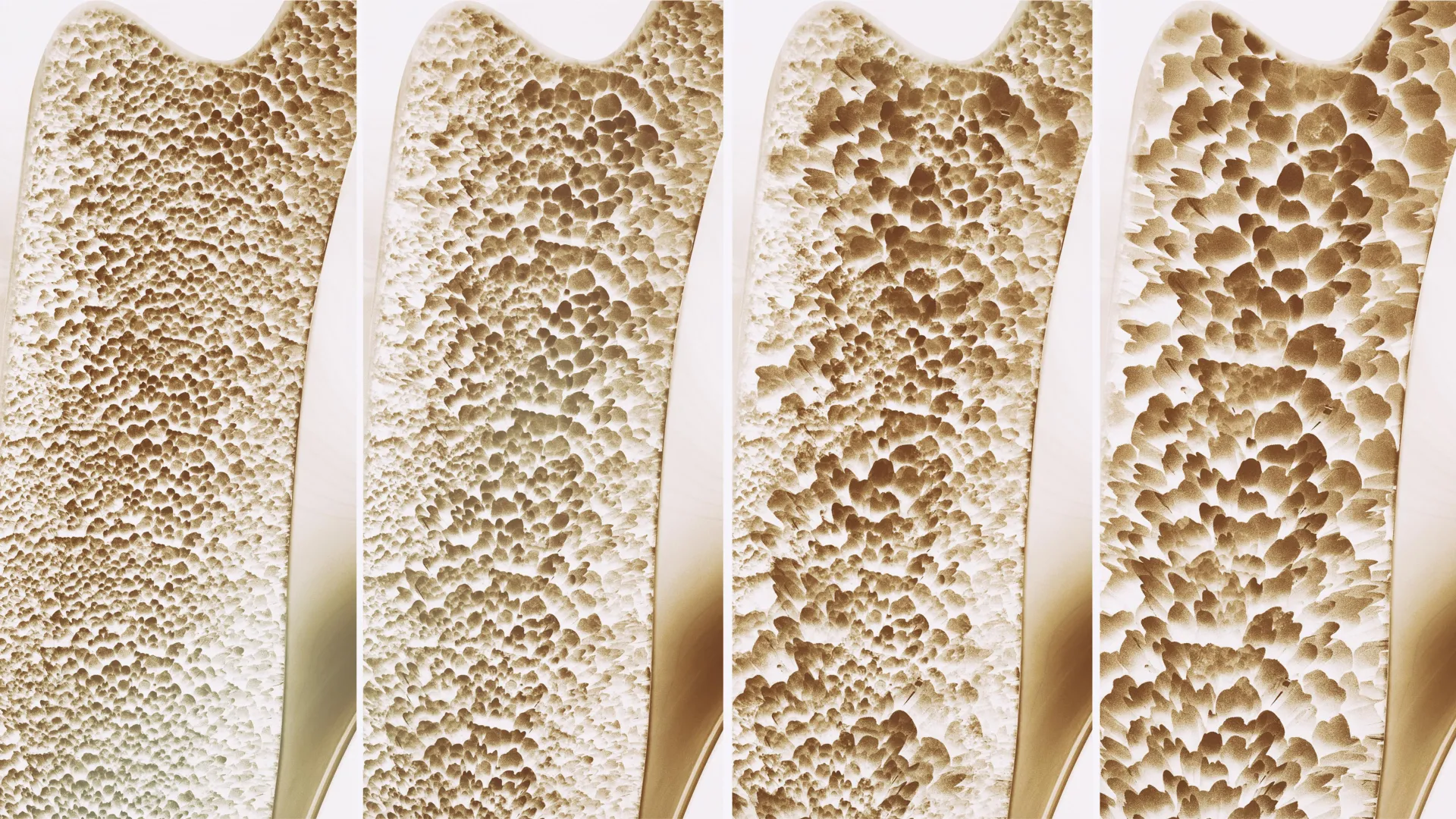
For years, calcium and vitamin D supplements have been promoted as a simple way for older adults to protect their bones and prevent falls. But a massive review of nearly 154,000 people found that cal…
ScienceDaily — 15 June 2026
Text:
7
0
0
For years, calcium and vitamin D supplements have been promoted as a simple way for older adults to protect their bones and prevent falls. But a massi
Read Full Story at ScienceDaily →
⚡ Quickyla Analysis
Original editorial context — not sourced from the article above
The revelation that calcium and vitamin D supplements—long marketed as essential for bone health—may offer little benefit to millions of older adults challenges a decades-old health orthodoxy. This isn’t just a medical quibble; it’s a cultural phenomenon. Generations have been told that chalky tablets could ward off osteoporosis and fractures, creating a multibillion-dollar industry built on prevention. The sheer scale of the review, encompassing nearly 154,000 participants, lends weight to its counterintuitive findings, suggesting that the supplements’ popularity may stem more from marketing than medical necessity.
For decades, public health campaigns and medical guidelines have treated calcium and vitamin D as a one-size-fits-all solution for aging bones, often without scrutinizing their actual effectiveness. The assumption was that more intake equaled stronger bones, but real-world outcomes tell a different story. Fractures remain a leading cause of disability among older adults, despite widespread supplement use, raising questions about whether the focus on these nutrients has distracted from more impactful prevention strategies—like weight-bearing exercise, fall-risk reduction, or dietary protein intake. Meanwhile, the supplements themselves carry risks: excessive calcium, for instance, has been linked to cardiovascular issues, while vitamin D toxicity can cause kidney damage, turning a well-intentioned habit into a potential liability.
What happens next will hinge on how aggressively medical institutions and policymakers pivot. Will clinical guidelines be revised to deprioritize supplements in favor of proven interventions? Could this shift redirect research funds toward more nuanced approaches, such as personalized nutrition or addressing root causes like sarcopenia (age-related muscle loss)? Public perception may lag behind the science, but the erosion of confidence in these supplements could prompt a reckoning with the broader supplement industry, where efficacy often takes a backseat to profit.
This isn’t an isolated debate—it reflects a growing skepticism toward silver-bullet health solutions. As nutrition science evolves, the lesson may be that no single nutrient or pill can replace the complexity of human biology. For older adults, the takeaway is clear: the strongest bones might not come from a bottle, but from a well-rounded approach to movement, diet, and risk management. The challenge now is translating that knowledge into real-world change before the next miracle supplement takes its place.
Sources

🔬 Science
El Niño Is Underway

🔬 Science
'Astonishing': James Webb telescope spots the most chemically primitive galaxy in the ancient universe

🔬 Science
Astronomers gaze into the 'Crystal Ball Nebula' and see a vision of our dying sun — Space photo of the week

🔬 Science
NASA Awards Contract for Johnson Space Center Infrastructure

🔬 Science
Bacteria uncover distinct strategy to import rare sugar polymers, crystal structures show

🔬 Science
Putin's quest to avoid the grim reaper: What’s behind the $26 Billion longevity programme?

