MIT’s new spacecraft engine could send tiny satellites to Mars
MIT researchers have shown that one fuel can power both chemical and electric spacecraft thrusters, potentially transforming what small satellites can do. The approach combines quick bursts of speed …
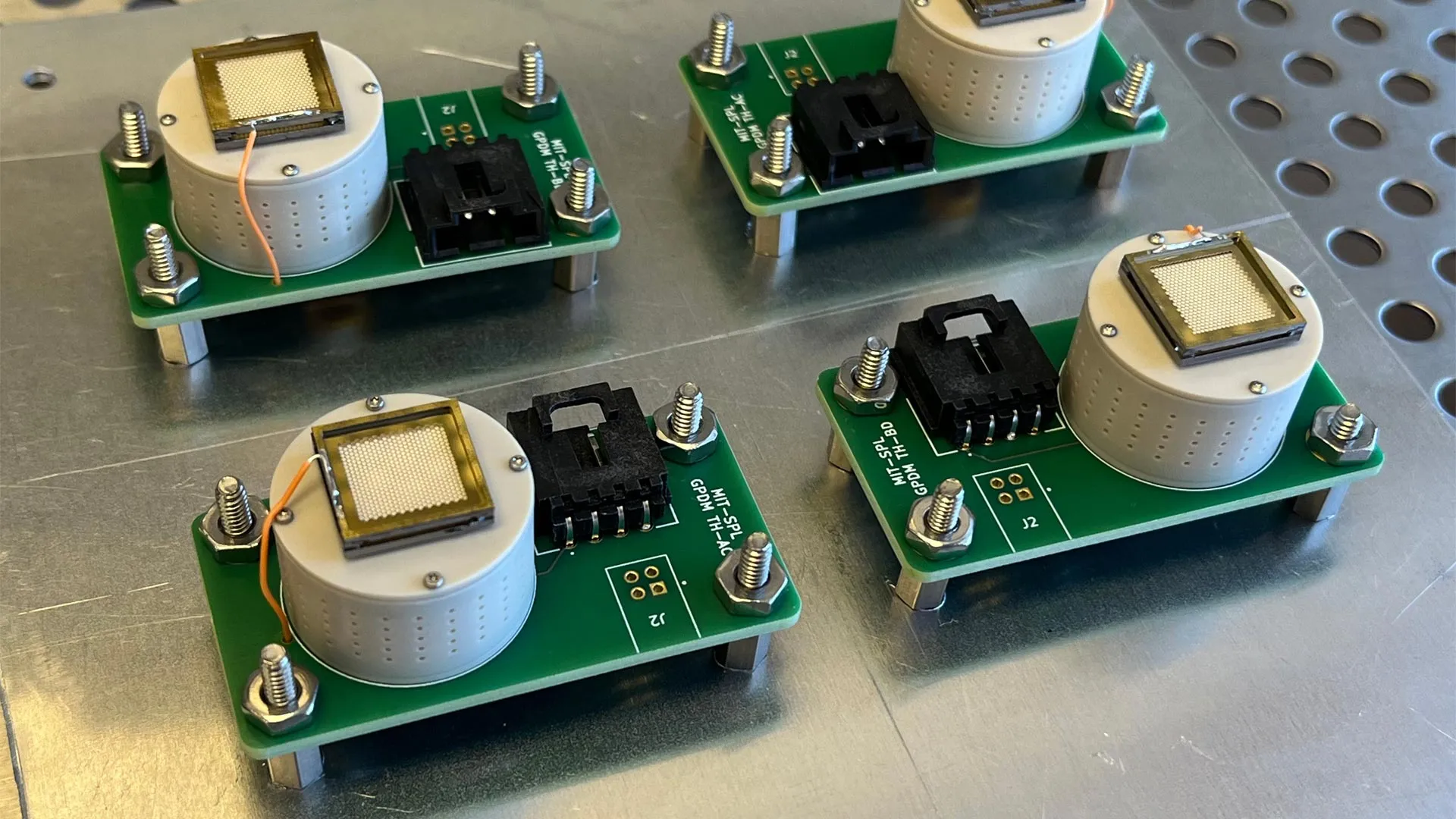
MIT researchers have shown that one fuel can power both chemical and electric spacecraft thrusters, potentially transforming what small satellites can
Read Full Story at ScienceDaily →Why This Matters
The breakthrough eliminates a long-standing limitation in satellite propulsion, where chemical and electric thrusters typically required separate fuel systems. This dual-mode capability could slash mission costs for Mars-bound CubeSats, making interplanetary exploration suddenly accessible to small-scale research teams and commercial ventures. The innovation also hints at a future where satellites could switch between high-thrust maneuvers and precise orbital adjustments without carrying redundant fuel tanks.
Background Context
CubeSats, standardized toaster-sized satellites, have revolutionized low-Earth orbit research but remain largely confined to our planet’s vicinity due to propulsion constraints. Current Mars missions rely on heavy chemical thrusters or separate electric propulsion systems, each with trade-offs in efficiency and power. The MIT team’s approach builds on years of research into ionic liquids, a class of salts that remain liquid at room temperature and can serve as both propellant and electrolyte.
What Happens Next
Engineers will likely race to prototype the system for real-world testing, with NASA’s upcoming Mars mission slots serving as early proving grounds. Regulatory hurdles around dual-mode propulsion could emerge, as space agencies scrutinize fuel safety and mission reliability. The technology’s scalability may hinge on whether the ionic liquid can maintain stability over multi-month interplanetary flights.
Bigger Picture
This development aligns with the accelerating democratization of space, where small satellites are transitioning from educational tools to primary exploratory platforms. It also reflects a broader shift toward "multi-modal" systems in aerospace, mirroring trends in aviation and robotics where single components serve multiple functions. The innovation could accelerate the timeline for human missions to Mars by enabling smaller, more agile support spacecraft.






