Most people who stop GLP-1 drugs like Ozempic eventually return
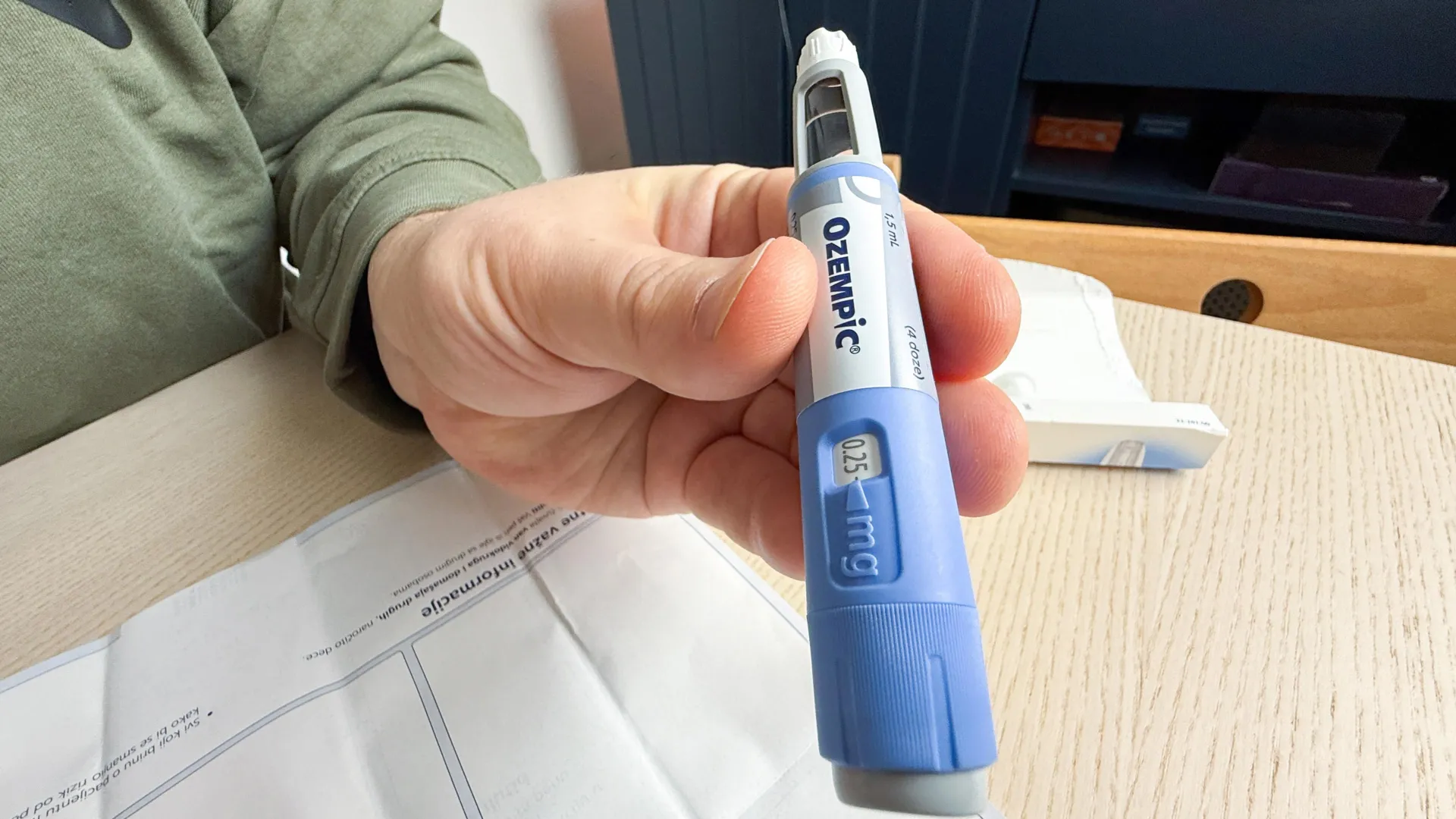
Many people prescribed GLP-1 drugs for type 2 diabetes (such as Victoza, Ozempic, or tirzepatide) stop taking them, but a surprising number later return to treatment. Researchers found that newer med…
ScienceDaily — 16 June 2026
Text:
19
0
0
Many people prescribed GLP-1 drugs for type 2 diabetes (such as Victoza, Ozempic, or tirzepatide) stop taking them, but a surprising number later retu
Read Full Story at ScienceDaily →
⚡ Quickyla Analysis
Original editorial context — not sourced from the article above
The persistence of GLP-1 medications like Ozempic and Mounjaro in patients’ lives—even after discontinuation—highlights a paradox in modern chronic disease management. These drugs, initially developed for type 2 diabetes, have reshaped expectations around weight loss and metabolic health, yet their long-term use remains inconsistent. Research showing that most patients return to treatment after stopping suggests that GLP-1s are not just a passing trend but a fundamental shift in how society views obesity and diabetes. Unlike traditional treatments that patients might abandon once symptoms ease, GLP-1s often become a lifelong necessity for many because the underlying conditions they target—insulin resistance, appetite dysregulation, and metabolic dysfunction—rarely resolve permanently. This underscores a growing recognition that obesity and diabetes are chronic, relapsing disorders rather than temporary ailments, challenging the historical view of weight management as a matter of willpower alone.
What makes this pattern particularly significant is the drug class’s rapid evolution. Early GLP-1s like liraglutide (Victoza) required daily injections and had modest effects, but newer formulations—such as semaglutide (Ozempic, Wegovy) and tirzepatide (Mounjaro)—deliver stronger results with once-weekly dosing. Patients who stop often return because the weight they regain or the blood sugar they lose control of is more pronounced than with older therapies, leaving them with few alternatives. This cycle raises questions about patient education: Are people fully aware that stopping isn’t a permanent departure from treatment? Do clinicians adequately prepare them for the likelihood of restarting?
The broader implications are economic and social. As GLP-1s become more accessible (and expensive), insurers and employers are grappling with how to cover a drug that may see patients cycling on and off indefinitely. Meanwhile, the cultural conversation around these medications is still catching up—stigma persists around using "diabetes drugs" for weight loss, even as their benefits become undeniable. The bigger question is whether this return-to-treatment trend will normalize the idea of chronic metabolic medication, paving the way for even more innovative (and costly) therapies down the line. For now, the data suggests that GLP-1s aren’t just a fleeting solution but a cornerstone of future healthcare—one that demands a reckoning with how society treats obesity and diabetes alike.
Sources

🔬 Science
'Astonishing': James Webb telescope spots the most chemically primitive galaxy in the ancient universe

🔬 Science
El Niño Is Underway

🔬 Science
Astronomers gaze into the 'Crystal Ball Nebula' and see a vision of our dying sun — Space photo of the week

🔬 Science
Bacteria uncover distinct strategy to import rare sugar polymers, crystal structures show

🔬 Science
NASA Awards Contract for Johnson Space Center Infrastructure

🔬 Science
Repairing DNA damage: Scientists discover a surprising new benefit of melatonin

