🌍 World News
Live
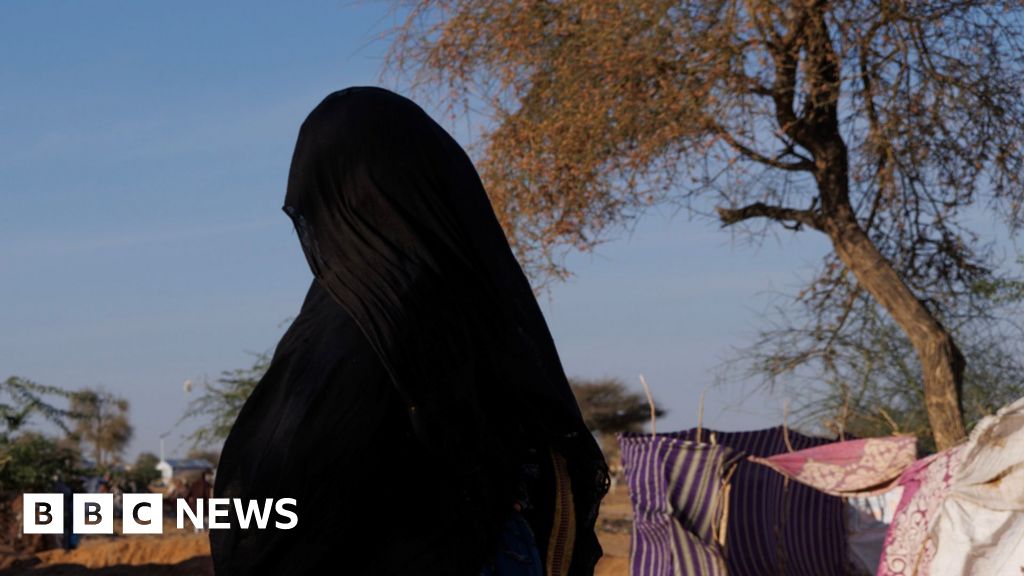
MSF staff abused Sudanese refugees in sex-for-food scandal
Medical charity Doctors Without Borders (MSF) admits its staff were accused of sexually abusing at least 59 Sudanese refugees who had fled the civil war in search of safety. Young girls were exploit…
BBC World News — 15 June 2026
Text:
36
0
0
Medical charity Doctors Without Borders (MSF) admits its staff were accused of sexually abusing at least 59 Sudanese refugees who had fled the civil w
Read Full Story at BBC World News →
⚡ Quickyla Analysis
Original editorial context — not sourced from the article above
The revelation that staff from Doctors Without Borders (MSF) allegedly exploited Sudanese refugees—particularly young girls—in a sex-for-food scandal is more than an isolated breach of trust. It strikes at the heart of the humanitarian sector’s moral authority, a crisis that risks undermining one of the few pillars of stability in war-torn regions. Aid organizations operate under the premise that their presence offers protection, not predation, yet these allegations suggest a disturbing inversion of that principle. For a sector that relies on donor confidence and the consent of the communities it serves, such abuses erode credibility at a time when humanitarian crises are intensifying globally. The fallout could extend beyond MSF itself, casting doubt on the integrity of aid work in conflict zones where access is already constrained by violence and mistrust.
The context of Sudan’s civil war adds another layer of severity. Since the power struggle between the Sudanese Armed Forces and the Rapid Support Forces erupted in April 2023, over 10 million people have been displaced, with many fleeing to neighboring Chad, Egypt, and South Sudan. Refugee camps, already overcrowded and under-resourced, become magnets for exploitation when basic survival—food, shelter, medical care—hinges on the whims of those in power. Previous scandals involving UN peacekeepers and NGO workers in similar settings have shown how power imbalances in crisis situations create fertile ground for abuse. Yet the sheer scale of these MSF allegations, involving dozens of victims, suggests systemic failures in safeguarding, training, or oversight.
What remains unclear is how deeply this issue is embedded within MSF’s operations. Were these isolated incidents, or do they reflect broader cultural or structural problems within the organization? Investigations must determine whether the abuse was opportunistic or part of a systemic pattern. Equally pressing is the question of accountability—not just for those directly involved, but for the leadership that failed to prevent such exploitation. Donors and the public will demand transparency, but the real test will be whether MSF’s response goes beyond public statements to include independent oversight and reparative measures for survivors.
This scandal also forces a reckoning with the broader humanitarian industry. As crises grow more protracted and funding more scarce, the pressure to deliver aid—quickly and in volume—can sometimes outpace ethical safeguards. The case underscores the need for stronger, enforceable accountability mechanisms across all aid organizations, not just MSF. Without them, the very people these groups aim to help may find themselves trapped in a new kind of violence.
Sources

🌍 World News
Man fleeing police attacked by alligator before continuing his getaway, Louisiana authorities say
🌍 World News
US crude exports hit record high in May as Iran war tightens global oil supplies

🌍 World News
Agitators outside Delaney Hall set up organized logistics operation before Newark protests began

🌍 World News
French doctors sound alarm over drinking water pollution

🌍 World News
Iran, Kuwait, Bahrain hit: Is the war in the Gulf escalating again?

🌍 World News
Four people trapped in flooded cave in Laos pulled to safety

