🕌 Religion & Faith
Live
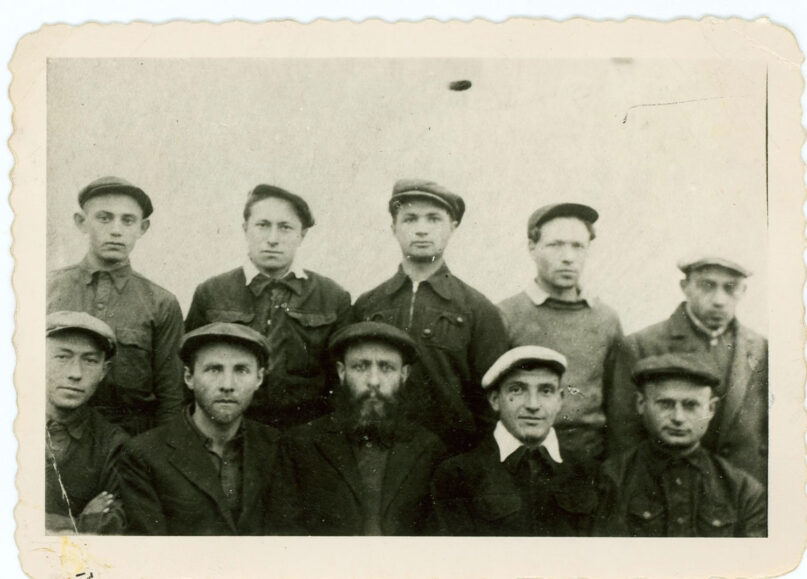
My father carried his Holocaust story his entire life. He never asked us to carry it, too.
(RNS) — It was only as an adult living with my own family that I learned about my father’s youth.
Religion News Service — 17 June 2026
Text:
32
0
0
(RNS) — It was only as an adult living with my own family that I learned about my father’s youth. This report comes from Religion News Service. The s
Read Full Story at Religion News Service →
⚡ Quickyla Analysis
Original editorial context — not sourced from the article above
The silence of a survivor is not the absence of trauma but its most haunting echo. A recent reflection on carrying a parent’s Holocaust history underscores how collective wounds persist long after the last gunshot. For many second-generation witnesses—those raised by parents who survived genocide—the burden is often unspoken, passed down not through demands but through the quiet weight of a life shaped by loss. The story of a father who never asked his children to carry his past yet unknowingly shaped it anyway speaks to a broader, often underdiscussed reality: the intergenerational transmission of memory when silence is the only language available.
Historically, Holocaust survivors who settled in new lands often prioritized survival over storytelling, believing protection lay in suppressing pain rather than reliving it. Yet their children, growing up amid prosperity and safety, often found themselves navigating an emotional terrain their parents had tried to shield them from. The absence of narratives is itself a narrative—a gap filled by imagination, guilt, or the quiet assumption that some horrors are too sacred to share. This dynamic reflects a larger pattern seen in post-conflict societies: the way trauma reverberates through generations, even when the original trauma is not directly named.
What remains unclear is how contemporary families might begin to bridge this divide. As Holocaust survivors age and pass away, their stories risk fading into oral history unless actively preserved. Yet the pressure to "bear witness" can feel like another form of burden, especially when the next generation feels unprepared or unwilling to carry it. This tension mirrors broader debates in transitional justice—how societies reconcile with atrocity without forcing survivors into perpetual roles as living monuments.
The open question is whether younger generations will find ways to honor these stories without being consumed by them, whether through archival work, creative expression, or simply acknowledging the weight of what was never said. In an era where historical memory is both commodified and contested, the most urgent task may be learning how to listen—not just to the survivors, but to the silence they left behind.
Sources

🕌 Religion & Faith
Defense Department rejiggers list of recognized religions after backlash, narrows it to 30

🕌 Religion & Faith
Odiong guilty in Texas: Questions remain for several Church leaders

🕌 Religion & Faith
Trump’s latest attack on Leo XIV isn’t really about the pope

🕌 Religion & Faith
Pope Leo XIII updates just war theory
🕌 Religion & Faith
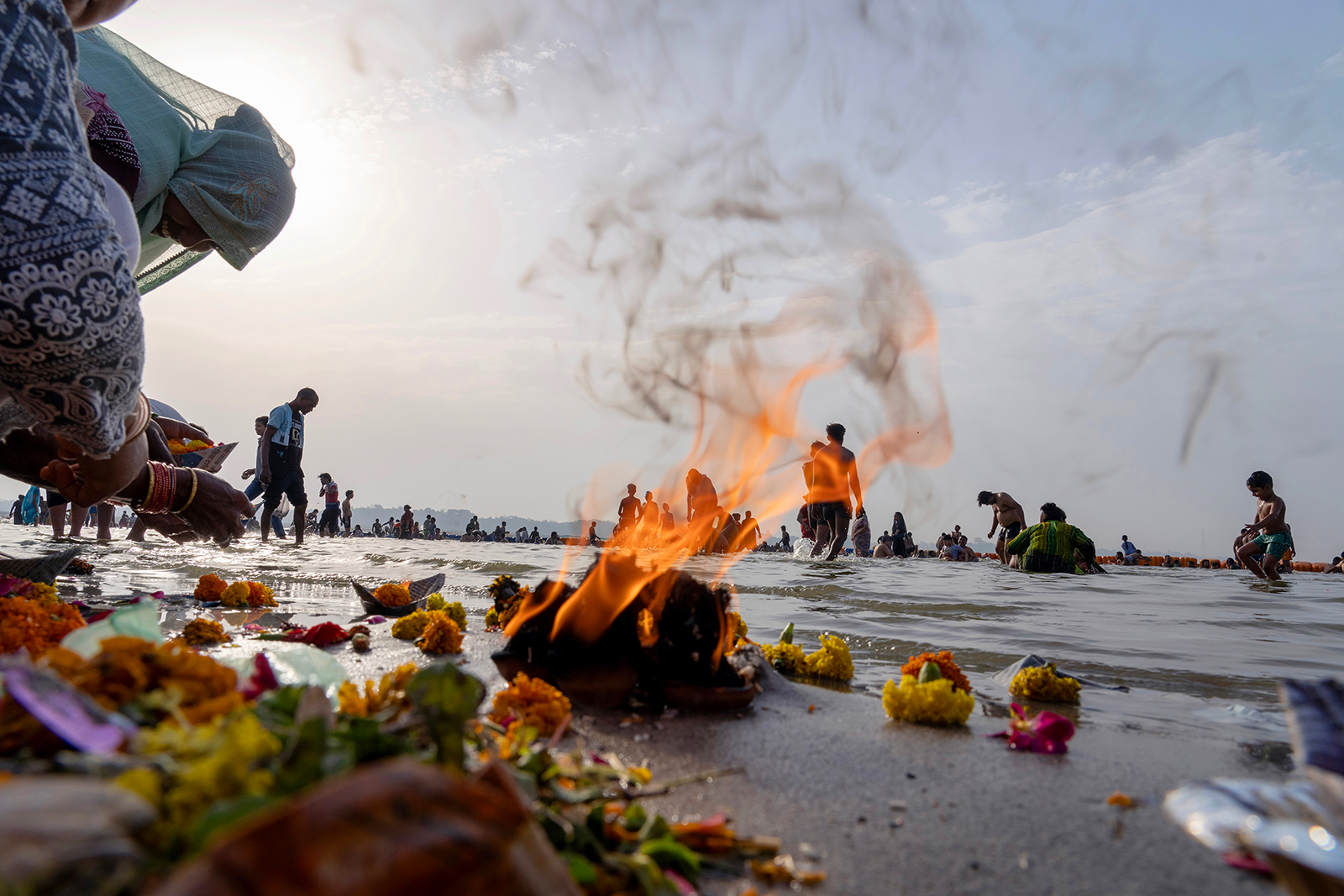
Photos of the Week: Ebola responses, end of Hajj
🕌 Religion & Faith
High hopes, many challenges for Bangladesh’s first Indigenous Catholic MP

