NASA astronauts briefly shelter in 'safe haven' procedure following worsening leaks on International Space Station
A brief leak scare on the International Space Station complicates NASA and Congress' plans to extend the station's lifespan to at least 2032.
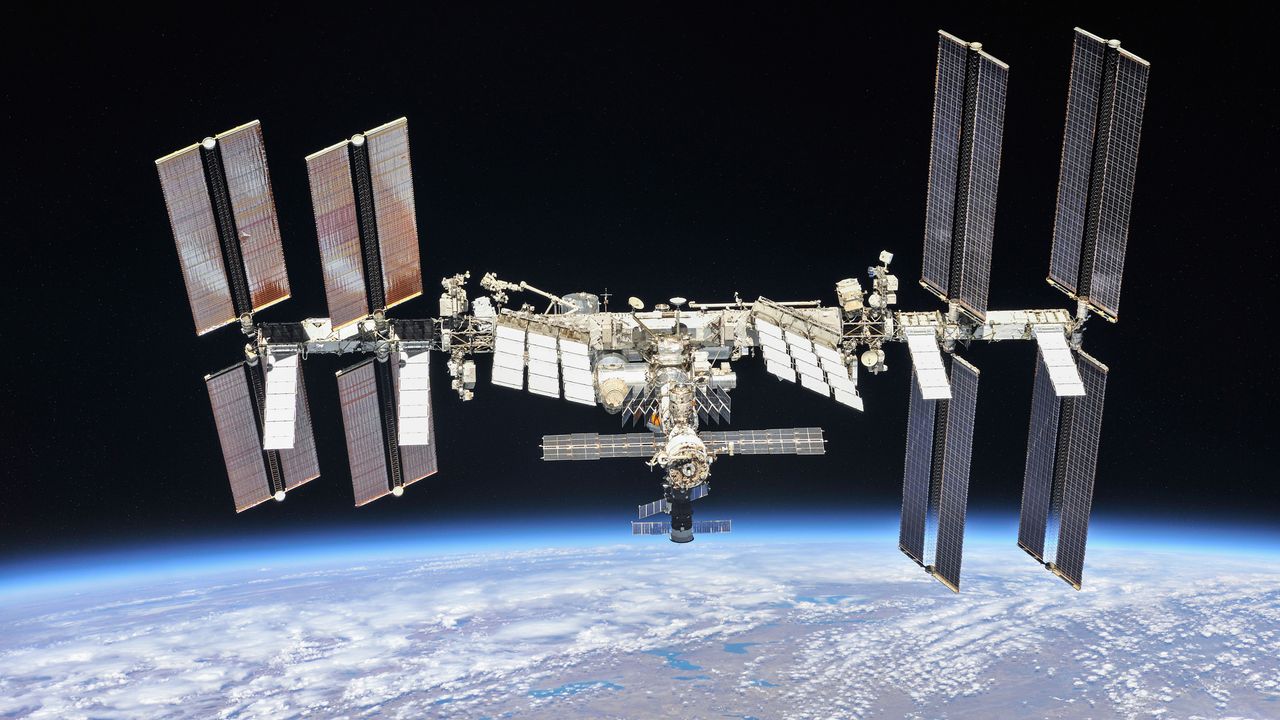
A brief leak scare on the International Space Station complicates NASA and Congress' plans to extend the station's lifespan to at least 2032. This re
Read Full Story at Live Science →Why This Matters
The latest leak scare on the International Space Station (ISS) underscores the growing fragility of aging orbital infrastructure, raising questions about the feasibility of extending its operational lifespan to 2032. With NASA and Congress already debating the financial and logistical challenges of sustaining the station, such incidents highlight the risks of relying on decades-old systems to support future missions, including Artemis and commercial spaceflight partnerships.
Background Context
The ISS has faced persistent technical issues in recent years, with leaks—some minor and others more concerning—becoming increasingly frequent as the station enters its third decade. The Russian segment has been particularly vulnerable, with past incidents including a 2018 drill hole and a 2020 air leak that remained unresolved for months. Meanwhile, NASA’s push to extend the ISS’s life through 2032 is not universally backed, as critics argue the funds could be better spent on lunar and Martian exploration infrastructure.
What Happens Next
NASA will likely accelerate safety reviews and potential repairs, but the timing complicates already strained budgets and diplomatic tensions with international partners. If the leaks worsen, Congress may face pressure to reassess funding for the ISS or accelerate plans for commercial replacements like Axiom Station or Orbital Reef. Meanwhile, astronauts on the ISS must balance routine maintenance with the added workload of leak mitigation, testing both human resilience and robotic repair capabilities.
Bigger Picture
This incident reflects a broader trend in spaceflight: the transition from short-term missions to long-term infrastructure maintenance, where reliability is no longer optional. As governments and private companies invest in lunar and deep-space habitats, the ISS serves as a cautionary tale about the hidden costs of maintaining aging orbital assets. The episode also spotlights the geopolitical complexities of space cooperation, as leaks and other issues risk straining partnerships amid rising competition with China’s Tiangong station.






