NASA refines Orion from Artemis II lessons for Moon and Mars missions
NASA is using lessons from Artemis II's 10-day lunar fly-by to improve Orion for Artemis III and future Mars missions, addressing issues like thermal tile wear and avionics overheating. These adjustme
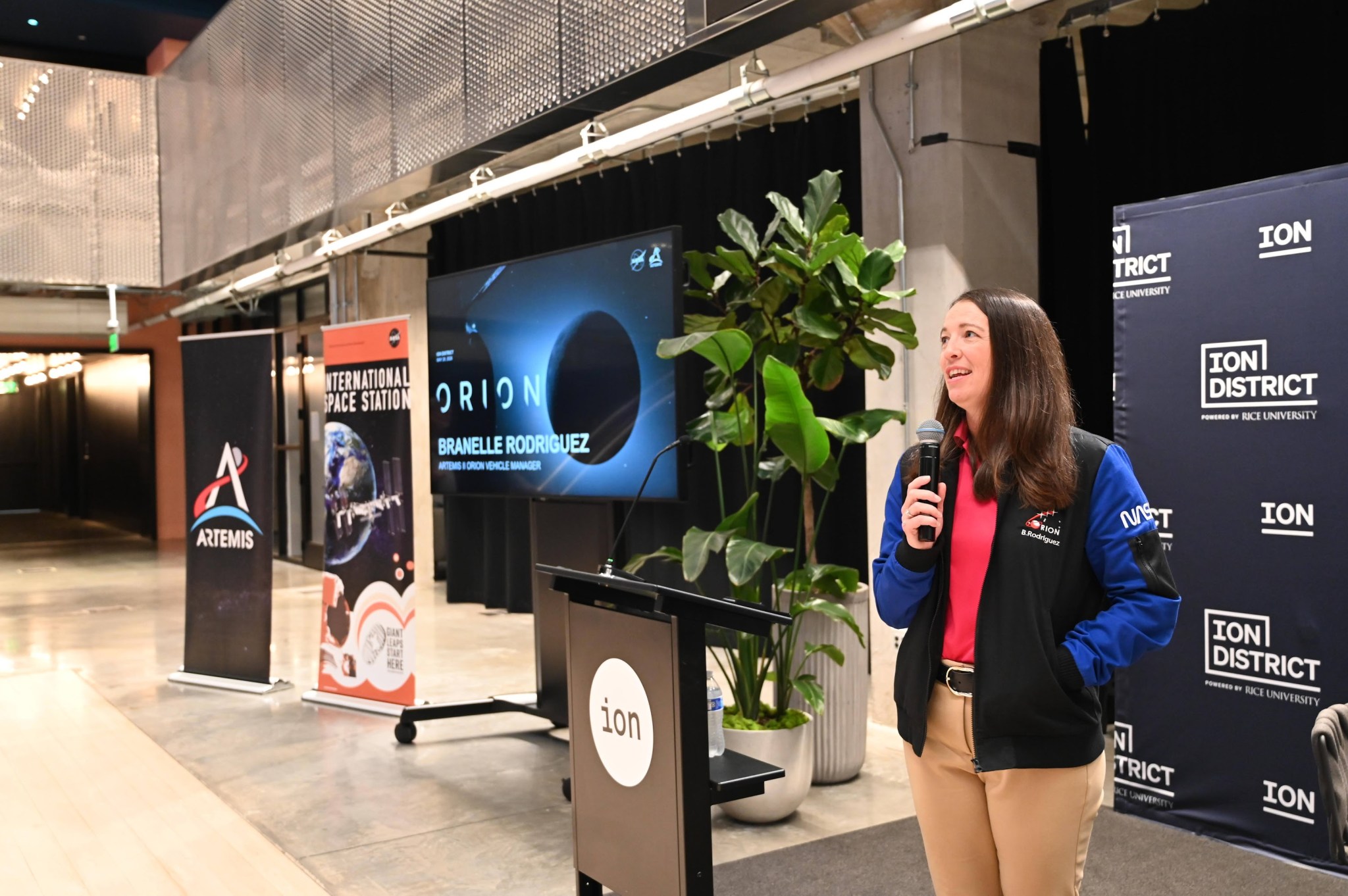
NASA has finished dissecting the Artemis II Orion capsule and is already using lessons from the 10-day trip to fine-tune the next lander-bound mission
Read Full Story at NASA →Why This Matters
The Artemis II mission serves as a critical inflection point for NASA’s long-term ambitions, proving that lunar exploration is not merely a relic of the Apollo era but a stepping stone toward Mars. The thermal and avionics challenges encountered during the mission underscore the unforgiving physics of deep-space travel, where even minor deviations can cascade into mission-critical failures. These lessons are reshaping Orion’s design in ways that will define humanity’s next giant leap—whether to the Moon or the Red Planet.
Background Context
Orion’s thermal protection system, a descendant of Apollo’s heat shields, was expected to withstand re-entry after a high-speed lunar return, but the wear patterns on Artemis II suggest the margins are narrower than anticipated. Meanwhile, avionics overheating—a problem Apollo sidestepped with simpler systems—has resurfaced as a bottleneck in an era of miniaturized, high-powered electronics. These issues reflect a broader tension: NASA’s push to reuse Orion for multiple missions is colliding with the harsh realities of deep-space endurance.
What Happens Next
Engineers will likely prioritize material upgrades for Orion’s heat shield, potentially borrowing from commercial aerospace innovations in ablative composites. The avionics fixes may involve more aggressive thermal management, such as heat pipes or active cooling—trade-offs that could add weight or complexity. Meanwhile, Artemis III’s schedule remains a moving target, with NASA’s credibility hinging on whether these fixes prevent further delays in the agency’s Moon-to-Mars timeline.
Bigger Picture
This mission is part of a broader shift where NASA is no longer the sole innovator but a systems integrator, relying on commercial partners like SpaceX and Lockheed Martin to deliver solutions. The thermal and avionics challenges also highlight a paradox of modern spaceflight: as missions grow more ambitious, the technology required to execute them often lags behind due to budget constraints and risk aversion. The lessons from Artemis II may ultimately determine whether the agency’s Mars dreams stay on paper or become a reality.







