NASA Finds New Way Earth May Have Received Elements Needed for Life
NASA-supported scientists have provided new information about how the early Earth may have acquired some elements necessary for the planet to become habitable. They also suggest a new role for Jupite…
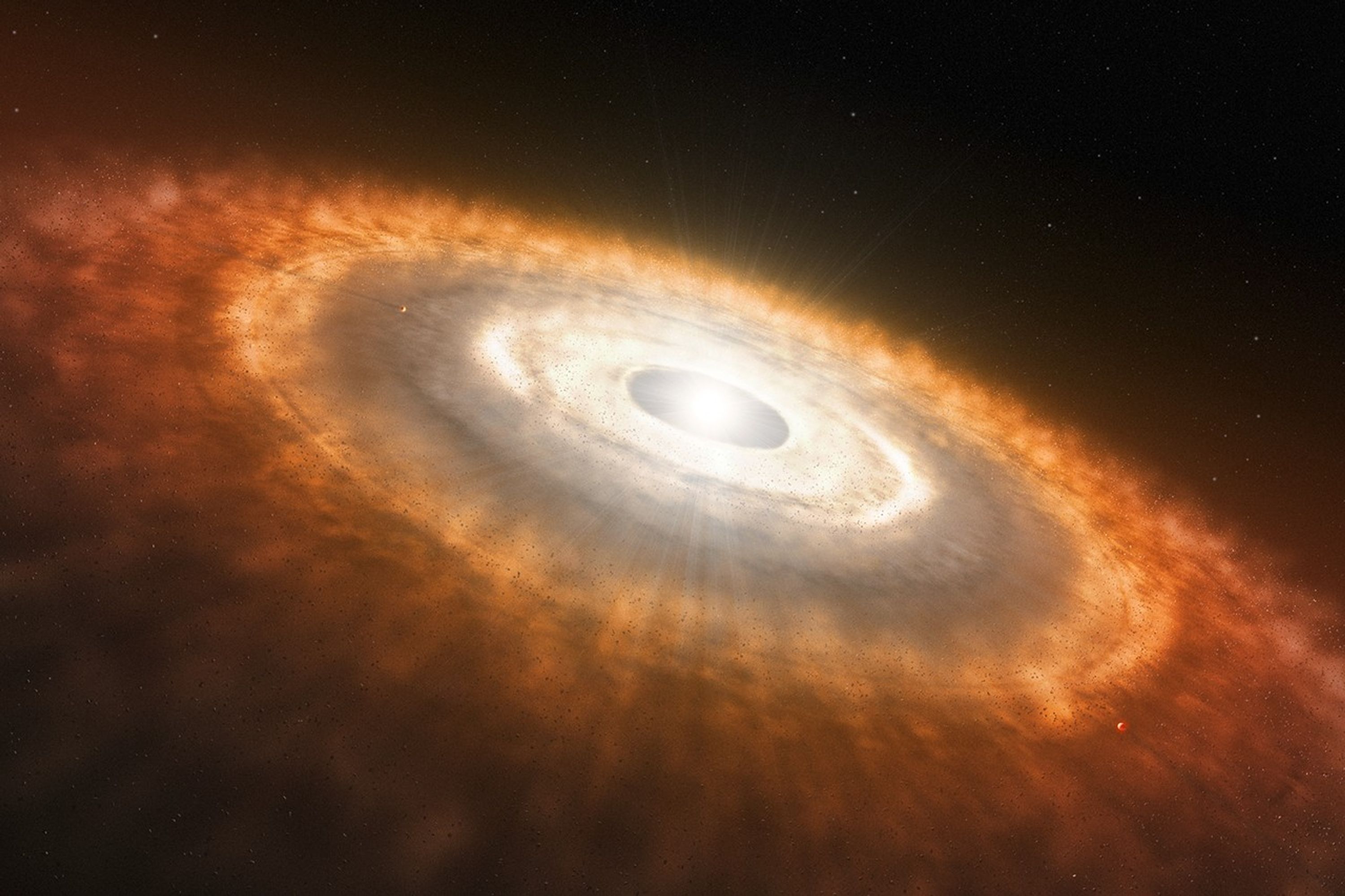
NASA-supported scientists have provided new information about how the early Earth may have acquired some elements necessary for the planet to become h
Read Full Story at NASA →Why This Matters
The discovery challenges long-held assumptions about Earth's early chemical makeup, suggesting that planetary formation processes may be more dynamic—and less predictable—than previously thought. If Jupiter's gravitational influence played a pivotal role in delivering life's building blocks, it forces a reevaluation of how habitable worlds form beyond our solar system, reshaping the search for extraterrestrial life.
Background Context
For decades, scientists debated whether Earth's volatile elements, like carbon and nitrogen, arrived via comets or asteroids in the late stages of formation. The new NASA-supported research introduces a third mechanism: gravitational scattering by gas giants like Jupiter, which may have hurled icy planetesimals inward during the solar system's chaotic youth.
What Happens Next
Planetary scientists will likely refine models of giant planet migration and its impact on inner solar system chemistry, while exoplanet hunters may prioritize systems where Jupiter-like planets are positioned to deliver volatiles. Expect renewed scrutiny of meteorite compositions and simulations of early solar system dynamics to test these findings.
Bigger Picture
This research aligns with a growing recognition that "Goldilocks zones" aren't just about stellar distance but also about the gravitational sculpting of planetary systems. As missions like JUICE and Europa Clipper probe Jupiter's moons for subsurface oceans, the line between habitability and delivery mechanisms blurs—deepening the mystery of how rare life-bearing worlds might truly be.







