NASA Invites Media to See Roman Space Telescope Arrive at Kennedy
Registration is open for media to cover the arrival of NASA’s Nancy Grace Roman Space Telescope at the agency’s Kennedy Space Center in Florida in the coming weeks. The observatory will arrive aboard…
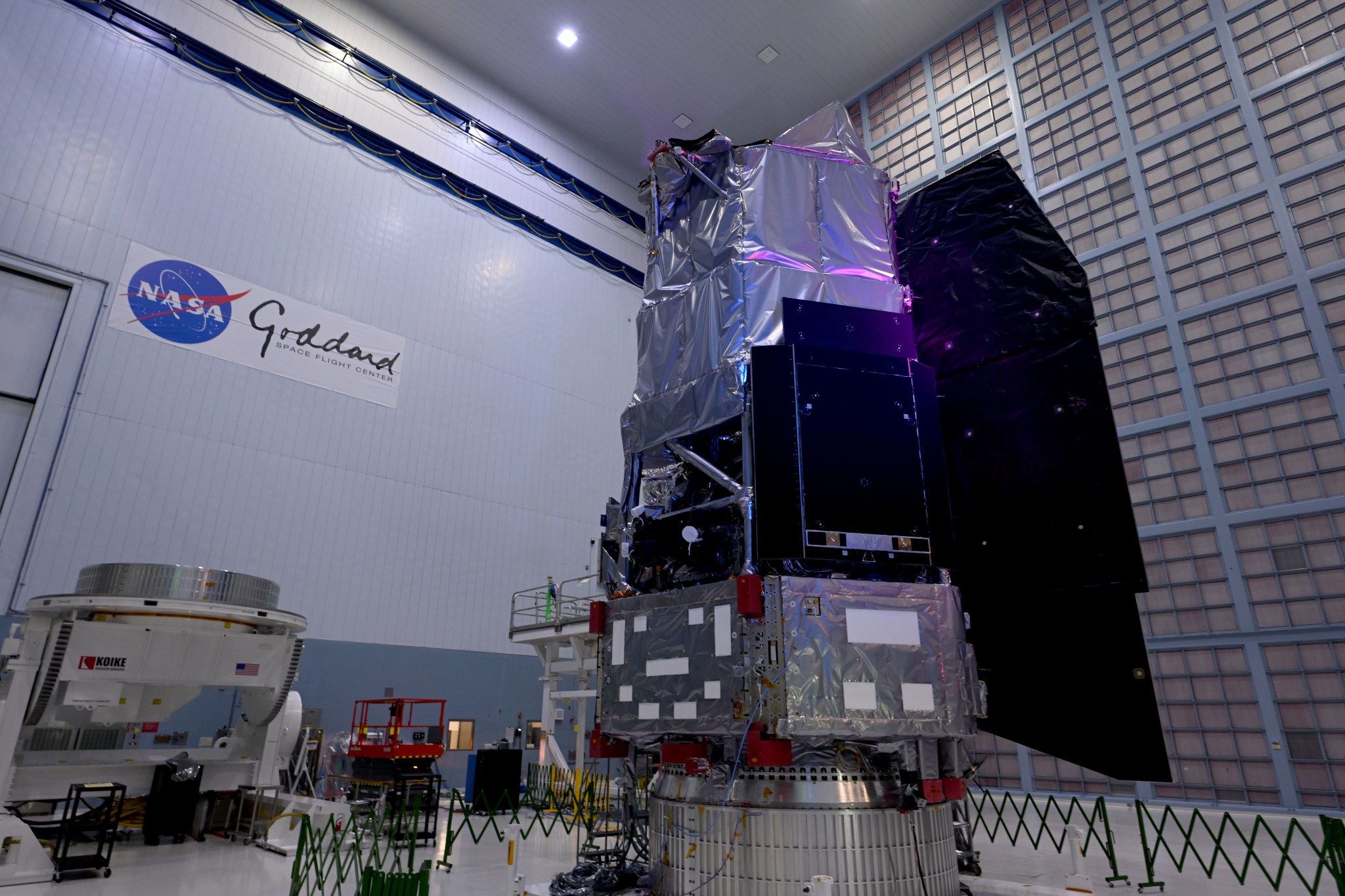
Registration is open for media to cover the arrival of NASA’s Nancy Grace Roman Space Telescope at the agency’s Kennedy Space Center in Florida in the
Read Full Story at NASA →Why This Matters
NASA’s Nancy Grace Roman Space Telescope represents a critical leap in our ability to explore dark energy, exoplanets, and the cosmos’s most pressing mysteries. Its arrival at Kennedy Space Center signals a pivotal moment in the mission’s journey, one that could redefine humanity’s understanding of the universe’s expansion and the prevalence of distant worlds. For the media and public, this is more than a logistics update—it’s a front-row seat to the next era of astronomical discovery.
Background Context
Originally proposed over a decade ago, the Roman Space Telescope (formerly WFIRST) has faced budgetary challenges and shifting priorities, yet persisted as a cornerstone of NASA’s astrophysics portfolio. Its delayed launch—now slated for no earlier than October 2026—reflects both technological hurdles and the complexities of modern space science. The telescope’s coronagraph instrument, designed to directly image exoplanets, is a first-of-its-kind technology that could set the stage for future missions like the Habitable Worlds Observatory.
What Happens Next
Once at Kennedy, the telescope will undergo final integration and testing, with a critical focus on its deployment mechanisms and scientific instruments. The next 12–18 months will determine whether the project stays on schedule for a 2026 launch, a timeline that’s already tight given the telescope’s ambitious goals. Observers should watch for updates on its thermal shielding and the coronagraph’s performance, both of which could make or break the mission’s scientific return.
Bigger Picture
The Roman Space Telescope is part of a broader shift toward large, multi-purpose observatories that blend cosmology with exoplanet science—a trend underscored by the James Webb Space Telescope’s recent successes. Its development also highlights the growing role of public-private partnerships in space hardware, from launch providers to instrument suppliers. As NASA prepares for Artemis and other flagship missions, Roman’s progress could signal how the agency balances deep-space exploration with transformative astrophysics research.







