NASA reveals Artemis III crew for one of the most complex space missions ever
NASA has selected the Artemis III crew for a high-stakes 2027 mission designed to test the future of lunar exploration. Astronauts will launch aboard Orion and perform unprecedented docking operation…
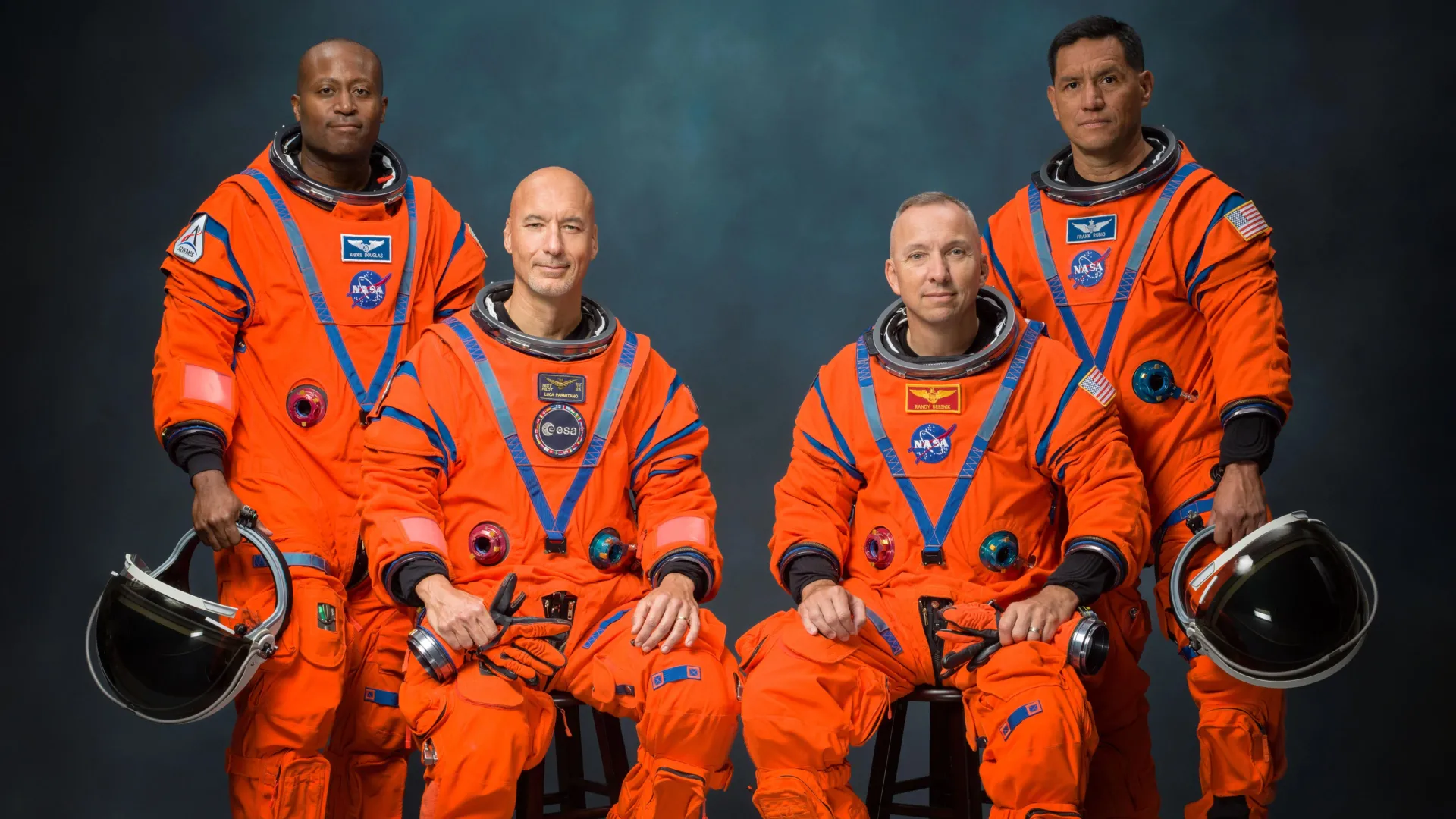
NASA has selected the Artemis III crew for a high-stakes 2027 mission designed to test the future of lunar exploration. Astronauts will launch aboard
Read Full Story at ScienceDaily →Why This Matters
The Artemis III crew announcement marks a pivotal moment in humanity’s push beyond low Earth orbit, signaling not just a return to the Moon after five decades but a deliberate shift toward establishing a sustainable lunar presence. This mission could redefine space exploration by testing technologies critical for future deep-space voyages, including Mars, while also serving as a litmus test for international cooperation in an era of geopolitical fragmentation.
Background Context
The Artemis program was born from the Trump administration’s 2017 directive to revive crewed lunar missions, but its scope has since expanded under bipartisan support, reflecting a broader consensus on space as a strategic frontier. Unlike the Apollo era, which was driven by Cold War competition, Artemis operates in a multipolar space race involving commercial partners like SpaceX and international allies such as the European Space Agency, complicating both logistics and geopolitics.
What Happens Next
The crew’s training will accelerate alongside critical hardware milestones, including the first crewed flight of SpaceX’s Starship lander and the completion of the Lunar Gateway’s initial modules. Political and budgetary pressures could reshape timelines, while technical hurdles—such as precision landing near the lunar south pole—remain high-risk variables that may force delays or adjustments.
Bigger Picture
Artemis III exemplifies a broader trend of space exploration becoming a proving ground for technological sovereignty and economic expansion, with lunar resources like water ice now central to long-term ambitions. As private companies take on more ambitious roles, the mission underscores how space is transitioning from a state-led endeavor to a hybrid ecosystem where collaboration and competition intertwine.







