NASA Space Roboticist Challenge
The Fly Foundational Robots (FFR) mission will launch a robotic arm, with seven degrees of freedom, to low Earth orbit. NASA is opening access to the robotic arm to a select group of U.S. researchers…
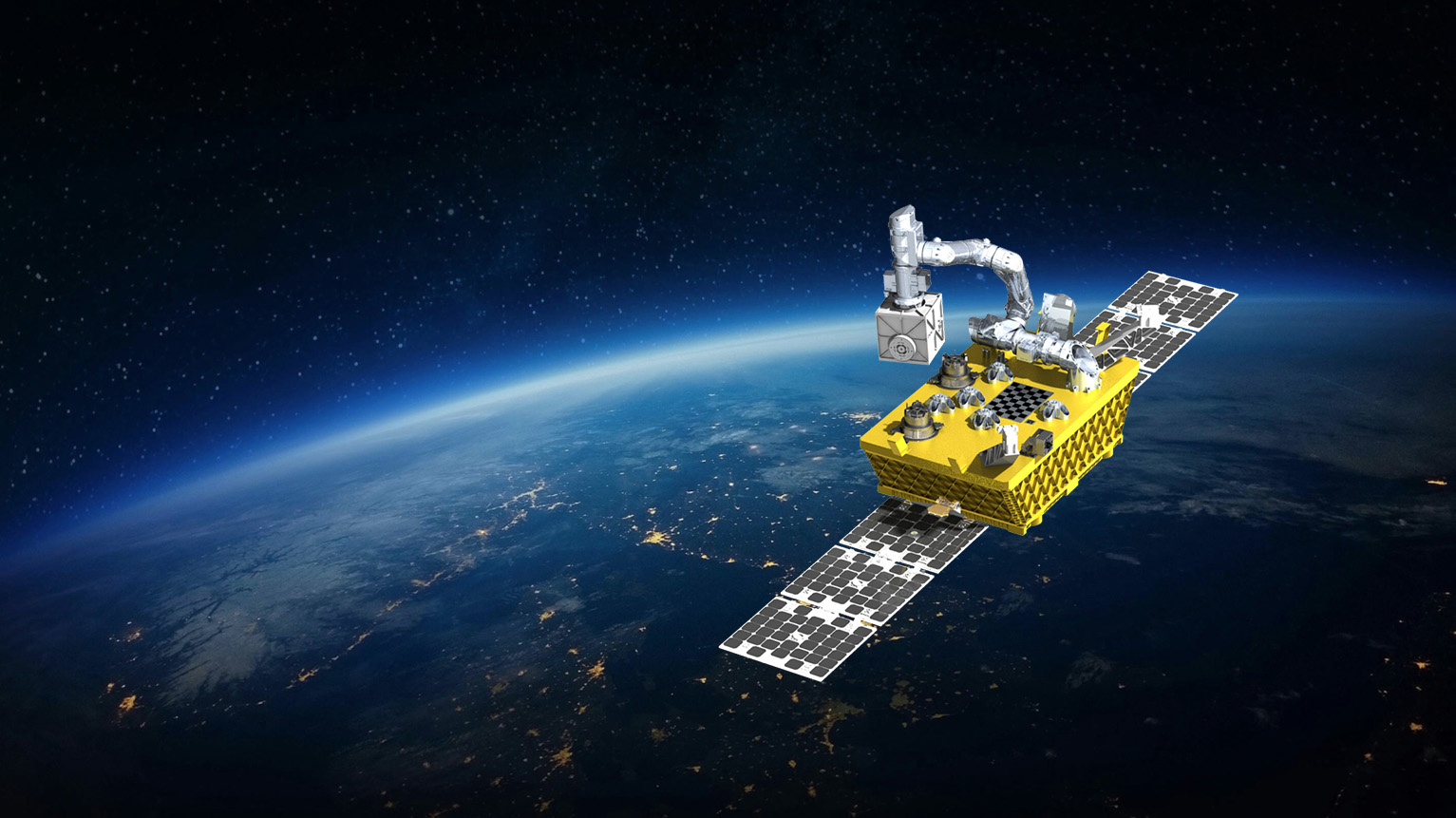
The Fly Foundational Robots (FFR) mission will launch a robotic arm, with seven degrees of freedom, to low Earth orbit. NASA is opening access to the
Read Full Story at NASA →Why This Matters
The NASA Space Roboticist Challenge represents a pivotal shift in how space exploration leverages commercial and academic collaboration, democratizing access to orbital robotics for the first time. By opening a seven-degree-of-freedom robotic arm to U.S. researchers, NASA isn’t just testing hardware—it’s fostering a new ecosystem where universities and private labs can iterate on cutting-edge systems without the prohibitive cost of launching their own missions. This could accelerate breakthroughs in autonomous servicing, satellite repair, and even lunar gateway logistics, all while redefining the boundaries of what’s achievable in low Earth orbit.
Background Context
While robotic arms have been staples of the International Space Station for decades, their operations have largely been confined to NASA’s in-house programs or tightly controlled partnerships with entities like the Canadian Space Agency. The Fly Foundational Robots mission breaks this mold by treating the arm as a shared resource, a model reminiscent of early cloud computing where centralized infrastructure was opened to users for experimentation. Politically, this aligns with NASA’s push to position itself as a facilitator rather than a sole proprietor of space innovation, a stance reinforced by recent directives to prioritize commercial collaboration over traditional flagship missions.
What Happens Next
Expect a surge in proposals from institutions aiming to push the arm’s limits, from real-time AI-driven manipulation to novel materials testing in microgravity. The first year will likely focus on stabilizing operations, but the real inflection point will come when researchers begin publishing results that prove the arm’s versatility—potentially attracting corporate interest in spin-off technologies. Meanwhile, watch for how NASA balances open access with proprietary concerns, as early adopters may push to retain data rights, raising questions about transparency in future missions.
Bigger Picture
This challenge is a microcosm of a broader shift toward modular, reusable space infrastructure, where individual components like robotic arms become shared assets rather than one-off projects. It mirrors the rise of commercial space stations and satellite servicing missions, suggesting a future where orbital operations resemble terrestrial logistics networks more than isolated expeditions. If successful, it could normalize a new paradigm where governments act as enablers rather than sole innovators, reshaping the economics and pace of space technology development for decades to come.







