NASA spots giant ocean swell that could signal El Niño’s return
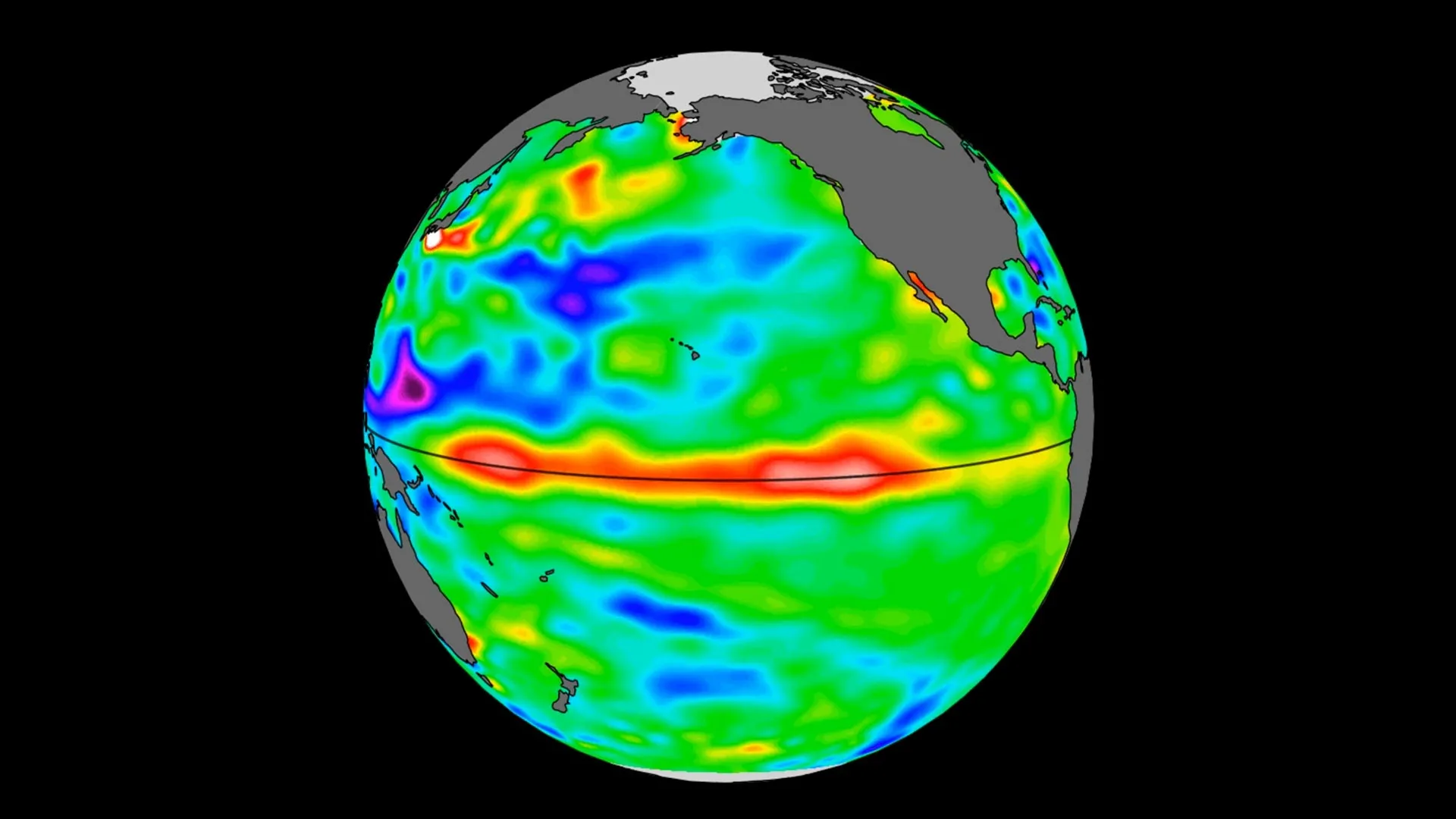
NASA satellites have detected a vast pulse of warm water reaching the coast of South America, signaling that El Niño is likely developing. The warm water is being carried eastward by massive ocean wa…
ScienceDaily — 15 June 2026
Text:
23
0
0
NASA satellites have detected a vast pulse of warm water reaching the coast of South America, signaling that El Niño is likely developing. The warm wa
Read Full Story at ScienceDaily →
⚡ Quickyla Analysis
Original editorial context — not sourced from the article above
The detection of a vast pulse of warm water propagating eastward toward South America, as observed by NASA satellites, is more than a meteorological curiosity—it is an early warning system for one of Earth’s most influential climate phenomena. El Niño, the periodic warming of eastern Pacific surface waters, doesn’t just alter weather patterns; it reshapes global agriculture, fisheries, and economies. When these warm pools travel eastward, they disrupt atmospheric circulation, often triggering droughts in Australia and Southeast Asia while inundating the Americas with heavy rainfall. The current swell, if it consolidates into a full-fledged El Niño, could signal disruptions to monsoon seasons, stress on global commodity markets, and heightened hurricane activity in the Pacific—all while temporarily suppressing Atlantic hurricane formation. For policymakers, insurers, and farmers, this is not just scientific data; it’s a call to prepare for cascading socioeconomic impacts.
This isn’t the first time such a warm pulse has been detected, but the timing is critical. El Niño events typically peak during boreal winter, and the current trajectory suggests a possible arrival by late 2023 or early 2024. What remains uncertain is its intensity. Weak or moderate events may pass with manageable consequences, but a strong El Niño—like the one in 2015-16—can cost the global economy tens of billions in damages. Historical records show that strong events often follow the rapid eastward migration of warm water, but not always. The Pacific Decadal Oscillation, a longer-term climate cycle, may be in a phase that either amplifies or dampens El Niño’s effects. Additionally, the role of human-induced climate change in altering El Niño’s behavior remains a subject of debate. Some studies suggest warming oceans could make El Niño more frequent or more extreme, while others argue the effects remain within natural variability.
Beyond the immediate forecasts, this event underscores a broader challenge: the growing need for real-time climate intelligence in an era of accelerating environmental change. The tools now used to track these oceanic shifts—satellites, buoys, and AI-driven models—are becoming indispensable for early warning systems. Yet even with advanced detection, the world remains reactive rather than proactive in its response. The question now is whether governments, industries, and communities will use this advance notice to fortify against the storm—or wait until the floodwaters arrive.
Sources

🔬 Science
'Astonishing': James Webb telescope spots the most chemically primitive galaxy in the ancient universe

🔬 Science
El Niño Is Underway

🔬 Science
Astronomers gaze into the 'Crystal Ball Nebula' and see a vision of our dying sun — Space photo of the week

🔬 Science
Bacteria uncover distinct strategy to import rare sugar polymers, crystal structures show

🔬 Science
NASA Awards Contract for Johnson Space Center Infrastructure

🔬 Science
Repairing DNA damage: Scientists discover a surprising new benefit of melatonin

