NASA updates worsening ISS leak after crew safety alert
NASA says a long-running air leak aboard the ISS recently worsened, leading engineers to investigate new suspected crack locations and consider a riskier repair strategy. Astronauts were temporarily …
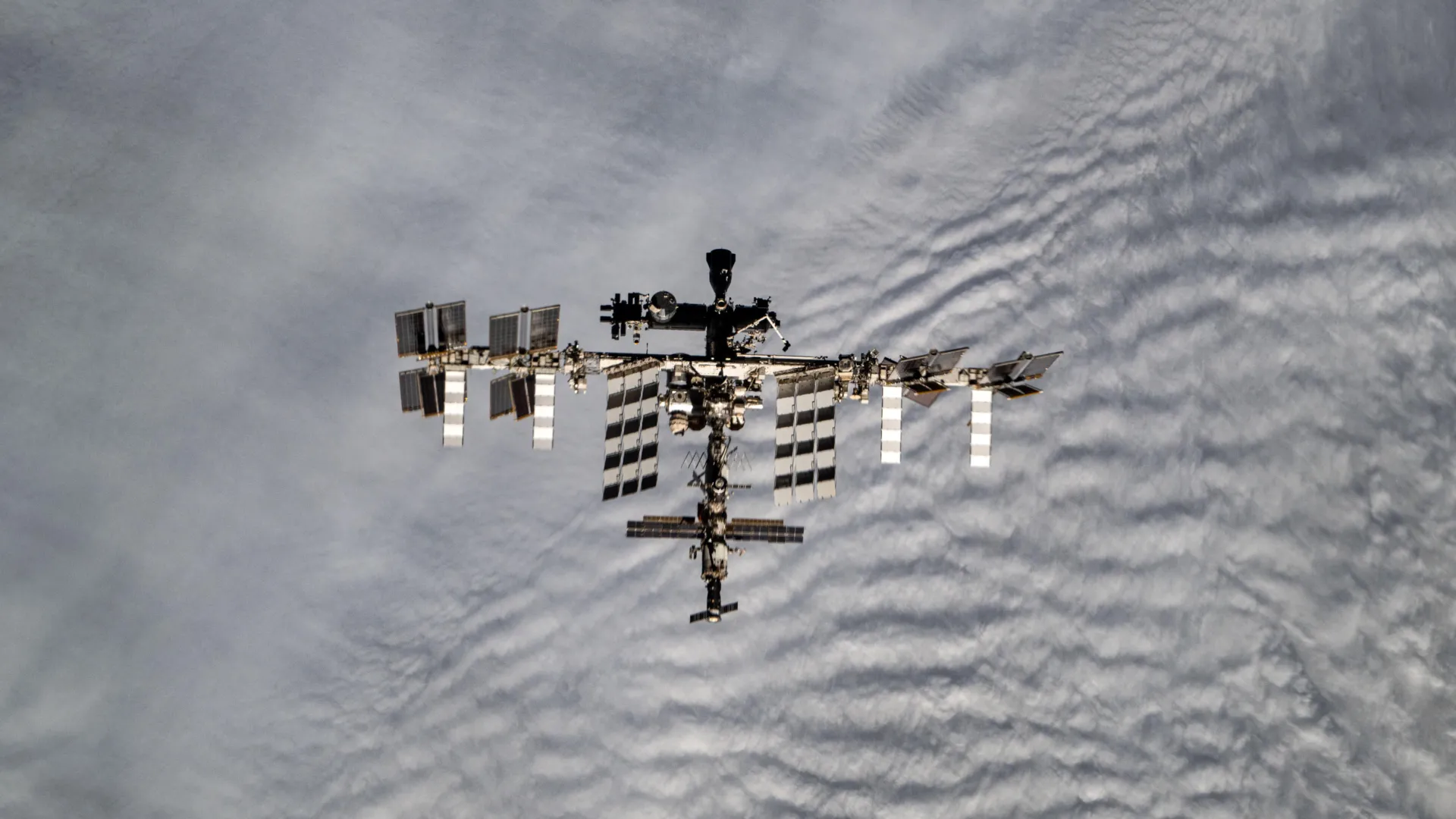
NASA says a long-running air leak aboard the ISS recently worsened, leading engineers to investigate new suspected crack locations and consider a risk
Read Full Story at ScienceDaily →Why This Matters
The International Space Station’s escalating air leak underscores the growing fragility of aging orbital infrastructure, where even minor breaches can escalate into life-threatening emergencies. This incident highlights the delicate balance between maintaining legacy systems and the urgent push toward next-generation space stations, particularly as private ventures like Axiom and Voyager Space plan commercial successors.
Background Context
The ISS has grappled with atmospheric leaks since 2019, but recent pressure drops—just months after NASA declared the issue largely contained—suggest either accelerated metal fatigue or undetected microfractures in the station’s aluminum alloy hull. Unlike earlier fixes, which relied on temporary patches, engineers now face the challenge of diagnosing cracks in areas with limited robotic access, complicating repair efforts.
What Happens Next
NASA and its international partners may prioritize non-invasive leak detection tools, such as infrared thermography or acoustic sensors, to pinpoint cracks without invasive probes. If a repair strategy involves venturing outside the ISS, astronauts would face heightened risks, including exposure to micrometeorites or debris during extravehicular activity—raising questions about the station’s long-term viability beyond 2030.
Bigger Picture
This leak mirrors broader concerns about the sustainability of low Earth orbit infrastructure, where decades-old stations and proliferating satellites share an increasingly crowded orbital neighborhood. The incident also intensifies debates over whether NASA’s Artemis-era focus on lunar missions should accelerate the transition of ISS responsibilities to commercial operators, despite lingering technical uncertainties.






