NASA's experimental X-59 jet breaks sound barrier twice, reaching Mach 1.4 in step toward 'quiet supersonic' technology
NASA and Lockheed Martin's experimental X-59 aircraft has broken the sound barrier twice, achieving a top speed of Mach 1.4. The feat could set the stage for "quiet" supersonic flight.
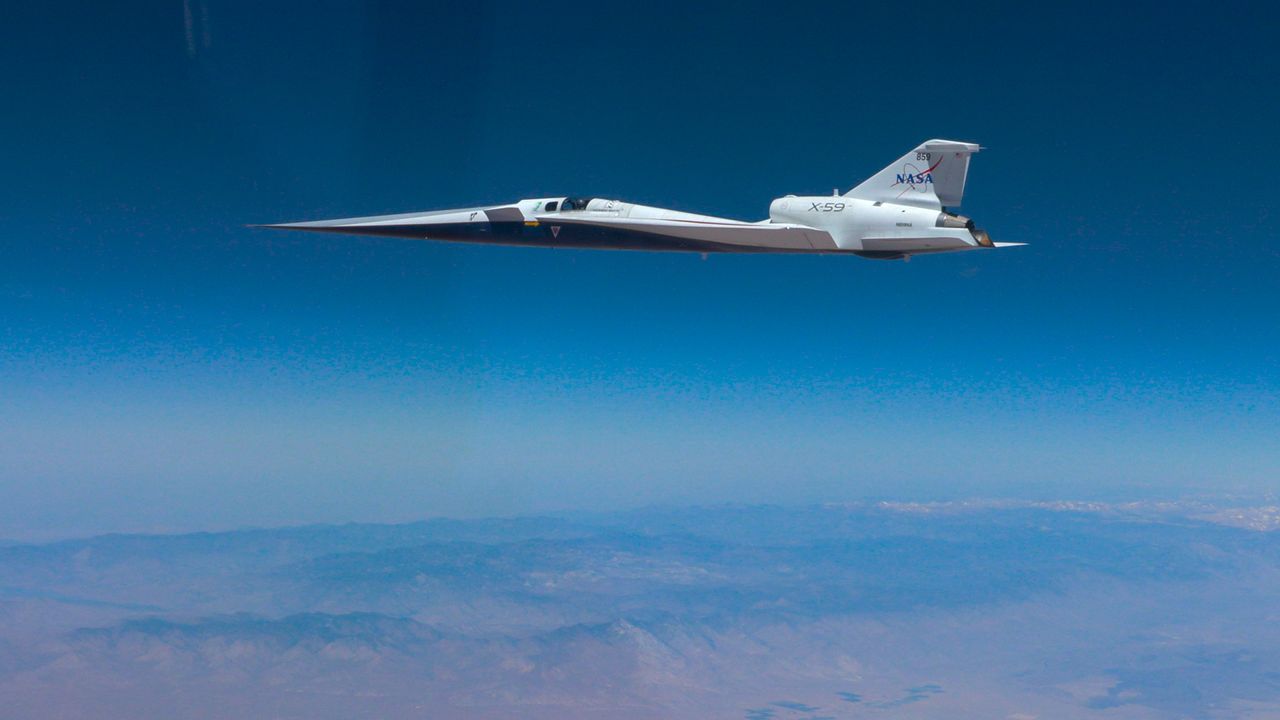
NASA and Lockheed Martin's experimental X-59 aircraft has broken the sound barrier twice, achieving a top speed of Mach 1.4. The feat could set the st
Read Full Story at Live Science →Why This Matters
The X-59’s successful supersonic flights mark a pivotal moment in aviation history, proving that civilian aircraft can exceed the speed of sound without producing the earth-shattering sonic booms that grounded the Concorde. This breakthrough could redefine commercial travel by enabling faster-than-sound passenger flights over land, a feat previously banned due to noise pollution concerns. For an industry grappling with sustainability and efficiency demands, the X-59’s "quiet" supersonic technology could unlock a new era of high-speed connectivity without sacrificing environmental or regulatory constraints.
Background Context
The X-59 is the culmination of NASA’s Low Boom Flight Demonstration program, a $247 million initiative aimed at mitigating the disruptive noise of traditional sonic booms. Unlike its predecessors, which produced booms over 100 decibels, the X-59’s elongated design and advanced aerodynamics reduce the sound to a mere 75 decibels—comparable to a car door slamming. This project revives supersonic travel ambitions first dashed in 2003 when the Concorde retired amid high costs and public opposition to its disruptive noise.
What Happens Next
The next critical phase involves community response testing, where the X-59 will fly over select U.S. cities to gauge public acceptance of its quieter sonic thumps. If these trials succeed, regulators like the FAA could reconsider the 1973 ban on supersonic flight over land, potentially paving the way for commercial ventures by companies like Boom Supersonic or Exosonic. Meanwhile, Lockheed Martin’s data will inform future military and scientific applications, from rapid reconnaissance to emergency medical transport.
Bigger Picture
The X-59’s progress reflects a broader aerospace renaissance, where cutting-edge materials and AI-driven design are converging to address the twin challenges of speed and sustainability. It also underscores NASA’s pivot from purely scientific exploration to applied innovation, mirroring trends in private spaceflight and electric aviation. As climate pressures intensify, the aviation industry’s ability to balance speed with noise and emissions reduction will define the next generation of air travel—and the X-59 could be the vanguard of that transformation.







