NASA’s INCUS Satellites Progress Toward Launch
Description One of the three satellites that make up NASA’s INCUS (Investigation of Convective Updrafts) mission sits on a fixture at the facilities of Blue Canyon Technologies in Lafayette, Colorado…
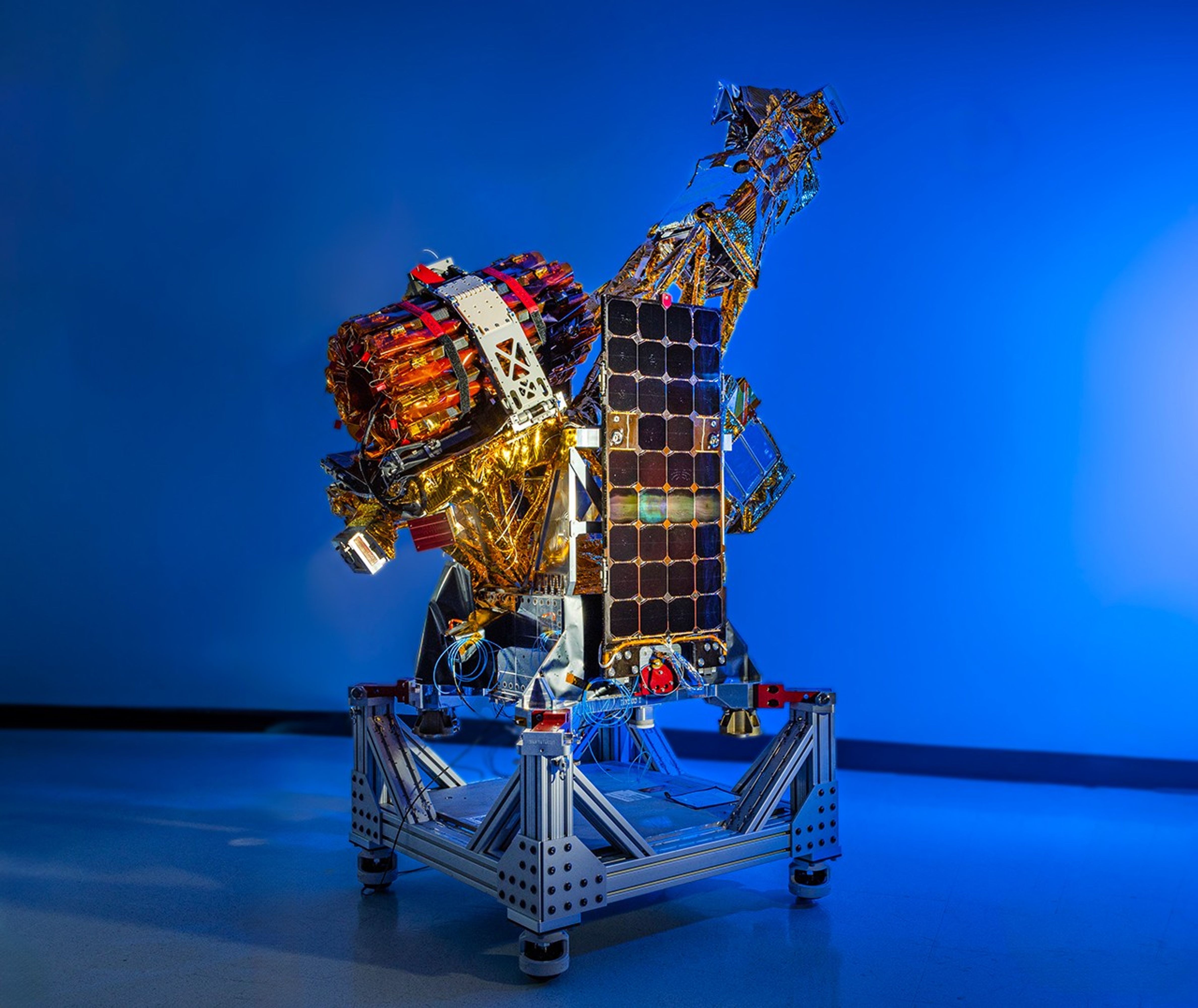
Description One of the three satellites that make up NASA’s INCUS (Investigation of Convective Updrafts) mission sits on a fixture at the facilities o
Read Full Story at NASA →Why This Matters
NASA’s INCUS mission represents a critical leap in understanding extreme weather systems, where subtle shifts in convective updrafts can escalate into devastating storms. By deploying three small satellites to track these vertical air currents with unprecedented precision, the mission could refine climate models and improve early warning systems, potentially saving lives and reducing economic losses from unpredictable weather events.
Background Context
Convective updrafts—rising columns of warm, moist air—are the engines of thunderstorms and hurricanes, yet their behavior remains poorly quantified due to limited observational data. Prior missions like NASA’s TRMM and GPM provided foundational insights, but INCUS will leverage the rapid evolution of small satellite technology to deploy a targeted, multi-point measurement system. The collaboration with Blue Canyon Technologies underscores growing industry roles in high-stakes scientific missions.
What Happens Next
The satellites are slated for a 2027 launch, but their real value will unfold over years as data streams in, potentially revealing patterns in storm intensification that current models miss. Researchers will face the challenge of integrating INCUS’s high-resolution observations with existing weather datasets, while policymakers may push for faster applications in disaster preparedness. The mission’s success could also set a precedent for cheaper, faster-deployed satellite constellations targeting niche climate phenomena.
Bigger Picture
INCUS aligns with a broader shift toward disaggregated, specialized satellite missions that complement larger, multi-purpose observatories like the GOES-R series. As climate change intensifies weather extremes, such targeted missions are becoming indispensable for closing critical data gaps. The project also highlights the growing synergy between NASA’s scientific goals and the commercial space sector’s expanding capabilities in small satellite manufacturing.






