NASA's Webb detects methane and strange chemistry on interstellar comet 3I/ATLAS
NASA's James Webb Space Telescope has uncovered unusual chemistry in interstellar comet 3I/ATLAS, including the first direct detection of methane on a visitor from another star system. The comet also…
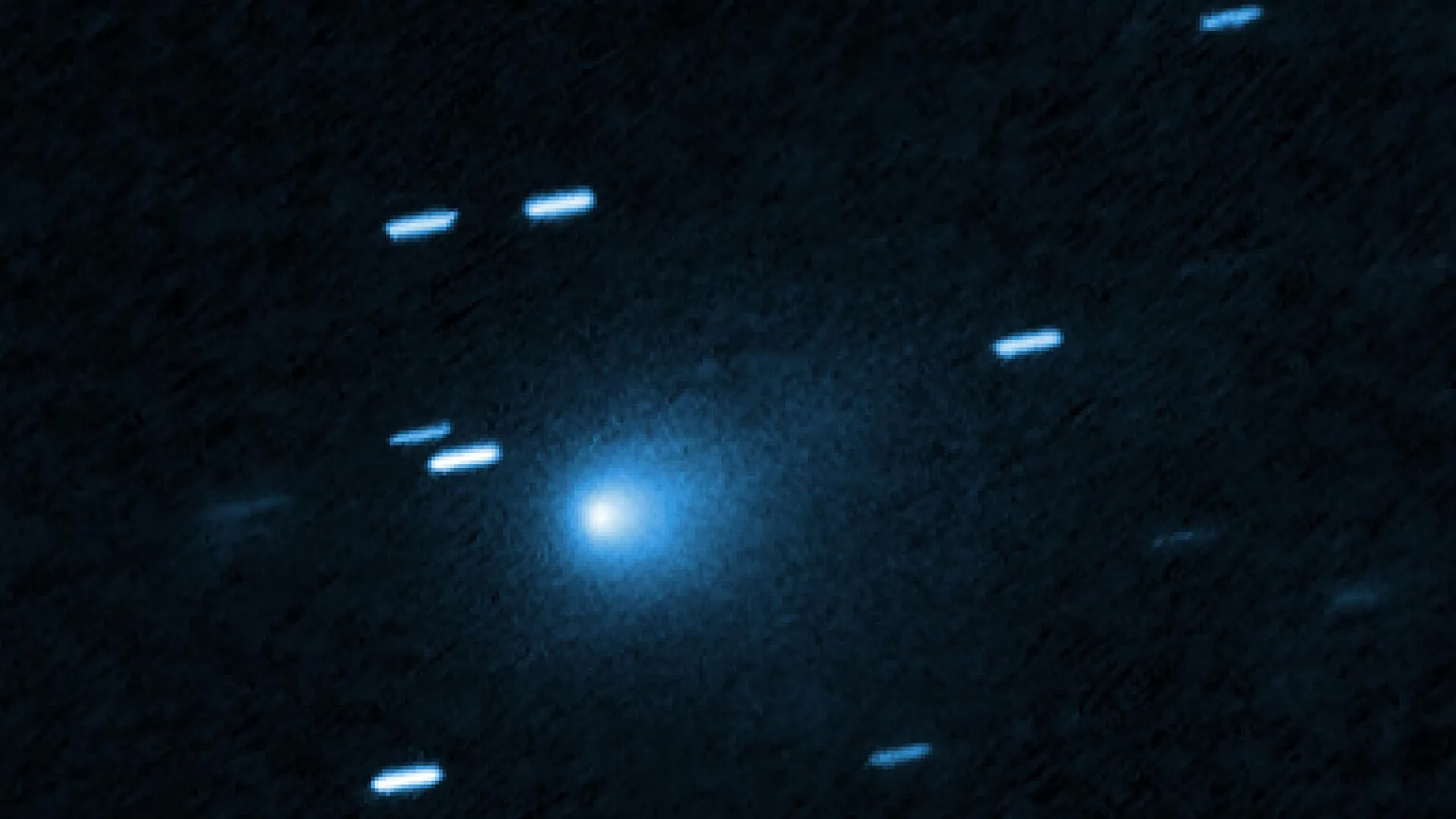
NASA's James Webb Space Telescope has uncovered unusual chemistry in interstellar comet 3I/ATLAS, including the first direct detection of methane on a
Read Full Story at ScienceDaily →Why This Matters
The detection of methane on 3I/ATLAS isn’t just another line in a cosmic inventory—it’s a potential Rosetta Stone for understanding how chemistry differs across star systems. Unlike the water-rich comets we’ve studied in our solar system, this interstellar visitor may reveal whether the building blocks of life are distributed uniformly in the universe or if their formation is shaped by the unique conditions of their birthplaces.
Background Context
Interstellar objects like 3I/ATLAS are rare cosmic time capsules, offering a glimpse into systems light-years away without the need for a spacecraft. Before Webb, our best tools for studying such visitors were ground-based telescopes and flybys like those of ‘Oumuamua and Borisov, which lacked the sensitivity to detect complex molecules like methane in meaningful detail.
What Happens Next
Expect a surge in follow-up observations as astronomers scramble to compare 3I/ATLAS’s composition with other interstellar objects and our own solar system’s comets. The next critical step will be determining whether its methane originated from primordial ices or was produced by chemical processes en route—answers that could reshape theories about interstellar chemistry.
Bigger Picture
This discovery underscores how James Webb is transforming interstellar science from a niche field into a data-rich discipline, much like how Kepler revolutionized exoplanet research. It also hints at a growing trend: the more we study interstellar visitors, the more we realize our solar system may be the exception, not the rule, in its chemical makeup.







