NASA’s X-59 plane goes supersonic for the first time
NASA’s X-59 plane goes supersonic for the first time This experimental plane, which reached supersonic speeds yesterday, is designed to travel faster than the speed of sound without creating bothers…
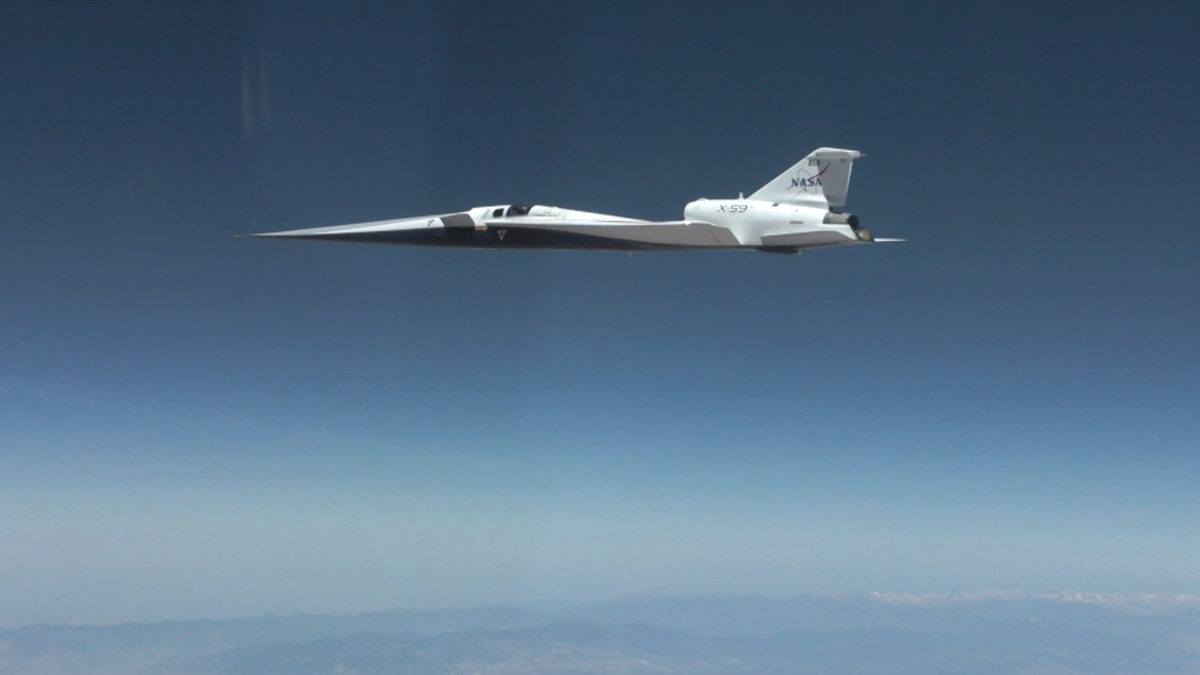
This experimental plane, which reached supersonic speeds yesterday, is designed to travel faster than the speed of sound without creating bothersome s
Read Full Story at Scientific American →Why This Matters
The X-59’s breakthrough marks a pivotal moment in aerospace engineering, demonstrating that civilian supersonic travel—banned over land for decades due to sonic booms—could one day become viable again. Beyond speed, this test flight signals NASA’s pivot toward reconciling commercial aviation with environmental and noise constraints, potentially reshaping global air travel economics.
Background Context
Sonic booms from supersonic jets like the Concorde forced the U.S. and other nations to ban overland flights in 1973, crippling the industry’s growth. NASA’s X-59 was conceived in 2016 under the Low Boom Flight Demonstrator program, a $247 million initiative aimed at designing a plane that produces a "thump" instead of a boom—quiet enough to make regulators reconsider the ban.
What Happens Next
If further tests confirm the X-59’s noise levels meet regulatory thresholds, the FAA and ICAO could revise supersonic flight rules by the late 2020s, paving the way for companies like Boom Supersonic to launch commercial routes. The next critical phase involves flight tests over select U.S. cities to gauge public reaction, a step that could determine whether the technology gains mainstream acceptance or remains a niche experiment.
Bigger Picture
This milestone reflects a broader resurgence in supersonic ambitions, driven by advances in materials science and AI-driven design, even as sustainability concerns push the industry toward greener fuels. It also highlights NASA’s shifting role from pure exploration to bridging gaps between military-grade innovation and civilian applications, a trend mirrored in other sectors from space tourism to high-speed rail.







