NASA’s X-59 Prepares for First Supersonic Flight
NASA’s X-59 quiet supersonic aircraft is set for its first supersonic test flights, exceeding 767 mph, to evaluate its Quiet Supersonic Technology (QueSST) and reduce sonic booms. Success could lead …
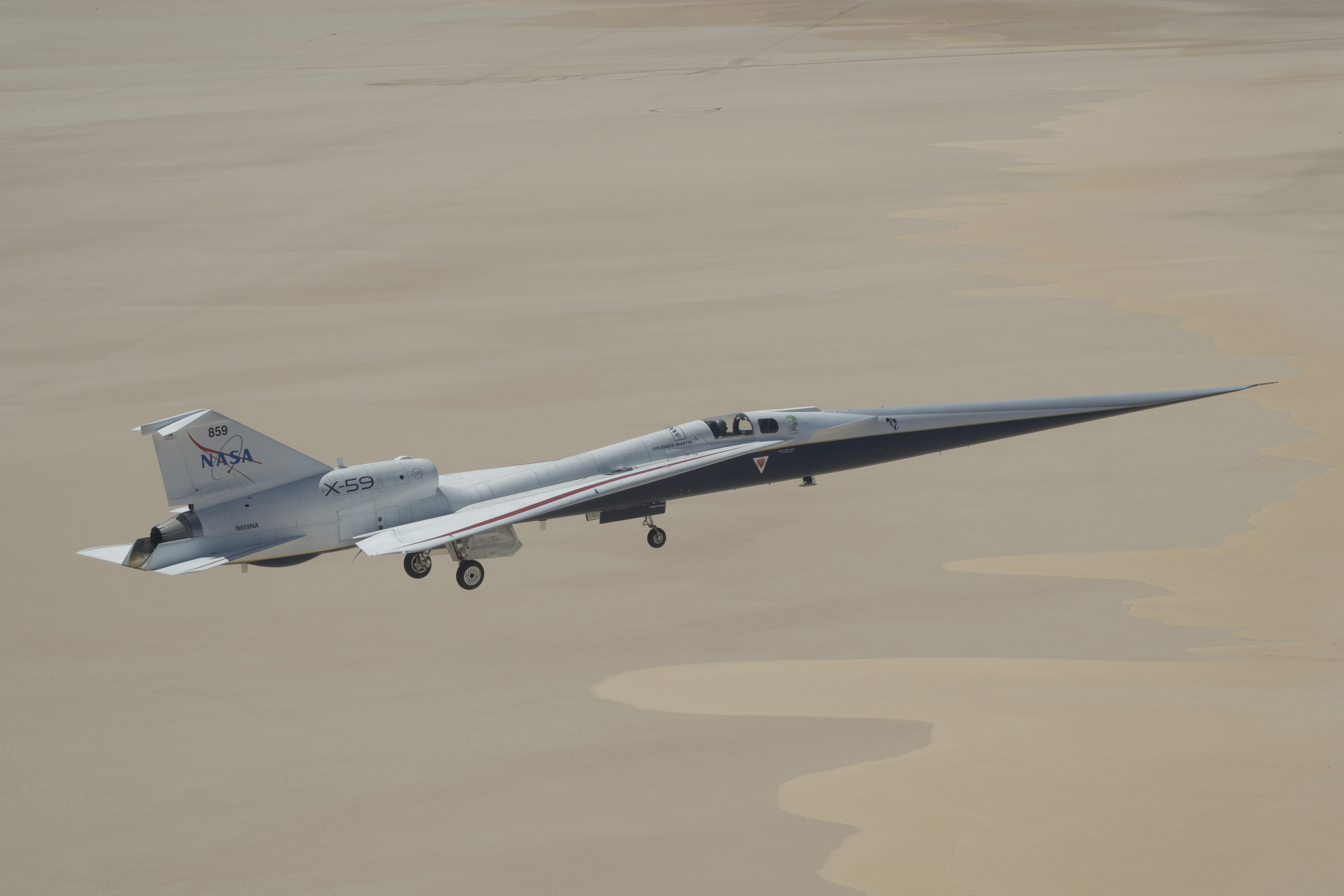
NASA’s X-59 quiet supersonic research aircraft is preparing for some of its most significant flights yet, as it is set to begin a new block of test fl
Read Full Story at NASA →Why This Matters
The X-59’s upcoming supersonic tests represent a pivotal moment in aerospace innovation, potentially redefining commercial flight by demonstrating that supersonic travel can coexist with populated regions. If successful, this could break decades of regulatory stagnation, unlocking new global connectivity while addressing the long-standing challenge of sonic boom disruption.
Background Context
The X-59 is the culmination of NASA’s QueSST program, which began in earnest over a decade ago to address the Concorde’s fatal flaw—its earth-shattering sonic booms that grounded supersonic passenger flights in 2003. Unlike traditional supersonic jets, its elongated, swept-wing design is engineered to disperse shockwaves into a quieter "thump," offering a critical test case for future FAA regulations.
What Happens Next
The first supersonic tests will focus on validating acoustic performance and structural integrity, with data from ground sensors and community feedback shaping subsequent phases. If the X-59 meets its noise targets, the FAA and international aviation bodies may reconsider long-standing bans on overland supersonic flight, potentially greenlighting commercial ventures by the end of the decade.
Bigger Picture
This project aligns with a broader resurgence in supersonic aviation, led by private ventures like Boom Supersonic, which promise to merge speed with sustainability. Success for the X-59 could accelerate investment in low-boom technology, reshaping air travel economics and reopening the door to a future where crossing the Atlantic in three hours becomes routine rather than a relic of the past.







