💻 Technology
Live
NASA's X-59 reaches speed and altitude milestones ahead of first quiet supersonic flights
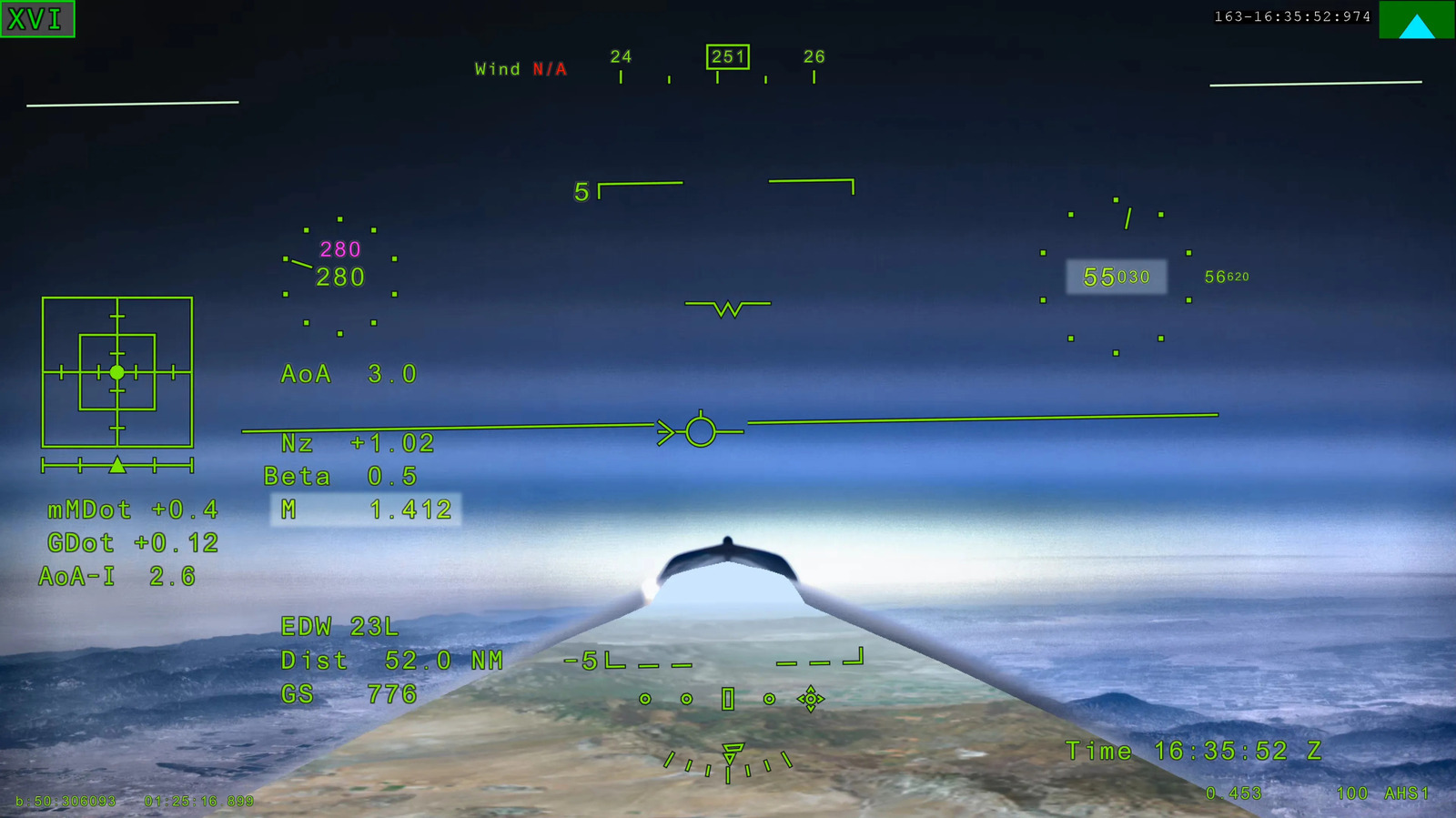
The plane will soon be ready to fly over US communities. NASA's X-59 research plane took its first supersonic flight at the beginning of the month, and now it's demonstrated that it can reach the sp…
Engadget — 14 June 2026
Text:
25
0
0
NASA's X-59 research plane took its first supersonic flight at the beginning of the month, and now it's demonstrated that it can reach the speed and a
Read Full Story at Engadget →
⚡ Quickyla Analysis
Original editorial context — not sourced from the article above
The X-59’s progress underscores a pivotal moment in aviation history, where decades of research into supersonic travel may finally shift from laboratory simulations to real-world consequences. For half a century, commercial supersonic flight was grounded—not by physics, but by politics. The Concorde’s 2003 retirement left a void, but the X-59’s recent speed and altitude milestones suggest NASA is closer to proving that supersonic flight can coexist with communities, not just break the sound barrier. This matters because it could redefine global travel, but the real test lies in whether the public will accept the noise—or lack thereof—that the X-59 promises.
Behind the headlines is a lesser-known battle over perception versus physics. The X-59’s design is a feat of aeronautical engineering, shaped to deflect shockwaves in a way that minimizes the thunderous sonic boom to a mere "thump." Yet the Concorde’s legacy looms large; its deafening booms over land led to a blanket ban on over-land supersonic commercial flights in 1973. NASA’s gamble is that technological innovation can outrun that historical baggage. The agency’s Quiet Supersonic Technology (QueSST) program, which produced the X-59, is not just about building a faster plane—it’s about proving that supersonic flight can be quiet enough to skirt the old restrictions.
What comes next is a high-stakes social experiment. Later this year, NASA plans to fly the X-59 over select U.S. communities, gauging public reactions to its reduced noise signature. The results could sway regulators to rewrite the rules, potentially opening the door for companies like Boom Supersonic to revive commercial supersonic travel. But skepticism remains. Will residents near test routes perceive the "thump" as a breakthrough or just another annoyance? And even if the X-59 succeeds, scaling up the technology for passenger planes presents its own challenges—cost, fuel efficiency, and infrastructure, to name a few.
The X-59’s journey reflects broader trends in aviation’s push toward sustainability and speed. As climate concerns grow, the industry faces pressure to innovate without sacrificing efficiency. Supersonic flight, if made quieter and greener, could offer a niche but lucrative market. Yet the question lingers: Will the world be ready to embrace it again? The X-59’s first flights are a step forward, but the final verdict may depend on how well it balances engineering with human perception.
Verified Source
Sources

💻 Technology
You can now beat ChatGPT Codex rate limits, if you have friends

💻 Technology
Cash App made a magic wand for contactless payments

💻 Technology
Coders are refusing to work without AI — and that could come back to bite them

💻 Technology
Hackers hijacked Instagram accounts by tricking Meta AI support chatbot into granting access

💻 Technology
‘Backrooms’ $118M WW Bonanza; ‘Obsession’ Obsessed With $148M WW; ‘Michael’ Nearing $900M WW – Global Box Office Update

💻 Technology
Asus gives the ROX Xbox Ally the OLED screen it deserves

