Nearly 3,000 patients a day face corridor care in NHS
Nearly 3,000 patients a day had to be cared for in hospital corridors or make-shift treatment areas rather in a bed on a ward in England last month, figures show. It is the first time the data has b…
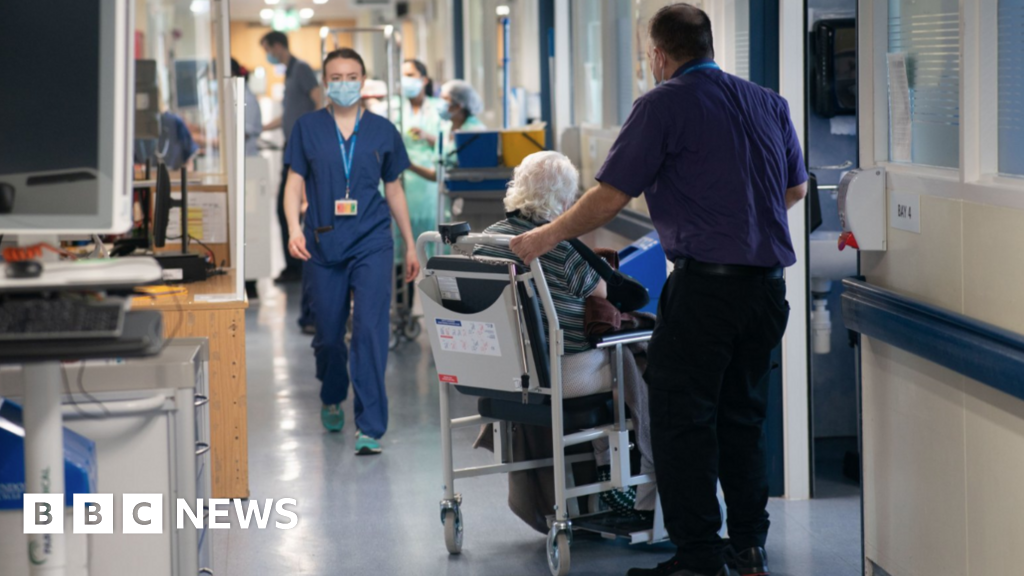
Nearly 3,000 patients a day had to be cared for in hospital corridors or make-shift treatment areas rather in a bed on a ward in England last month, f
Read Full Story at BBC Health →Why This Matters
The revelation that nearly 3,000 patients daily are treated in corridors or temporary spaces exposes a systemic failure in healthcare delivery, not just a logistical challenge. Beyond the immediate human cost of delayed care and compromised recovery, this crisis reflects deeper fractures in the NHS’s ability to meet even basic operational standards—a threshold that, once crossed, erodes public trust in institutional resilience.
Background Context
This situation stems from a decade of underinvestment in bed capacity, compounded by workforce shortages and the lingering effects of the pandemic’s backlog. While corridor care has sporadically occurred in winter crises, its normalization signals a structural shift rather than a temporary blip, with successive governments prioritizing cost controls over infrastructure expansion.
What Happens Next
Unless emergency funding materializes or winter pressures ease, the trend risks becoming irreversible, normalizing substandard care as a permanent feature of the NHS. Political responses will likely focus on short-term fixes—such as temporary bed expansions—while sidestepping the structural reforms needed to prevent future collapse.
Bigger Picture
This crisis is part of a broader erosion of public services across Europe, where austerity and demographic shifts have strained healthcare systems beyond design limits. The UK’s experience may serve as a cautionary tale for other nations balancing fiscal restraint with the demands of an aging population.