🕌 Religion & Faith
Live
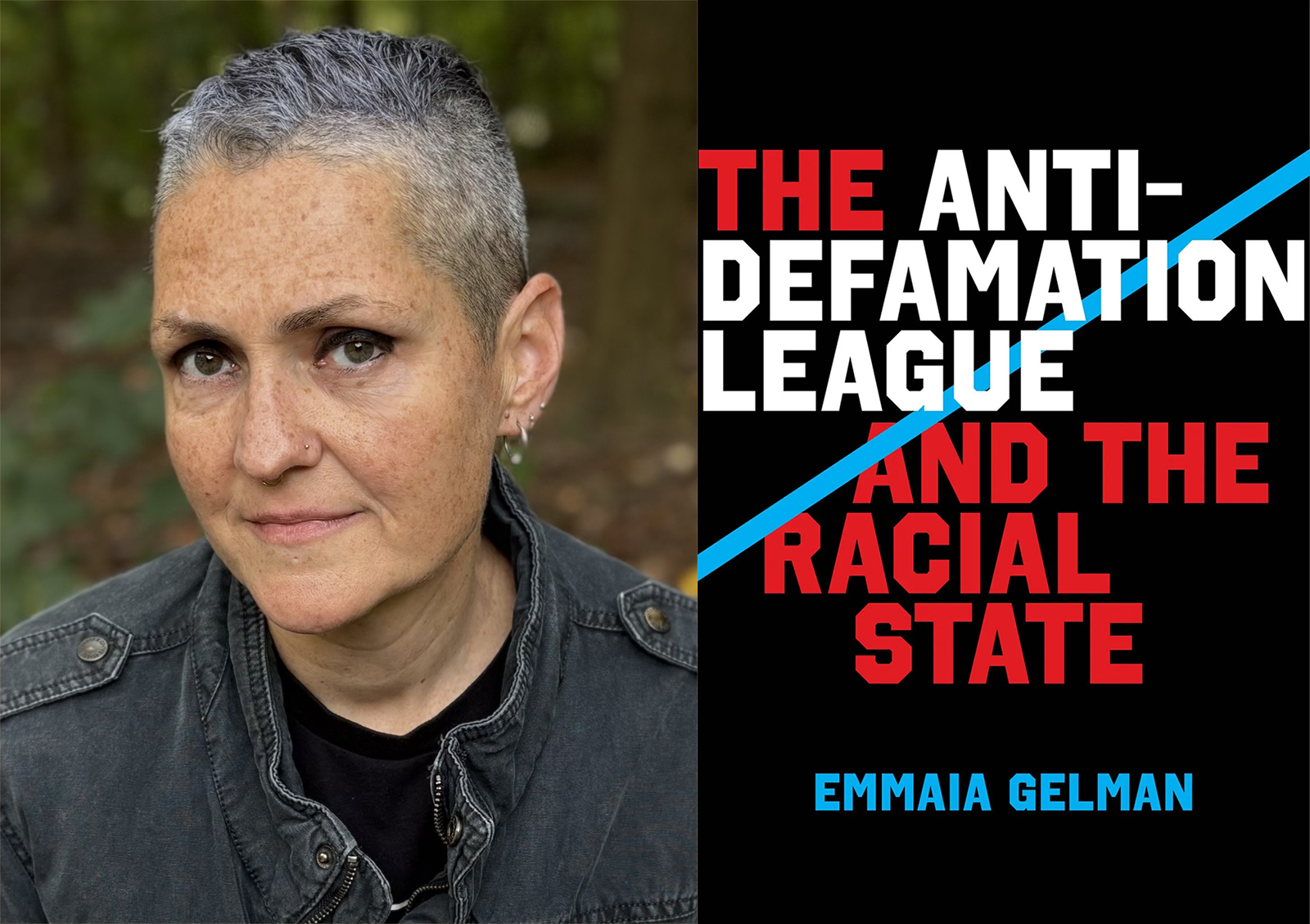
New book paints the ADL as a neoconservative bastion dedicated to US and Israel interests
(RNS) — The Anti-Defamation League may have appropriated the language of civil rights, writes Emmaia Gelman in a new book, but the group’s actions have mostly been in defense of state interests.
Religion News Service — 18 June 2026
Text:
28
0
0
(RNS) — The Anti-Defamation League may have appropriated the language of civil rights, writes Emmaia Gelman in a new book, but the group’s actions hav
Read Full Story at Religion News Service →
⚡ Quickyla Analysis
Original editorial context — not sourced from the article above
The publication of Emmaia Gelman’s new book challenging the public image of the Anti-Defamation League (ADL) as a civil rights organization is more than a scholarly critique—it is a provocation that demands a reexamination of how advocacy groups shape national discourse on discrimination, security, and geopolitics. Gelman’s argument—that the ADL has long prioritized the interests of the U.S. and Israeli states over broader civil rights concerns—cuts against decades of carefully cultivated branding. For generations, the ADL has positioned itself as the preeminent watchdog against antisemitism and bigotry, its annual *Audit of Antisemitic Incidents* treated as gospel in media and political circles. By framing its mission as inherently tied to state power rather than marginalized communities, Gelman forces a confrontation with the uncomfortable truth that many nonprofit organizations, no matter how progressive their rhetoric, operate within frameworks that align with institutional power.
This isn’t the first time the ADL has faced scrutiny. In the 1990s, it was criticized for surveilling American activists, including progressive Jewish groups, under the guise of counterterrorism. More recently, its opposition to the BDS movement—while couched in terms of opposition to antisemitism—has drawn accusations of conflating criticism of Israel with bigotry. These episodes reveal a pattern: the ADL’s definition of harm often expands to include threats to its own ideological and geopolitical alliances. Gelman’s work amplifies this history, suggesting that the ADL’s civil rights framework may be less about universal protections and more about preserving a specific order—one where U.S. and Israeli security interests are sacrosanct.
What remains unclear is how this critique will be received. Will it embolden critics of the ADL to demand greater transparency, or will it be dismissed as fringe? The broader question is whether civil rights organizations can ever fully disentangle themselves from the states they operate within—and if not, what that means for the movements they claim to represent. As debates over free speech, antisemitism, and Palestinian rights intensify, Gelman’s book arrives at a pivotal moment, pushing us to ask: Who really benefits from the ADL’s version of justice?
Sources

🕌 Religion & Faith
Defense Department rejiggers list of recognized religions after backlash, narrows it to 30

🕌 Religion & Faith
Odiong guilty in Texas: Questions remain for several Church leaders

🕌 Religion & Faith
Pope Leo XIII updates just war theory
🕌 Religion & Faith
Trump’s latest attack on Leo XIV isn’t really about the pope

🕌 Religion & Faith
High hopes, many challenges for Bangladesh’s first Indigenous Catholic MP

🕌 Religion & Faith
Photos of the Week: Ebola responses, end of Hajj

