New hydrogen breakthrough turns waste heat into clean fuel
A breakthrough hydrogen-production method could make clean fuel far cheaper and easier to generate. Researchers at the University of Birmingham developed a perovskite-based catalyst that splits water…
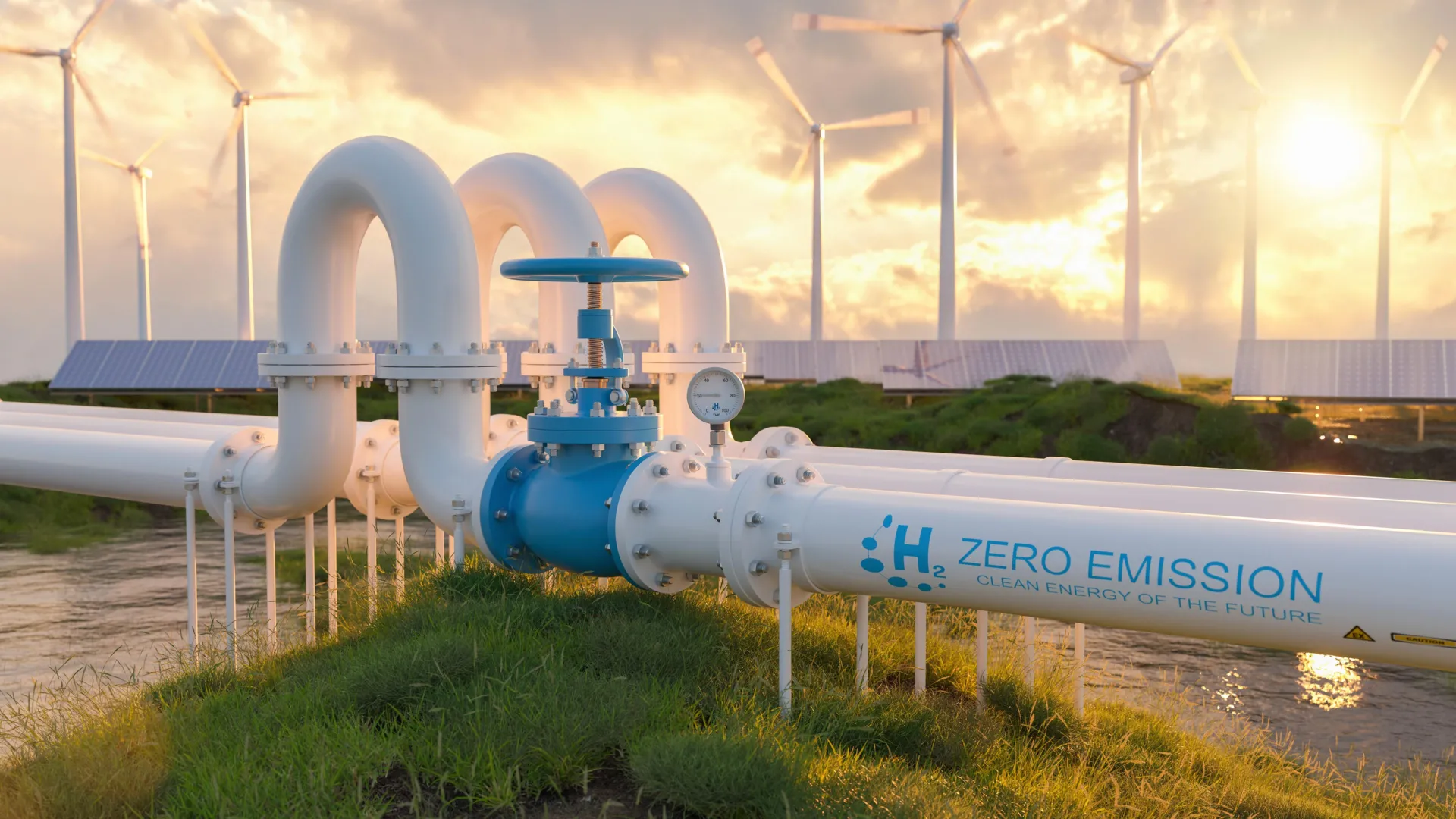
A breakthrough hydrogen-production method could make clean fuel far cheaper and easier to generate. Researchers at the University of Birmingham develo
Read Full Story at Science Daily →Why This Matters
This breakthrough isn’t just another incremental advance in clean energy—it could redefine the economics of hydrogen production by turning an often-overlooked obstacle, waste heat, into a critical resource. For industries struggling with the dual challenges of decarbonization and energy efficiency, a catalyst that operates at lower temperatures and recycles otherwise lost thermal energy could slash costs while accelerating adoption. If scalable, it may finally close the gap between the promise of green hydrogen and its practical viability in heavy industry and transportation.
Background Context
Hydrogen’s potential as a zero-emission fuel has long been hobbled by the high energy demands of electrolysis, particularly at the industrial scale where traditional methods require temperatures near 800°C. Early catalysts like platinum-group metals or iridium oxides have shown promise but remain prohibitively expensive, while alternative approaches such as photocatalytic water splitting have faced efficiency ceilings. The shift toward perovskites—cheap, tunable ceramic materials—marks a quiet revolution in materials science, reviving research once sidelined as too speculative for commercial deployment.
What Happens Next
With pilot-scale validation still pending, the immediate hurdle will be proving the catalyst’s stability under real-world conditions, where contaminants and cyclical thermal stress could degrade performance. Regulatory frameworks for hydrogen certification may also need updating to account for "waste-heat-integrated" production pathways, potentially fast-tracking approvals if emissions savings are quantifiable. Meanwhile, collaborations between materials scientists and hydrogen infrastructure firms could determine whether this method leapfrogs established electrolyzer designs—or remains a niche solution for specific high-temperature industrial applications.
Bigger Picture
This research aligns with a broader pivot toward "thermodynamic arbitrage" in clean energy, where systems are designed to exploit—and monetize—previously wasted energy flows rather than simply treating them as inefficiencies. It also underscores the accelerating convergence of advanced materials and circular economy principles, with perovskites emerging as a linchpin technology across solar cells, batteries, and now fuel production. If successful, it could nudge hydrogen from the margins of energy policy debates into a central role in global decarbonization strategies.






