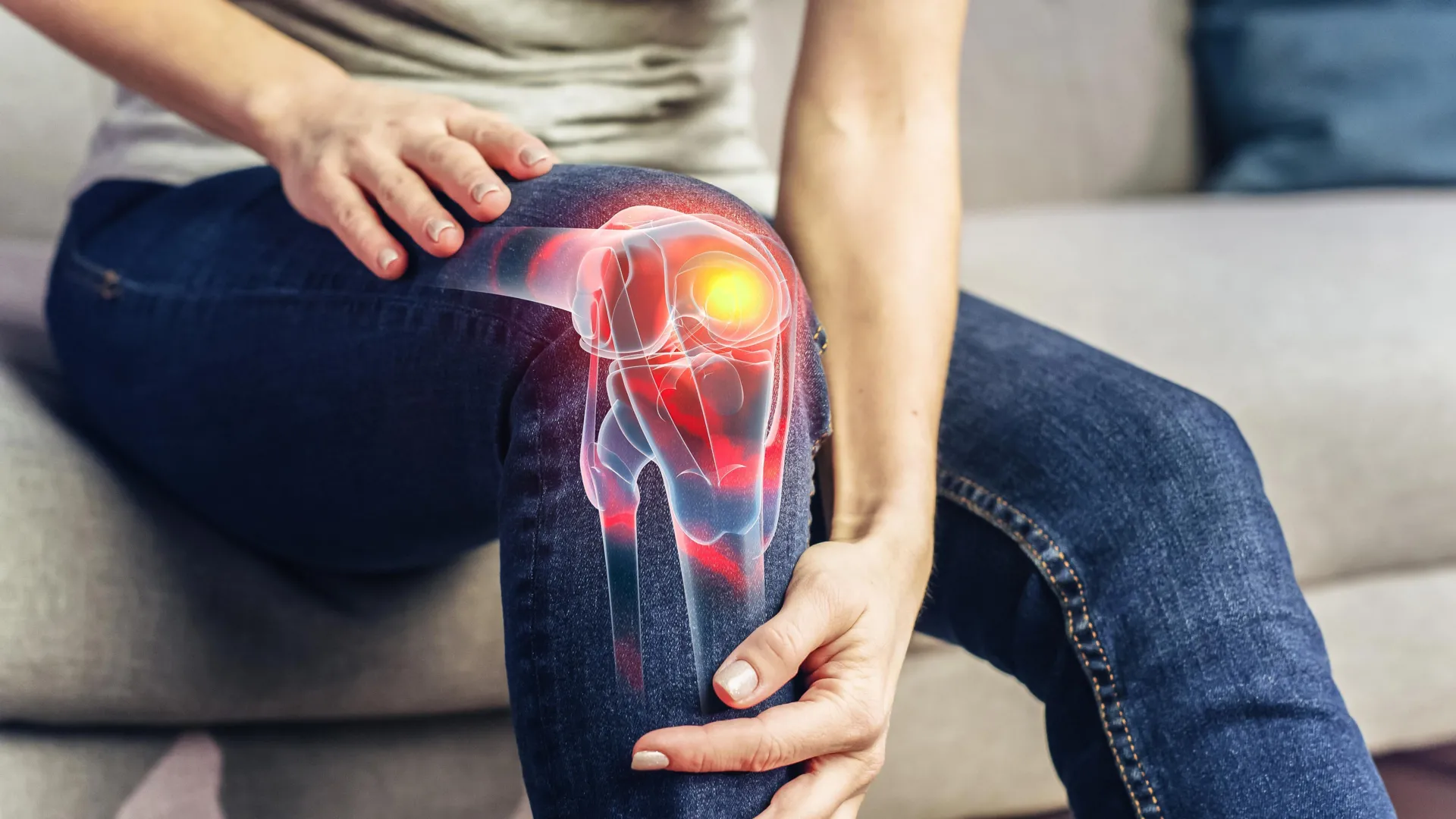
New procedure delivers lasting knee arthritis pain relief without surgery
A minimally invasive treatment that blocks inflammation-driving blood vessels in the knee provided significant pain relief and improved function for osteoarthritis patients, with benefits lasting at …
ScienceDaily — 16 June 2026
Text:
16
0
0
A minimally invasive treatment that blocks inflammation-driving blood vessels in the knee provided significant pain relief and improved function for o
Read Full Story at ScienceDaily →
⚡ Quickyla Analysis
Original editorial context — not sourced from the article above
The development of a minimally invasive treatment that delivers sustained knee arthritis pain relief without surgery marks a potential turning point in how osteoarthritis is managed, particularly for the millions of patients who have exhausted conventional therapies or face long surgical waitlists. While joint replacement remains the gold standard for advanced osteoarthritis, not all patients are candidates for major surgery—or willing to undergo lengthy recovery periods. This new approach targets the vascular inflammation that exacerbates joint degeneration, offering a middle ground between temporary pain relief and irreversible surgical intervention. If these early results hold up in larger trials, it could reshape patient expectations, shifting the focus from managing symptoms to modifying disease progression at a molecular level.
Behind the headline lies a growing recognition that osteoarthritis is not merely a matter of "wear and tear" but a complex inflammatory condition. Recent research has increasingly implicated excessive blood vessel growth and associated inflammatory signaling in the synovium—the lining of the joint—as key drivers of pain and tissue damage. Prior attempts at vascular interventions, such as embolization, have shown promise but were often inconsistent or short-lived. What distinguishes this procedure is its precision in targeting only the pathological vessels while sparing healthy tissue, a refinement that may explain the durability of the relief observed. Clinicians are watching closely to see whether this approach could eventually complement or even reduce reliance on steroid injections and oral NSAIDs, which carry their own risks with prolonged use.
Yet critical questions remain. How long will the benefits truly last? Will repeated treatments be necessary, and if so, at what cost and risk? Regulatory pathways and insurance coverage for a procedure still in its infancy are uncertain. There’s also the matter of scalability—can this technique be standardized across diverse health systems, or will outcomes vary by operator skill? As with any breakthrough, skepticism persists until peer-reviewed data from larger, controlled studies emerge.
This innovation fits into a broader trend of "precision rheumatology," where therapies are increasingly tailored to specific molecular pathways rather than relying on one-size-fits-all solutions. If validated, it could encourage further exploration of vascular-targeted treatments across other inflammatory joint conditions, potentially reducing the burden on both patients and healthcare systems. For now, it offers cautious optimism—not a cure, but a promising step toward more targeted, less invasive care.
Sources

🔬 Science
'Astonishing': James Webb telescope spots the most chemically primitive galaxy in the ancient universe

🔬 Science
El Niño Is Underway

🔬 Science
Astronomers gaze into the 'Crystal Ball Nebula' and see a vision of our dying sun — Space photo of the week

🔬 Science
NASA Awards Contract for Johnson Space Center Infrastructure

🔬 Science
Bacteria uncover distinct strategy to import rare sugar polymers, crystal structures show

🔬 Science
Putin's quest to avoid the grim reaper: What’s behind the $26 Billion longevity programme?

