Nigeria: How religious divides worsen conflict during drought
Across the Sahel region, where many Fulani herders have historically lived, rising temperatures, drought, and desertification have reduced grazing land. Now, pastoralists are increasingly driving the…
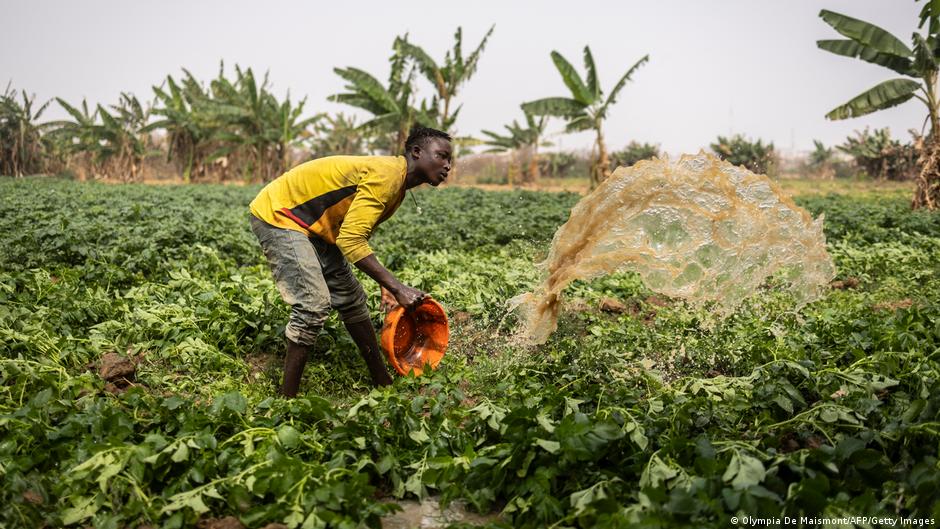
Across the Sahel region, where many Fulani herders have historically lived, rising temperatures, drought, and desertification have reduced grazing lan
Read Full Story at DW World →Why This Matters
Nigeria’s escalating climate-induced conflicts are not just environmental crises but tinderboxes for deeper societal fractures. As droughts force pastoralists into agricultural zones, the collision of livelihoods, faith, and identity exposes how climate change is weaponizing existing religious divides, turning seasonal tensions into protracted violence. The toll isn’t just economic—it’s a threat to Nigeria’s fragile social cohesion, where trust in governance is already eroding.
Background Context
The Fulani herders’ migration patterns are as old as the Sahel itself, but climate change has accelerated their displacement into regions like the Middle Belt, where sedentary farming communities—often Christian—have long resented encroachment on their lands. Colonial-era land tenure systems, which prioritized sedentary agriculture, further entrenched these tensions, leaving Nigeria with a legal framework ill-equipped to address modern ecological pressures. Meanwhile, Nigeria’s political class has historically exploited these divides, framing conflicts as religious rather than resource-based.
What Happens Next
Without urgent action, the next decade could see the Sahel’s pastoralist crisis morph into a full-blown humanitarian emergency, with Nigeria’s northwest joining the ranks of climate-induced conflict hotspots like Mali or Somalia. The government’s reliance on militarized responses—such as the controversial Operation Whirl Punch—risks deepening grievances, while climate adaptation programs remain underfunded. Watch for whether regional bodies like ECOWAS pivot from rhetoric to concrete cross-border grazing corridors or land-use reforms.
Bigger Picture
Nigeria’s drought-driven conflicts are a microcosm of a global pattern: climate change is dismantling traditional coping mechanisms, forcing communities into zero-sum battles over shrinking resources. The Sahel’s plight underscores how environmental degradation can outpace political solutions, turning ecological stress into a catalyst for identity-based violence. This isn’t just Africa’s problem—it’s a warning of how unchecked climate change will redraw the fault lines of global security in the 21st century.





