Nigerian man jailed for storing human faeces outside his home
A man in northern Nigeria has been sentenced to two weeks in prison after neighbours complained that he was storing bags of human faeces outside his home, which they said made life unbearable. Moham…
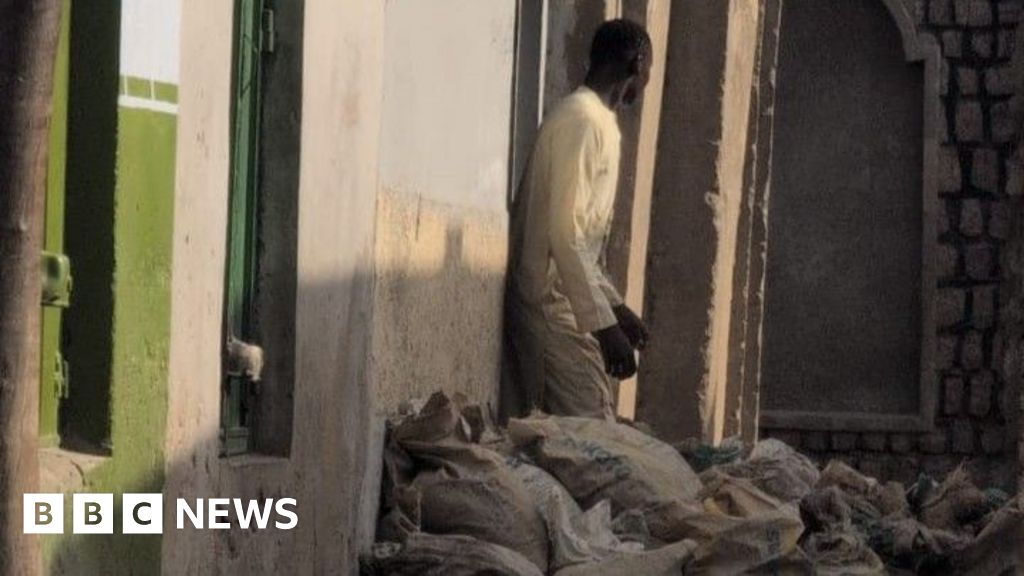
BBC World News — 17 June 2026
Text:
23
0
0
A man in northern Nigeria has been sentenced to two weeks in prison after neighbours complained that he was storing bags of human faeces outside his h
Read Full Story at BBC World News →
⚡ Quickyla Analysis
Original editorial context — not sourced from the article above
The sentencing of a Nigerian man to two weeks in prison for storing human faeces outside his home might seem like a minor municipal matter, but it underscores deeper tensions in urban sanitation, informal waste management, and communal living in Nigeria’s northern cities. While the immediate issue appears to be a neighbourhood dispute over public health, the case reflects broader systemic failures—from inadequate waste infrastructure to the absence of clear regulations on informal waste disposal. In cities like Kano or Kaduna, where municipal waste collection is inconsistent, residents often resort to informal methods, including dumping waste in public spaces or private compounds. This case suggests that when these practices clash with rising public expectations for urban livability, authorities may intervene punitively rather than address the root causes of sanitation neglect.
The legal framing is also telling. Under Nigerian law, nuisance offences can carry criminal penalties, but prosecutions for waste-related infractions are rare. This raises questions about selective enforcement—why this case was pursued while countless others go unaddressed. It may also signal a growing intolerance for informal waste practices as cities expand and middle-class residents demand cleaner environments, even if the infrastructure hasn’t kept pace. Meanwhile, the defendant’s actions, while objectionable, point to a larger failure: if waste collection services were reliable, this scenario might never have unfolded.
What happens next could set a precedent. Will this embolden authorities to crack down on more informal waste practices, or will it prompt calls for better waste management systems? The outcome may hinge on whether the sentence serves as a deterrent or a symptom of a deeper crisis. Either way, the case highlights a paradox in urban Nigeria—where growth outpaces governance, and public health is increasingly politicised. For now, the two-week sentence may pacify complaining neighbours, but it does little to resolve the city-wide challenge of waste.
Sources

🌍 World News
Man fleeing police attacked by alligator before continuing his getaway, Louisiana authorities say
🌍 World News
US crude exports hit record high in May as Iran war tightens global oil supplies

🌍 World News
Agitators outside Delaney Hall set up organized logistics operation before Newark protests began

🌍 World News
French doctors sound alarm over drinking water pollution

🌍 World News
Iran, Kuwait, Bahrain hit: Is the war in the Gulf escalating again?

🌍 World News
Four people trapped in flooded cave in Laos pulled to safety

