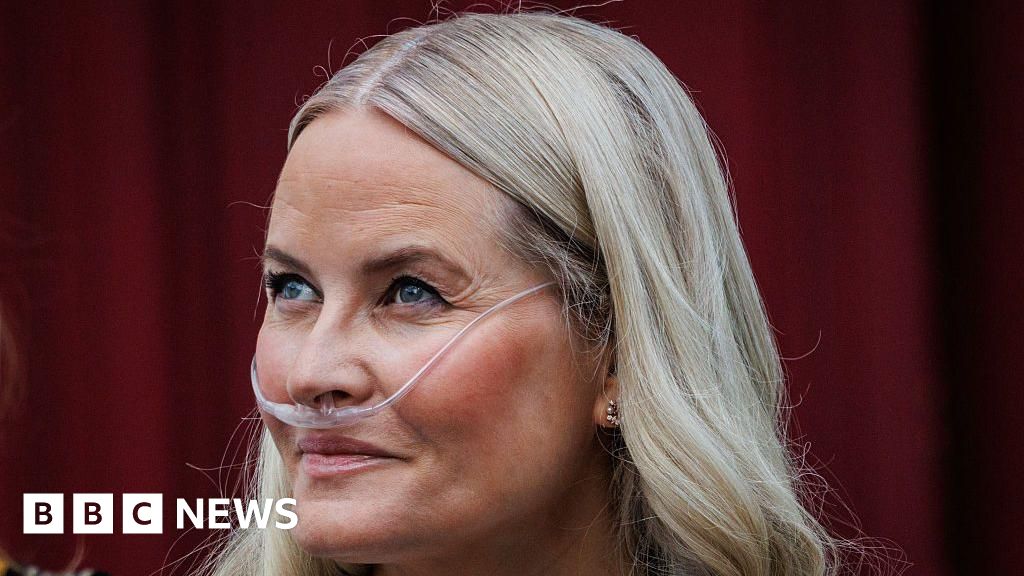
Norway's crown princess undergoes successful lung transplant, palace says
Norway's Crown Princess Mette-Marit has undergone a successful lung transplant in Oslo, the country's royal household has said. Mette-Marit, 52, was diagnosed with a form of pulmonary fibrosis in 20…
BBC World News — 17 June 2026
Text:
15
0
0
Norway's Crown Princess Mette-Marit has undergone a successful lung transplant in Oslo, the country's royal household has said. Mette-Marit, 52, was
Read Full Story at BBC World News →
⚡ Quickyla Analysis
Original editorial context — not sourced from the article above
Norway’s announcement that Crown Princess Mette-Marit has undergone a successful lung transplant underscores the quiet but profound evolution of modern monarchy. While royal health disclosures are rare, the timing—amid rising public scrutiny of hereditary institutions—raises questions about transparency and the personal sacrifices of those in the public eye. Mette-Marit’s case is particularly notable not just for its medical stakes but for what it reveals about the intersection of privilege, duty, and vulnerability. Pulmonary fibrosis, a progressive and often fatal lung disease, typically afflicts older adults, making her diagnosis at 52 both atypical and severe. The fact that she received a transplant in Norway, where organ donation rates are among the world’s highest, reflects the country’s advanced healthcare system—but also the moral and practical complexities of relying on altruistic donation in a system where demand often outstrips supply.
Beyond the medical milestone, the crown princess’s situation highlights the unique pressures faced by royal figures who must balance personal health with public expectations. Unlike elected leaders, monarchs and their heirs often operate in a realm where illness is politicized, where every medical update can be scrutinized for its implications on stability and continuity. Norway’s monarchy, though largely ceremonial, still carries symbolic weight in a nation that prides itself on egalitarian values. The royal household’s disclosure suggests a deliberate effort to normalize discussions around illness, challenging the historical silence that often surrounds royal health crises.
Looking ahead, the priority will be Mette-Marit’s recovery and the long-term implications for her role. Will her return to public duties be gradual, or will the monarchy adjust its expectations? The case also invites broader reflection on organ donation in Norway, where cultural attitudes favor donation but where debates persist about equitable access and the ethical dilemmas of prioritizing patients. As her story unfolds, it may serve as a quiet catalyst for conversations about healthcare equity, royal transparency, and the human cost of public service—lessons that resonate far beyond Scandinavia’s fjords.
Sources

🌍 World News
Man fleeing police attacked by alligator before continuing his getaway, Louisiana authorities say
🌍 World News
US crude exports hit record high in May as Iran war tightens global oil supplies

🌍 World News
Agitators outside Delaney Hall set up organized logistics operation before Newark protests began

🌍 World News
French doctors sound alarm over drinking water pollution

🌍 World News
Iran, Kuwait, Bahrain hit: Is the war in the Gulf escalating again?

🌍 World News
Four people trapped in flooded cave in Laos pulled to safety

