Microsoft trains OpenAI models on NYT articles
The New York Times accused Microsoft of using its copyrighted articles without permission to train OpenAI’s models via Microsoft’s Azure AI supercomputer. The dispute highlights growing legal and fina
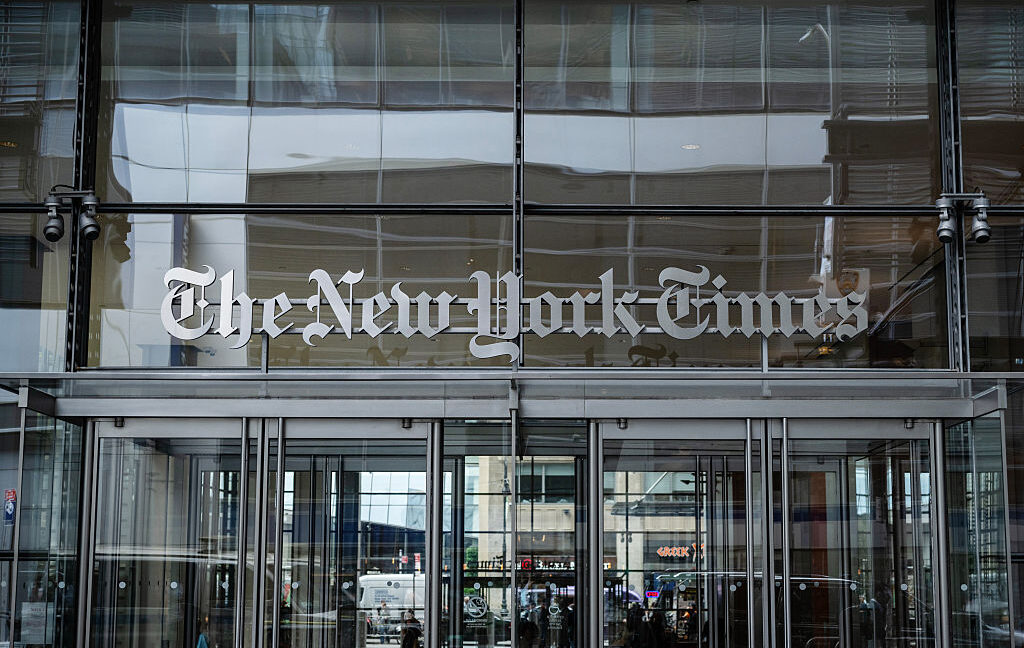
The New York Times has accused Microsoft of building a supercomputer for OpenAI that may have used copyrighted news articles without permission. The c
Read Full Story at Ars Technica →Why This Matters
The dispute between The New York Times and Microsoft underscores a pivotal moment in the AI industry, where the unchecked use of proprietary content for training models collides with intellectual property rights. Beyond the immediate legal clash, this case could redefine how technology giants balance innovation with ethical and legal obligations, setting a precedent for future AI development.
Background Context
Microsoft’s Azure AI supercomputer, a cornerstone of its partnership with OpenAI, relies on vast datasets to train cutting-edge models—a process that often skirts traditional content licensing agreements. While the tech industry has long operated under the assumption that publicly available data is fair game, the NYT’s lawsuit challenges this norm, drawing parallels to earlier battles over digital content distribution in the early 2000s.
What Happens Next
If the NYT prevails, AI developers may face heightened scrutiny over data sourcing, potentially leading to stricter licensing frameworks or even a slowdown in model training. Alternatively, a settlement could introduce industry-wide guidelines, though the lack of transparency in precedent-setting cases risks leaving gaps for continued legal ambiguity.
Bigger Picture
This conflict is part of a broader reckoning as AI systems increasingly encroach on protected works, from music to journalism. As regulators and courts grapple with these issues, the outcome may determine whether AI innovation thrives in a legally gray zone—or whether the industry must adopt more rigid, collaborative approaches to content use.