💰 Business
Live
Oil prices slide after Pakistan announces deal between US and Iran
Oil prices fell in early trade in Asia after Pakistan, which has been mediating an end to the US-Iran war, announced a deal that President Donald Trump said would see the reopening of the key Strait …
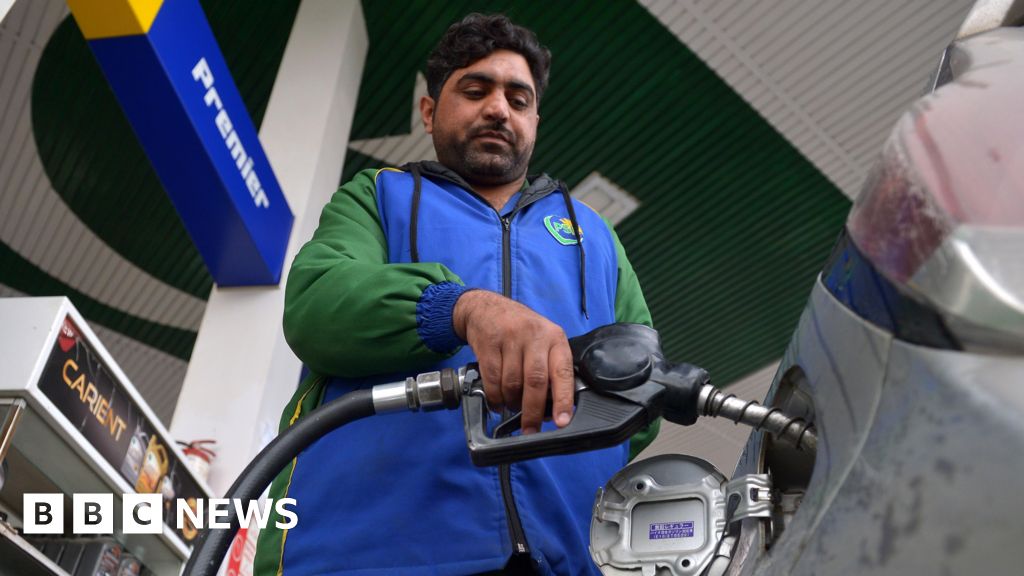
BBC Business — 14 June 2026
Text:
36
0
0
Oil prices fell in early trade in Asia after Pakistan, which has been mediating an end to the US-Iran war, announced a deal that President Donald Trum
Read Full Story at BBC Business →
⚡ Quickyla Analysis
Original editorial context — not sourced from the article above
The announcement of a US-Iran deal brokered by Pakistan—potentially reopening the Strait of Hormuz—reverberates far beyond the energy markets. Oil prices slid in early Asian trade not merely because of a theoretical easing of tensions, but because the deal implies a fundamental shift in Middle East geopolitics. The Strait of Hormuz, through which a fifth of the world’s oil passes, has long been a flashpoint; any accord that stabilizes its flows could ease supply anxieties that have shaped energy policy for decades. Yet the news also carries symbolic weight. It suggests the Trump administration, often criticized for its confrontational stance toward Iran, may be pursuing a pragmatic detente—one that could reshape alliances across the region. If sustained, such a deal might encourage other Gulf states to hedge their bets, reducing reliance on Washington’s military umbrella.
The context behind this deal is rarely discussed outside specialist circles. Pakistan’s role as an intermediary is unusual; its intelligence services have historically leaned toward Islamabad’s traditional ally, Saudi Arabia, while also maintaining discreet channels with Tehran. This dual engagement reflects a broader regional reality: countries like Pakistan, Turkey, and even some Gulf states are quietly recalibrating their foreign policies amid shifting US priorities. Meanwhile, Iran’s willingness to negotiate—despite years of economic pressure—hints at internal economic strain and a potential desire to redirect resources toward domestic challenges. The stakes are high: a revived nuclear deal fragment could either de-escalate tensions or, if perceived as capitulation, provoke backlash from hardliners on all sides.
What happens next remains uncertain. Will the deal hold, or collapse under the weight of domestic opposition in Washington, Tehran, or Riyadh? The open question is whether this is a tactical pause or the beginning of a new regional order. If the Strait reopens without incident, oil markets may stabilize, but the political tremors could be felt for years. The broader trend here is the unraveling of old certainties: as traditional alliances fray, smaller states are taking on unexpected roles, and energy security is once again becoming a chessboard for diplomacy rather than just a market variable.
Sources

💰 Business
How 'confused' AI rollout hurts firms and baffles staff

💰 Business
OpenAI let ChatGPT aid and abet mass shooters, Florida lawsuit claims

💰 Business
AI giant Anthropic announces plans to list on US stock market

💰 Business
Caribbean hot sauce producers warn of shortages and higher prices

💰 Business
Bill debt soars but many don't know help is available
💰 Business
Japan raises interest rate to highest since 1995

