Our brains underestimate Elon Musk’s wealth
Our brains underestimate Elon Musk’s wealth Why the human brain can't fathom what it means to be a trillionaire By Manon Bischoff edited by Jeanna Bryner This year will go down in history as the y…
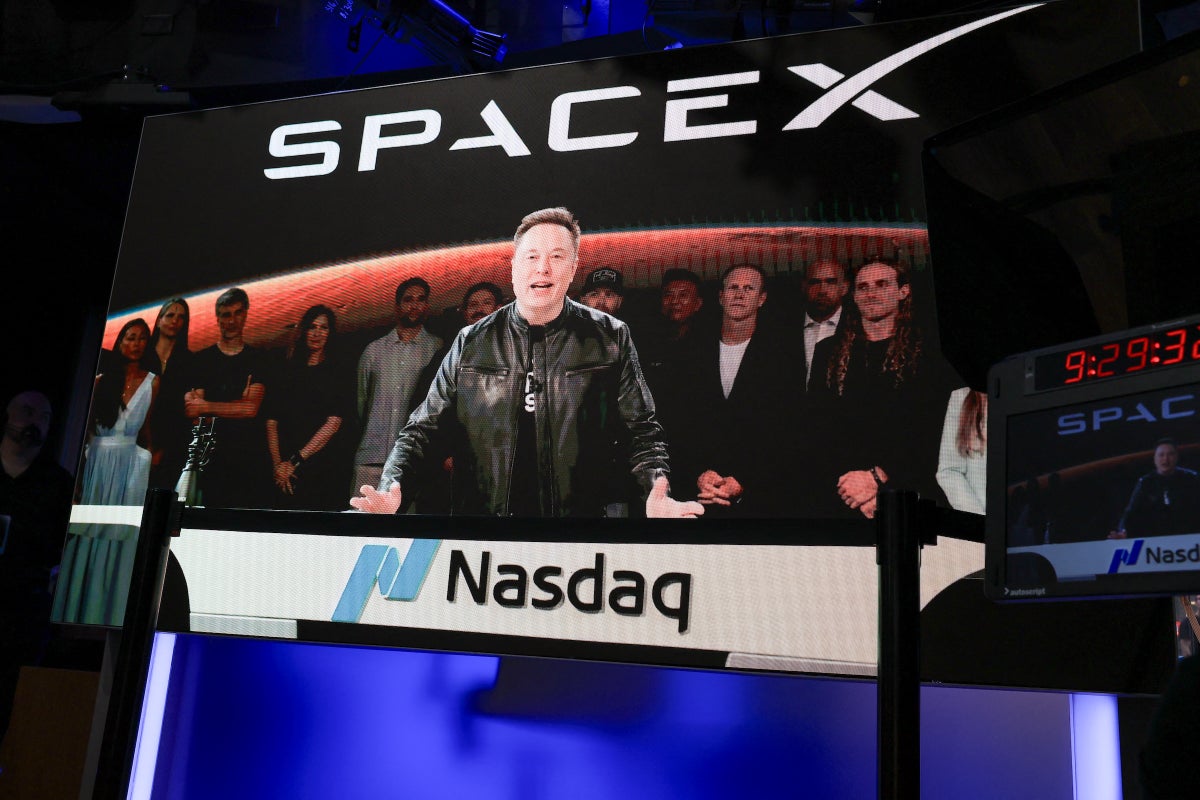
Scientific American — 17 June 2026
Text:
17
0
0
Why the human brain can't fathom what it means to be a trillionaire This year will go down in history as the year a person became a trillionaire for
Read Full Story at Scientific American →
⚡ Quickyla Analysis
Original editorial context — not sourced from the article above
The human brain struggles to grasp the sheer scale of Elon Musk’s net worth not just because of its astronomical figures but because our cognitive tools evolved to navigate a pre-industrial world. We instinctively understand small numbers and tangible assets like land or livestock, but when wealth balloons into the hundreds of billions, our intuition fails us. The psychological phenomenon here isn’t unique to Musk—it’s a universal limitation in comprehending exponential growth. Studies in behavioral economics show that people consistently underestimate the long-term impact of compounding, whether in finance, technology, or even population growth. Musk’s fortune, now hovering around $300 billion, isn’t just a personal milestone; it’s a stress test for how societies adapt to a new economic reality where individual wealth can dwarf entire national GDPs.
What makes this particularly fraught is the disconnect between perception and reality. The average person’s experience with wealth is linear—salaries, savings, home values—but Musk’s net worth fluctuates with stock prices, creating a feedback loop where his fortune isn’t just large, it’s volatile in a way that defies conventional understanding. This cognitive gap has real-world consequences. It fuels public skepticism about inequality, amplifies debates over taxation, and even influences geopolitical power dynamics. When one person’s wealth exceeds the annual economic output of some countries, it raises questions about the concentration of capital in the 21st century.
Looking ahead, the challenge isn’t just understanding Musk’s wealth but reckoning with what it signals for the future. As automation and AI reshape industries, fortunes could concentrate even faster, straining social contracts and democratic norms. Will we develop new cognitive frameworks to process such scales, or will we continue to rely on imperfect metaphors—like comparing his wealth to piles of cash or gold reserves—that only obscure the truth? The next phase of this story may hinge on whether society can bridge the gap between human intuition and the realities of a hyper-connected, hyper-wealthy world.
Sources

🔬 Science
'Astonishing': James Webb telescope spots the most chemically primitive galaxy in the ancient universe

🔬 Science
El Niño Is Underway

🔬 Science
Astronomers gaze into the 'Crystal Ball Nebula' and see a vision of our dying sun — Space photo of the week

🔬 Science
Bacteria uncover distinct strategy to import rare sugar polymers, crystal structures show

🔬 Science
NASA Awards Contract for Johnson Space Center Infrastructure

🔬 Science
Repairing DNA damage: Scientists discover a surprising new benefit of melatonin

