Ozempic and similar weight-loss drugs linked to 30% lower breast cancer risk
A large study found that women taking GLP-1 drugs, the medication class behind Ozempic, Wegovy, Mounjaro, and Zepbound, were about 30% less likely to develop breast cancer. Researchers say the findin…
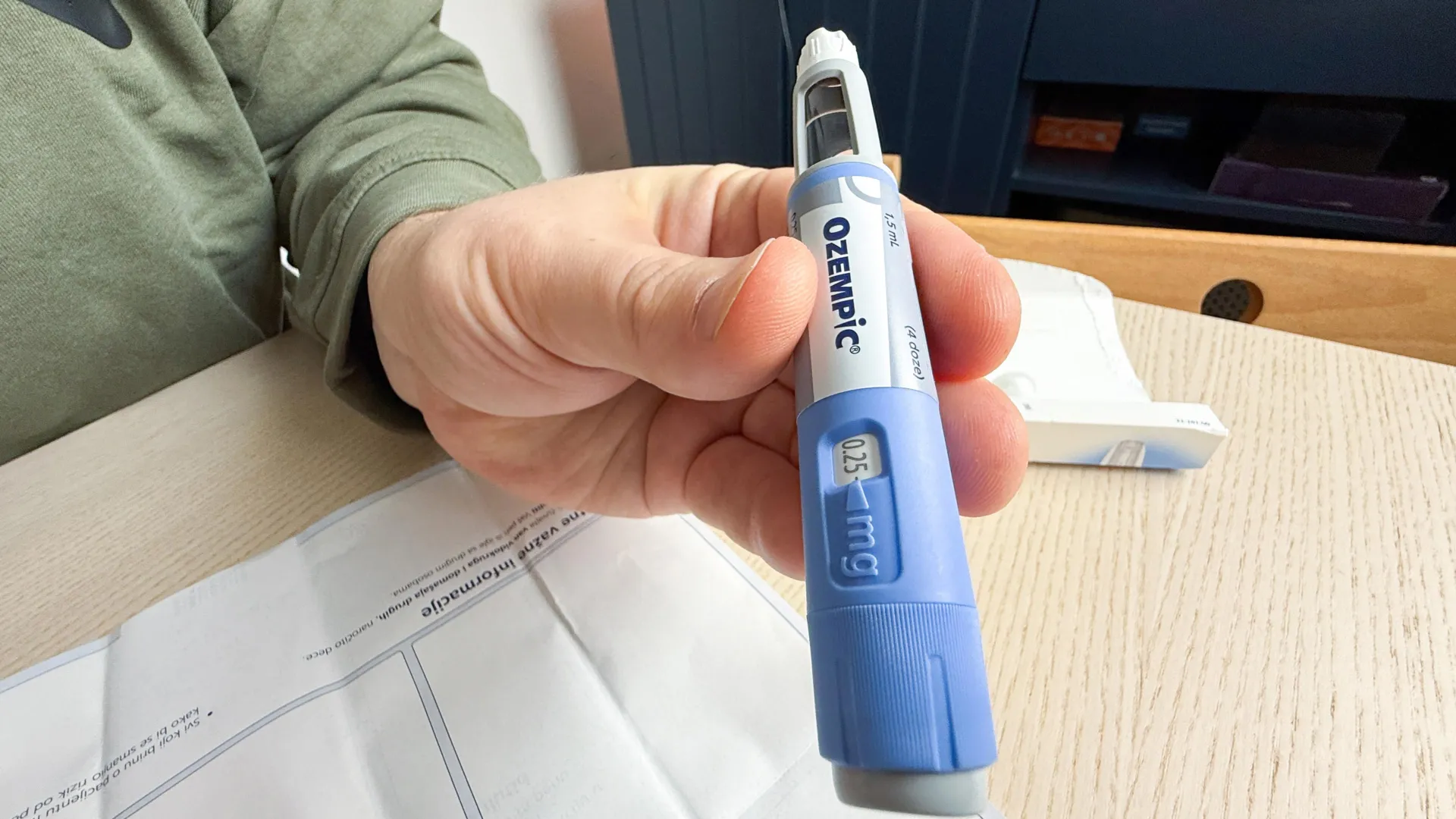
A large study found that women taking GLP-1 drugs, the medication class behind Ozempic, Wegovy, Mounjaro, and Zepbound, were about 30% less likely to
Read Full Story at ScienceDaily →Why This Matters
The revelation that GLP-1 drugs like Ozempic may reduce breast cancer risk by 30% is a paradigm shift in chronic disease prevention, offering a potential lifeline to millions in an era where obesity-related cancers are rising. Beyond weight loss, these drugs could reshape public health strategies for cancer prevention, particularly as metabolic health increasingly intersects with oncology.
Background Context
GLP-1 receptor agonists were initially developed for type 2 diabetes before gaining fame as blockbuster weight-loss treatments, with the global market projected to hit $100 billion by 2030. Breast cancer remains the most diagnosed cancer worldwide, with obesity as a well-documented risk factor—yet clinical trials for these drugs rarely included cancer outcomes until recently.
What Happens Next
Pharmaceutical companies will likely aggressively pursue studies to validate these findings, potentially expanding label claims beyond diabetes and obesity. Regulators may face pressure to fast-track approvals for cancer risk reduction, while insurers could reassess coverage policies if these drugs gain dual-purpose designation.
Bigger Picture
This study underscores the accelerating convergence of metabolic and oncologic medicine, where drugs once siloed in diabetes or weight management are now being scrutinized for broader therapeutic potential. It also highlights the urgent need for long-term data on GLP-1 drugs, as their widespread adoption outpaces understanding of potential secondary benefits—or risks.







